Bread VS Meat
A detailed nutritional comparison
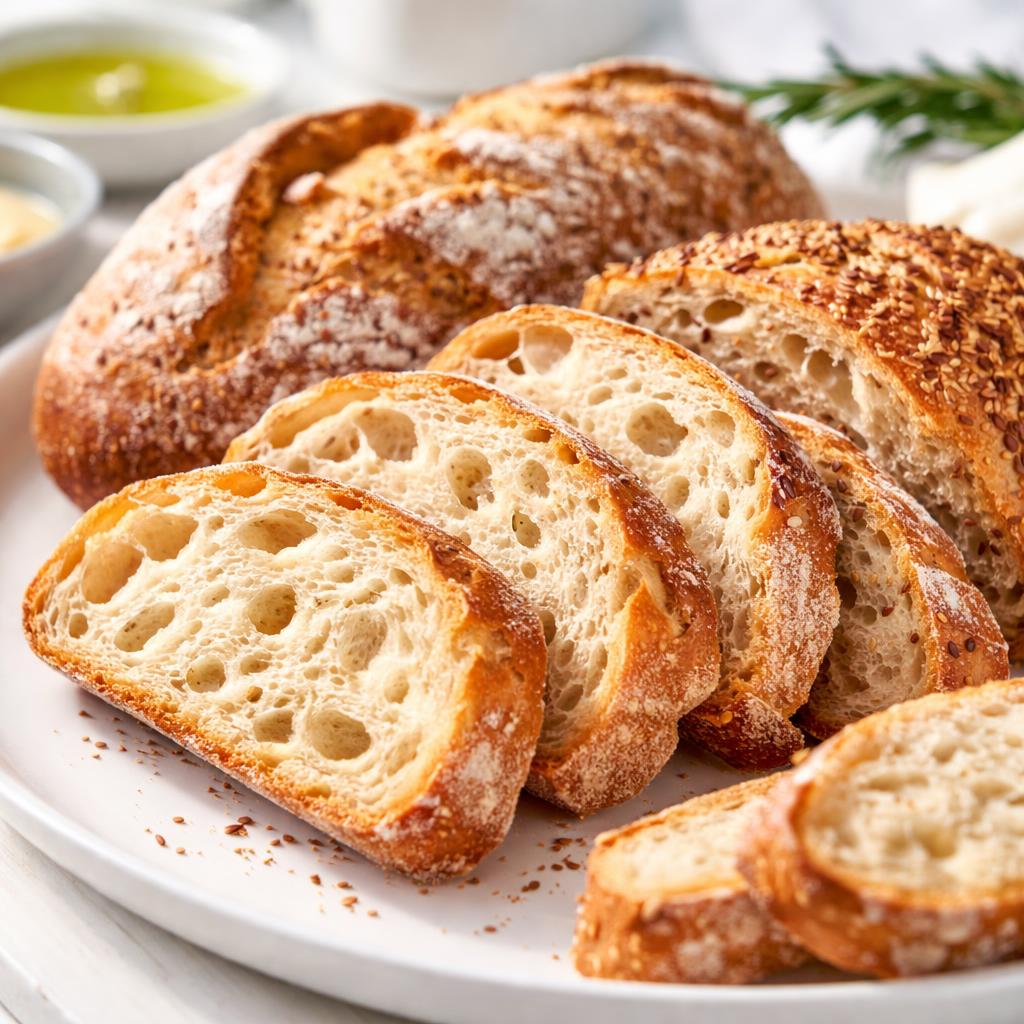
Bread
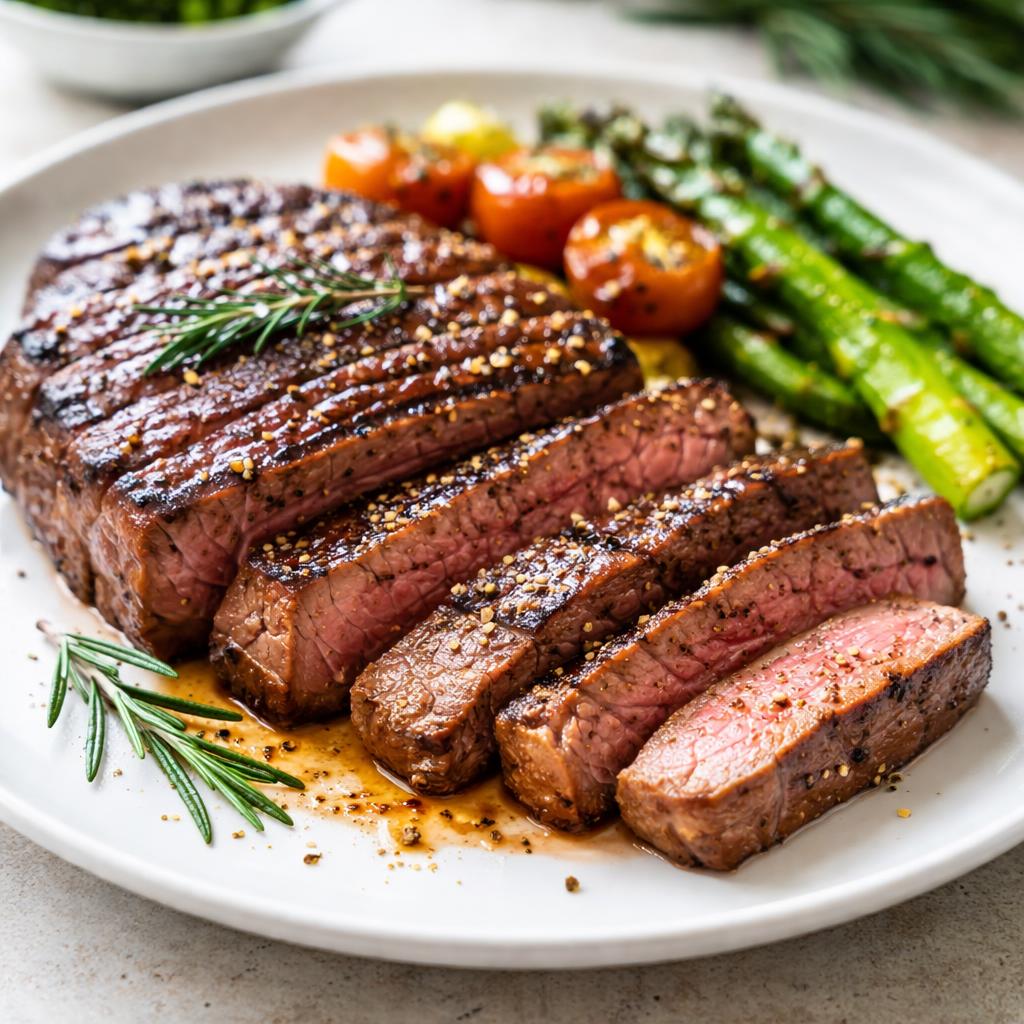
Meat
🎯 Quick Verdict
Bread and meat serve vastly different dietary roles. Bread is a carbohydrate-rich food, offering fiber and moderate energy, while meat is protein-dense and ideal for supporting muscle growth and repair. Meat is lower in calories and provides essential amino acids, while bread is better for sustained energy and digestion due to its fiber content.

Smart Nutrition Tracking with SnapCalorie

📊 Nutritional Comparison
Macronutrients
| Nutrient | Food 1 | Food 2 | Winner |
|---|---|---|---|
| Calories | 80kcal (per slice, ~30g) | 160kcal (per 100g lean chicken) | − |
| Protein | 3g | 30g | − |
| Carbs | 15g | 0g | − |
| Fat | 1g | 3g | − |
| Fiber | 2g | 0g | − |
Vitamins & Minerals
| Nutrient | Food 1 | Food 2 | Winner |
|---|---|---|---|
| Vitamin D | 0mcg | 1mcg | − |
| Calcium | 25mg | 10mg | − |
| Iron | 1mg | 1.3mg | − |
🏆 Category Winners
Protein
Meat has 10 times more protein than bread per serving.
Fiber
Bread contains fiber, which is absent in meat.
Calories
Bread contains 50% fewer calories per serving than meat.
Vitamins
Meat provides vitamin D and slightly more iron, which bread lacks or has in lower quantities.
🥗 Diet Compatibility
Keto
Food 1: Not Compatible
Food 2: Compatible
Bread is high in carbs, making it unsuitable for keto diets, while meat is carb-free.
Vegan
Food 1: Compatible
Food 2: Not Compatible
Bread is plant-based, whereas meat is animal-derived.
Gluten Free
Food 1: Not Compatible
Food 2: Compatible
Most bread contains gluten, while meat is naturally gluten-free.
Paleo
Food 1: Not Compatible
Food 2: Compatible
Bread is processed and contains grains, disqualifying it from paleo diets, while meat suits paleo criteria.
Low Carb
Food 1: Not Compatible
Food 2: Compatible
Bread is high in carbohydrates, whereas meat has zero carbs.
💪 Health Benefits Comparison
Food 1 Benefits
- Good source of energy from carbohydrates
- Provides dietary fiber for digestion and gut health
- Contains moderate amounts of iron and minerals
Food 2 Benefits
- Excellent source of protein for muscle building
- Contains vitamin D to support bone health
- Rich in iron for oxygen transportation and energy
✅ The Bottom Line
Meat significantly outperforms bread in protein and vitamin content, making it ideal for those focused on muscle growth, overall nutrition, or low-carb diets. Bread is better suited for energy and fiber, making it a staple in diets focused on sustained energy or vegetarian/vegan preferences.
Choose Food 1 for: Sustained energy, vegan diets, digestion support
Choose Food 2 for: High-protein diets, low-carb and keto lifestyles, muscle building


