Bread VS Macaroni
A detailed nutritional comparison
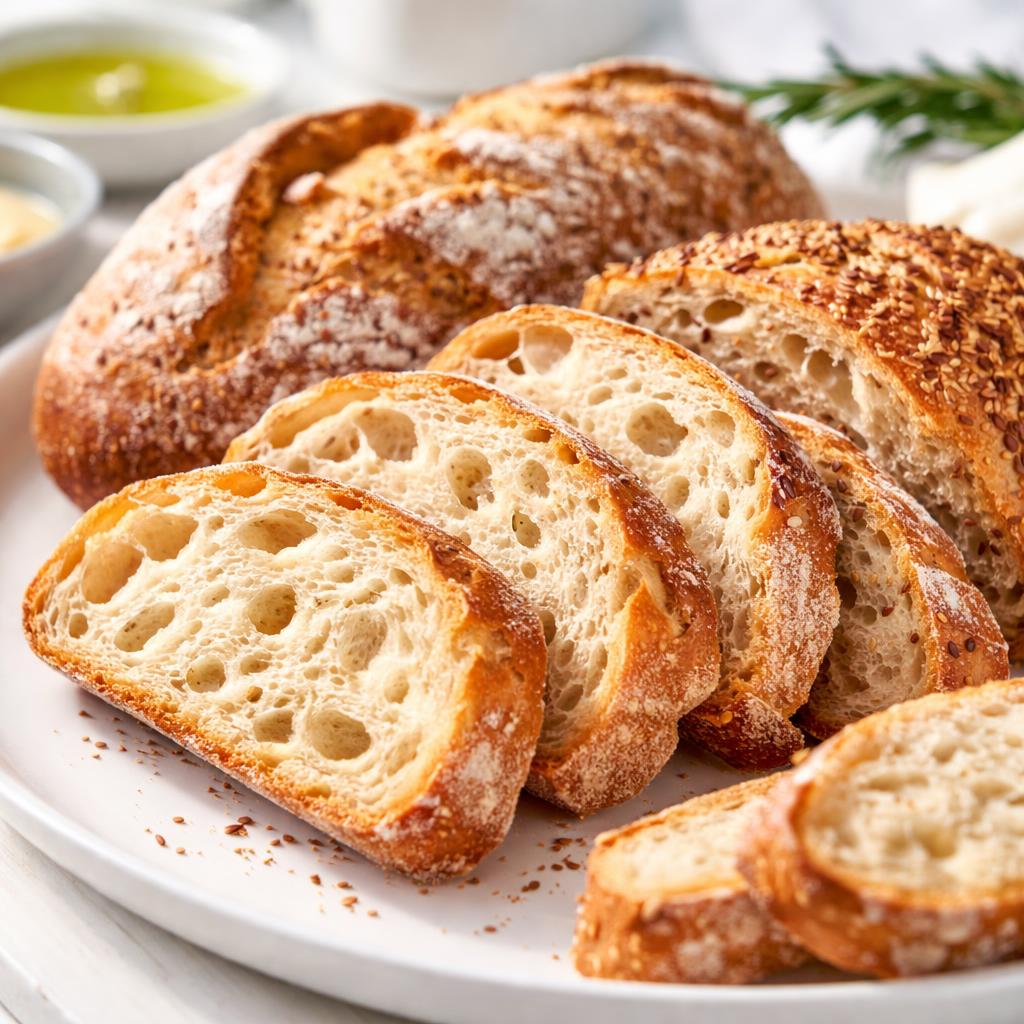
Bread
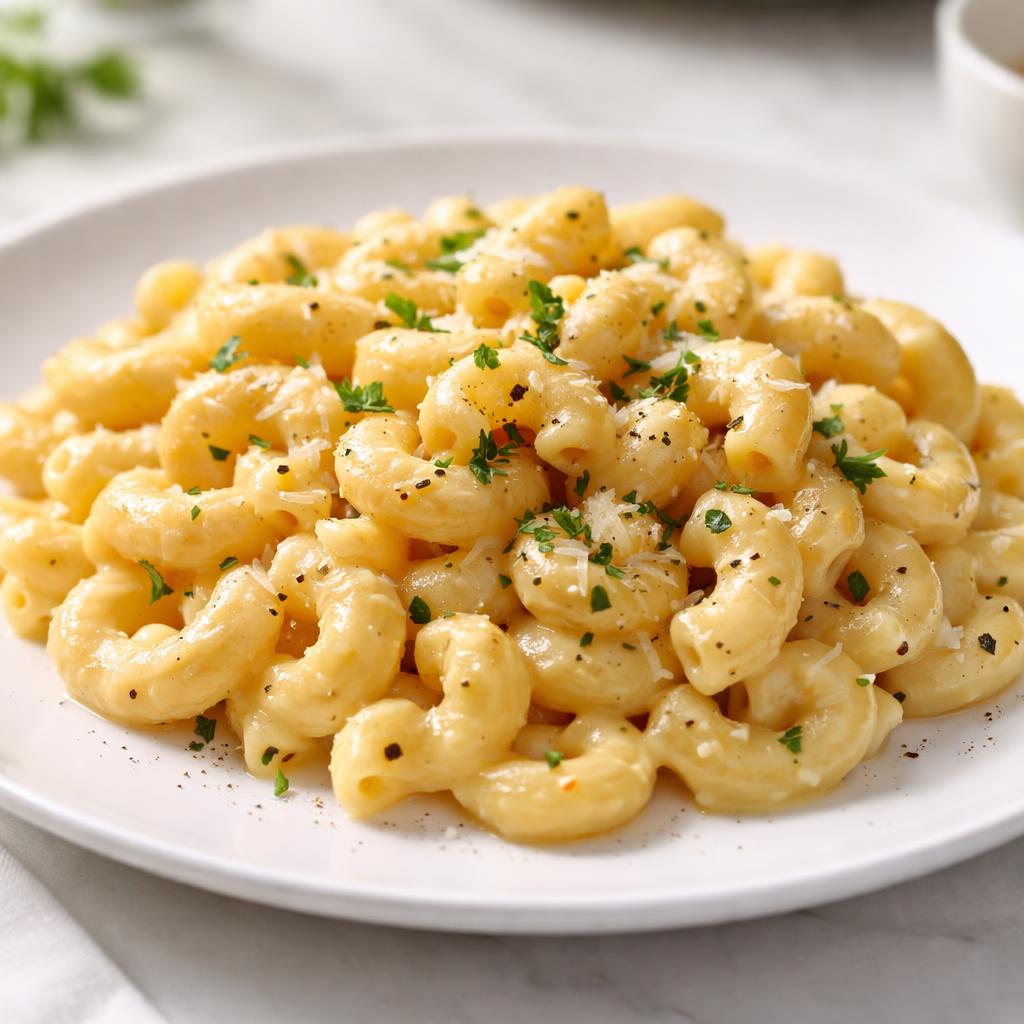
Macaroni
🎯 Quick Verdict
Bread contains slightly more protein, fiber, and fewer calories compared to macaroni, making it a better option for weight management. Macaroni provides higher carbohydrates and minerals like iron and magnesium, suitable for energy-intensive activities and nutrient density needs. Both can fit into various diets depending on preparation methods and portion sizes.

Smart Nutrition Tracking with SnapCalorie

📊 Nutritional Comparison
Macronutrients
| Nutrient | Food 1 | Food 2 | Winner |
|---|---|---|---|
| Calories | 266 | 371 | ✓ |
| Protein | 9g | 7.5g | ✓ |
| Carbs | 49g | 74g | ✓ |
| Fat | 4.1g | 1.4g | ✓ |
| Fiber | 2.4g | 1.3g | ✓ |
Vitamins & Minerals
| Nutrient | Food 1 | Food 2 | Winner |
|---|---|---|---|
| Vitamin B1 (Thiamine) | 0.2mg | 0.4mg | ✓ |
| Iron | 1mg | 1.5mg | ✓ |
| Magnesium | 25mg | 43mg | ✓ |
🏆 Category Winners
Protein
Food1 (bread) has more protein per serving than macaroni, helpful for muscle health.
Fiber
Bread has nearly double the fiber, beneficial for digestion.
Calories
Bread has notably fewer calories, supporting calorie-conscious diets.
Vitamins
Macaroni has more beneficial vitamins and minerals such as iron and magnesium.
🥗 Diet Compatibility
Keto
Food 1: Not Compatible
Food 2: Not Compatible
Both are high-carb at ~49-74g per serving.
Vegan
Food 1: Compatible
Food 2: Compatible
Both foods are plant-based in their basic form.
Gluten Free
Food 1: Not Compatible
Food 2: Not Compatible
Both traditionally contain gluten unless made with gluten-free flour.
Paleo
Food 1: Not Compatible
Food 2: Not Compatible
Neither fits paleo guidelines due to being grain-based.
Low-Carb
Food 1: Not Compatible
Food 2: Not Compatible
Both are too high in carbohydrates for low-carb diets.
💪 Health Benefits Comparison
Food 1 Benefits
- Provides moderate protein for muscle repair
- Contains dietary fiber to aid digestion
- Lower calorie option for balanced diets
Food 2 Benefits
- Rich in carbohydrates for energy supply
- Higher iron content, important for oxygen transport in blood
- Contains magnesium, supporting nerve function and bone health
✅ The Bottom Line
Choose bread for weight management, moderate protein needs, and digestive health. Opt for macaroni when you need higher energy and nutrient density, especially for active lifestyles or post-exercise recovery.
Choose Food 1 for: Weight loss, balanced diets, snack or light meals
Choose Food 2 for: Energy boosts, nutrient-rich meals, athletic recovery


