Bread VS Kebab
A detailed nutritional comparison
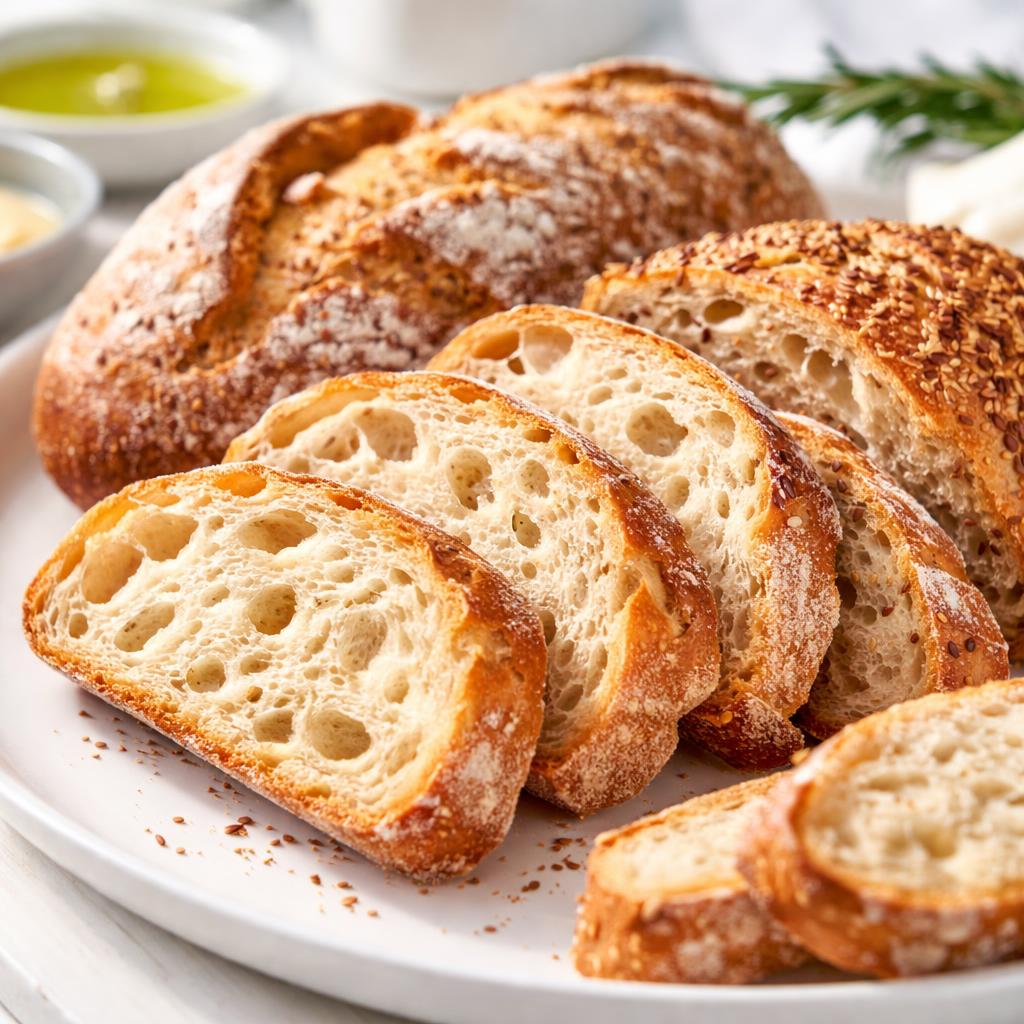
Bread
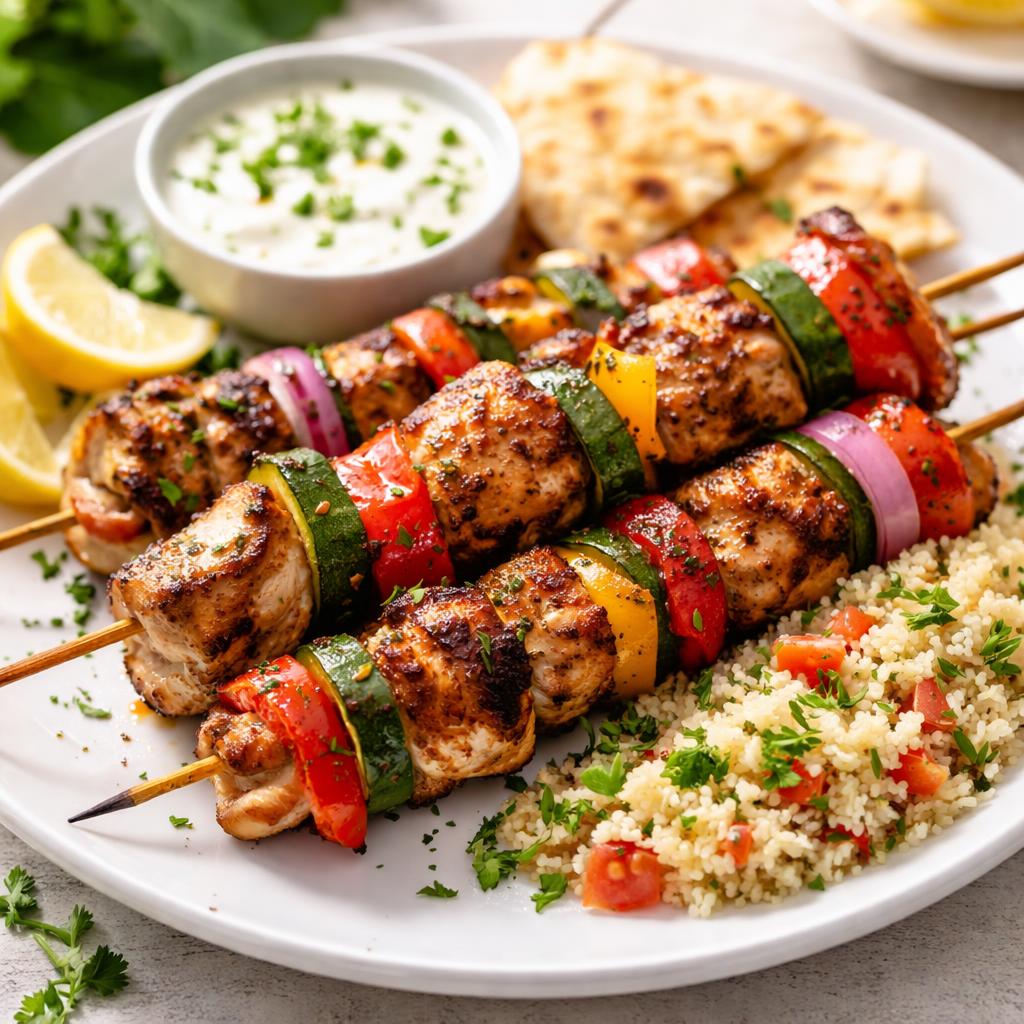
Kebab
🎯 Quick Verdict
Bread and kebab have vastly different nutritional profiles. Bread is lower in calories and higher in fiber, making it suitable for quick energy and digestion support. Kebab, being rich in protein and healthy fats, is a better option for muscle growth and sustained satiety. Choose bread for lighter meals and kebab for nutrient-dense options.

Smart Nutrition Tracking with SnapCalorie

📊 Nutritional Comparison
Macronutrients
| Nutrient | Food 1 | Food 2 | Winner |
|---|---|---|---|
| Calories | 80kcal (per slice) | 250kcal (per serving) | ✓ |
| Protein | 3g | 25g | ✓ |
| Carbs | 15g | 5g | ✓ |
| Fat | 1g | 15g | ✓ |
| Fiber | 1.5g | 0g | ✓ |
Vitamins & Minerals
| Nutrient | Food 1 | Food 2 | Winner |
|---|---|---|---|
| Vitamin D | 0mcg | 0.5mcg | ✓ |
| Calcium | 120mg | 20mg | ✓ |
| Iron | 0.75mg | 3mg | ✓ |
🏆 Category Winners
Protein
Kebab contains 733% more protein per serving than bread, ideal for protein-rich diets.
Fiber
Bread offers dietary fiber (1.5g per slice), which is absent in kebab.
Calories
Bread is significantly lower in calories, making it a better option for low-calorie diets.
🥗 Diet Compatibility
Keto
Food 1: Not Compatible
Food 2: Compatible
Kebab is low-carb, while bread is primarily carb-based.
Vegan
Food 1: Compatible
Food 2: Not Compatible
Bread is plant-based, whereas kebab is meat-based.
Gluten Free
Food 1: Not Compatible
Food 2: Compatible
Bread typically contains gluten, while kebab is naturally gluten-free.
Paleo
Food 1: Not Compatible
Food 2: Compatible
Kebab adheres to whole-food principles, unlike grain-based bread.
Low Carb
Food 1: Not Compatible
Food 2: Compatible
Bread is high in carbohydrates, whereas kebab is low-carb (5g per serving).
💪 Health Benefits Comparison
Food 1 Benefits
- Good source of energy from complex carbohydrates.
- Contains dietary fiber to aid digestion.
- Provides moderate calcium for bone health.
Food 2 Benefits
- Rich in protein to support muscle growth and repair.
- Provides healthy fats for long-lasting satiety.
- Contains iron for improved oxygen delivery in the blood.
✅ The Bottom Line
Bread is a good option for quick energy and a light meal, while kebab offers protein and healthy fats for muscle recovery and satiety. Choose bread for low-calorie diets and vegan meals, and kebab for protein and nutrient density.
Choose Food 1 for: Quick energy, fiber-rich diets, plant-based meals
Choose Food 2 for: Muscle repair, weight management with high-protein intake, nutrient-dense meals


