Bread VS Integral Bread
A detailed nutritional comparison

Bread
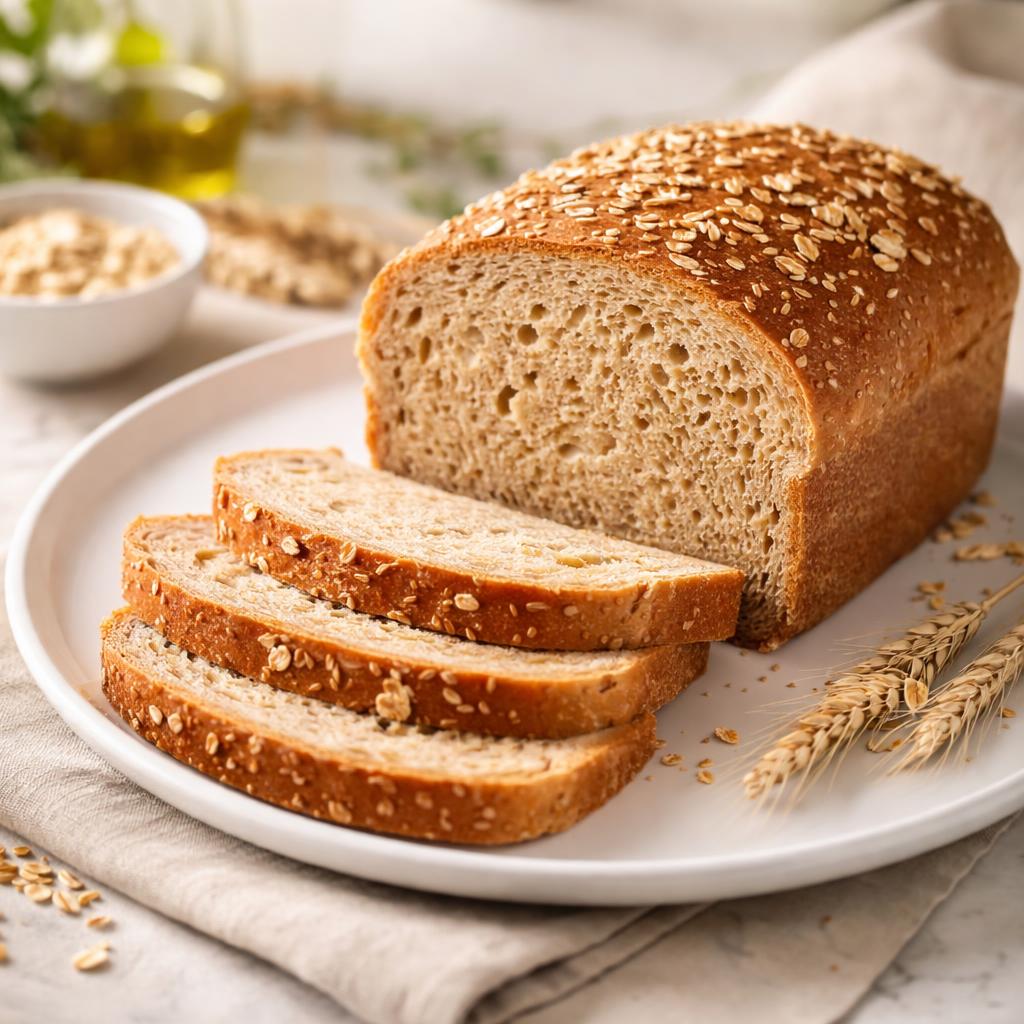
Integral Bread
🎯 Quick Verdict
Integral bread generally offers a healthier profile due to its higher fiber content (3.5g per slice vs 1g in regular bread), making it better for digestion. Both types of bread are similar in calories (around 75 per slice) and protein (2.5g per slice). Integral bread is ideal for a nutrient-dense diet, while regular bread may suit those with milder digestive needs.

Smart Nutrition Tracking with SnapCalorie

📊 Nutritional Comparison
Macronutrients
| Nutrient | Food 1 | Food 2 | Winner |
|---|---|---|---|
| Calories | 75 per slice | 75 per slice | − |
| Protein | 2.5g per slice | 2.5g per slice | − |
| Carbs | 13g per slice | 14g per slice | ✓ |
| Fat | 0.8g per slice | 1g per slice | − |
| Fiber | 1g per slice | 3.5g per slice | − |
Vitamins & Minerals
| Nutrient | Food 1 | Food 2 | Winner |
|---|---|---|---|
| Vitamin B1 (Thiamine) | 0.1mg | 0.15mg | − |
| Vitamin B2 (Riboflavin) | 0.05mg | 0.08mg | − |
| Iron | 1mg | 1.2mg | − |
🏆 Category Winners
Protein
Both types of bread have a similar protein content (2.5g per slice).
Fiber
Integral bread has 3.5g fiber per slice vs 1g in regular bread, benefiting digestion and satiety.
Calories
Both breads have the same calorie count at 75 calories per slice.
🥗 Diet Compatibility
Keto
Food 1: Not Compatible
Food 2: Not Compatible
Both are high-carb foods.
Vegan
Food 1: Compatible
Food 2: Compatible
Most bread recipes are plant-based.
Gluten Free
Food 1: Not Compatible
Food 2: Not Compatible
Regular and integral breads contain gluten.
Paleo
Food 1: Not Compatible
Food 2: Not Compatible
Bread is not part of the paleo diet.
Low Carb
Food 1: Not Compatible
Food 2: Not Compatible
Both types of bread are relatively high in carbohydrates.
💪 Health Benefits Comparison
Food 1 Benefits
- Quick source of energy due to carbohydrates
- Provides baseline vitamin B content
- Easy to digest for simpler dietary needs
Food 2 Benefits
- Higher in fiber, supporting digestion and gut health
- Lowers the glycemic index compared to regular bread
- Slightly richer in micronutrients like B vitamins and iron
✅ The Bottom Line
Choose integral bread if prioritizing higher fiber, nutrient density, and satiety, as it is more beneficial for digestion and long-term health. Regular bread may be better for individuals with milder dietary restrictions or requirements for quick, simple energy.
Choose Food 1 for: Quick energy, lighter digestion, general use
Choose Food 2 for: Digestive health, nutrient density, satiety


