Bread VS Hash Brown
A detailed nutritional comparison
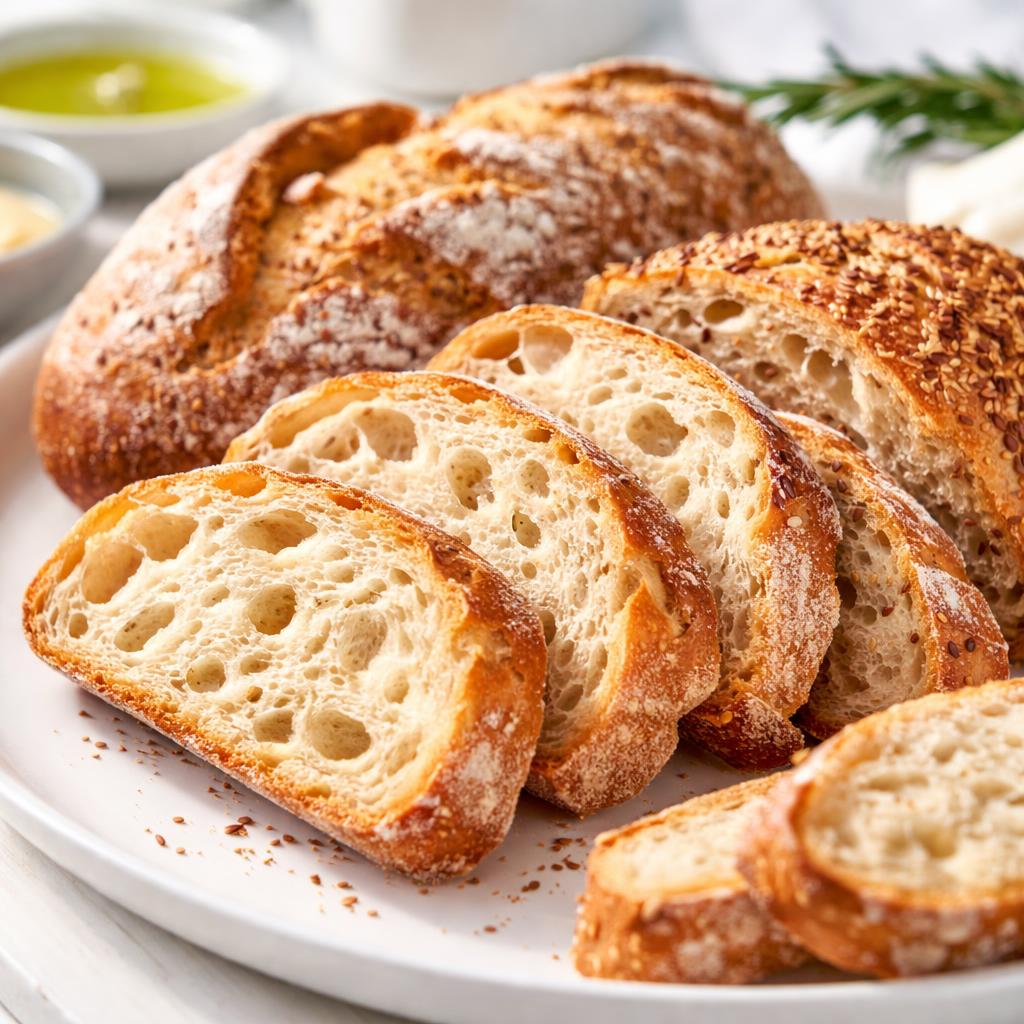
Bread

Hash Brown
🎯 Quick Verdict
Bread is a lower-calorie, higher-protein, and higher-fiber option compared to hash browns, making it better for weight management diets. Hash browns are richer in fat and energy, making them ideal for fueling activity and providing sustained energy. Bread is more versatile in meals, while hash browns are often used as a side dish or breakfast item.

Smart Nutrition Tracking with SnapCalorie

📊 Nutritional Comparison
Macronutrients
| Nutrient | Food 1 | Food 2 | Winner |
|---|---|---|---|
| Calories | 80 (per slice) | 120 (per patty) | ✓ |
| Protein | 3g | 1g | ✓ |
| Carbs | 15g | 18g | ✓ |
| Fat | 1g | 8g | ✓ |
| Fiber | 1g | 0.5g | ✓ |
Vitamins & Minerals
| Nutrient | Food 1 | Food 2 | Winner |
|---|---|---|---|
| Vitamin D | 0mcg | 0mcg | − |
| Calcium | 30mg | 5mg | ✓ |
| Iron | 0.8mg | 0.2mg | ✓ |
🏆 Category Winners
Protein
Bread contains 3g of protein per slice compared to 1g in hash browns.
Fiber
Bread has 1g of fiber per serving versus 0.5g in hash browns.
Calories
Bread has 80 calories per slice, whereas hash browns provide 120 per patty.
Vitamins
Bread has more calcium and iron, important for bone health and oxygen transport.
🥗 Diet Compatibility
Keto
Food 1: Not Compatible
Food 2: Not Compatible
Both are carbohydrate-rich foods.
Vegan
Food 1: Compatible
Food 2: Compatible
Both are typically plant-based if prepared without animal products.
Gluten Free
Food 1: Not Compatible
Food 2: Compatible if made with gluten-free ingredients
Bread often contains gluten unless specified as gluten-free, whereas hash browns do not naturally contain gluten.
Paleo
Food 1: Not Compatible
Food 2: Not Compatible
Both are processed foods and contain ingredients not allowed in paleo diets.
Low-Carb
Food 1: Not Compatible
Food 2: Not Compatible
Both are high in carbohydrates.
💪 Health Benefits Comparison
Food 1 Benefits
- Lower calorie option for weight control
- Source of protein for muscle maintenance
- Contains fiber for digestive health
- Provides essential minerals like calcium for bone strength
Food 2 Benefits
- Energy-dense, great for active lifestyles
- Contains fats that provide sustained energy
- Can be a source of some micronutrients depending on preparation
- Versatile as a comfort food or breakfast addition
✅ The Bottom Line
Choose bread for lower calorie, higher protein, and fiber-rich meals focused on weight management and overall nutrition. Opt for hash browns when you need a higher-energy side dish, such as for breakfast or a physically active lifestyle.
Choose Food 1 for: Weight loss, light meals, sandwiches
Choose Food 2 for: Energy needs, active lifestyles, hearty breakfasts


