Bread VS Hamburger Bun
A detailed nutritional comparison
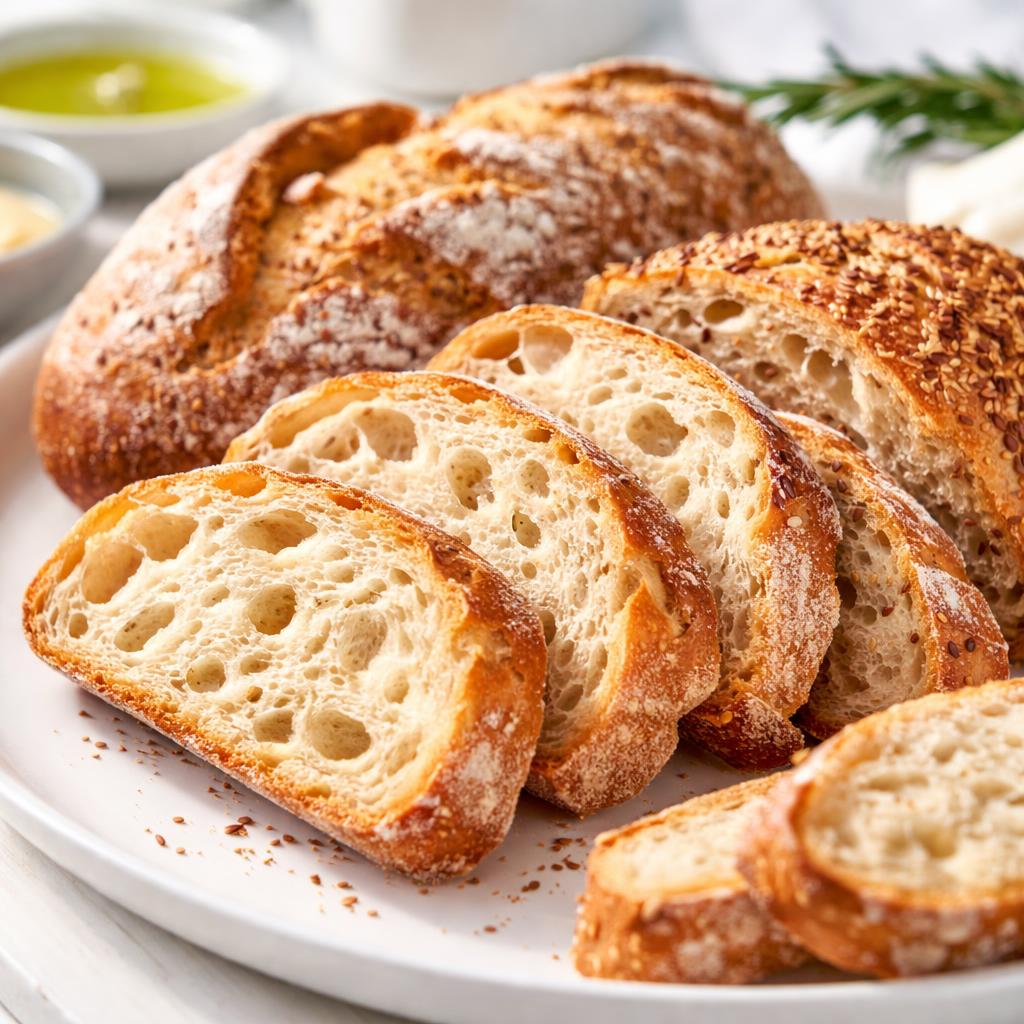
Bread

Hamburger Bun
🎯 Quick Verdict
Bread and hamburger buns are both staple carbohydrate sources, but bread edges out with higher fiber content (2.5g vs 1g) and fewer calories (80 vs 150 per slice/unit). Hamburger buns contain more protein (4g vs 3g per serving), making them slightly better for protein-focused diets. Bread is more versatile while buns are ideal for sandwiches and burgers.

Smart Nutrition Tracking with SnapCalorie

📊 Nutritional Comparison
Macronutrients
| Nutrient | Food 1 | Food 2 | Winner |
|---|---|---|---|
| Calories | 80 | 150 | ✓ |
| Protein | 3g | 4g | ✓ |
| Carbs | 15g | 28g | ✓ |
| Fat | 1g | 3g | ✓ |
| Fiber | 2.5g | 1g | ✓ |
Vitamins & Minerals
| Nutrient | Food 1 | Food 2 | Winner |
|---|---|---|---|
| Vitamin B6 | 0.04mg | 0.05mg | ✓ |
| Iron | 0.8mg | 1mg | ✓ |
| Calcium | 20mg | 30mg | ✓ |
🏆 Category Winners
Protein
Hamburger bun contains 33% more protein per serving than bread.
Fiber
Bread provides over twice the fiber compared to hamburger buns.
Calories
Bread has roughly 47% fewer calories per serving.
Vitamins
Hamburger bun has slightly more calcium, iron, and Vitamin B6.
🥗 Diet Compatibility
Keto
Food 1: Not Compatible
Food 2: Not Compatible
Both are high in carbohydrates and not suitable for ketogenic diets.
Vegan
Food 1: Compatible
Food 2: Compatible
Both are plant-based if no animal-derived additives are used.
Gluten Free
Food 1: Not Compatible
Food 2: Not Compatible
Both typically contain gluten in standard recipes.
Paleo
Food 1: Not Compatible
Food 2: Not Compatible
Neither fits paleo guidelines due to grain content.
Low-Carb
Food 1: Not Compatible
Food 2: Not Compatible
Carbohydrate content is high in both foods.
💪 Health Benefits Comparison
Food 1 Benefits
- Rich in fiber for improved digestion
- Lower calorie count for weight management
- Provides essential carbohydrates for energy
Food 2 Benefits
- Higher protein content for muscle health
- Contains iron for better oxygen transport
- Source of calcium for maintaining strong bones
✅ The Bottom Line
Bread is the better choice for those prioritizing fiber, lower calories, or versatility in meals like toast or sandwiches. Hamburger buns are more suitable for meal prep focused on protein and are ideal for sandwiches and burgers. Those watching calories or carbs might want to consider portion control with buns.
Choose Food 1 for: Fiber-rich diets, weight loss, versatile meal options
Choose Food 2 for: Higher protein diets, burgers, nutrient-focused meals


