Bread VS Half And Half
A detailed nutritional comparison
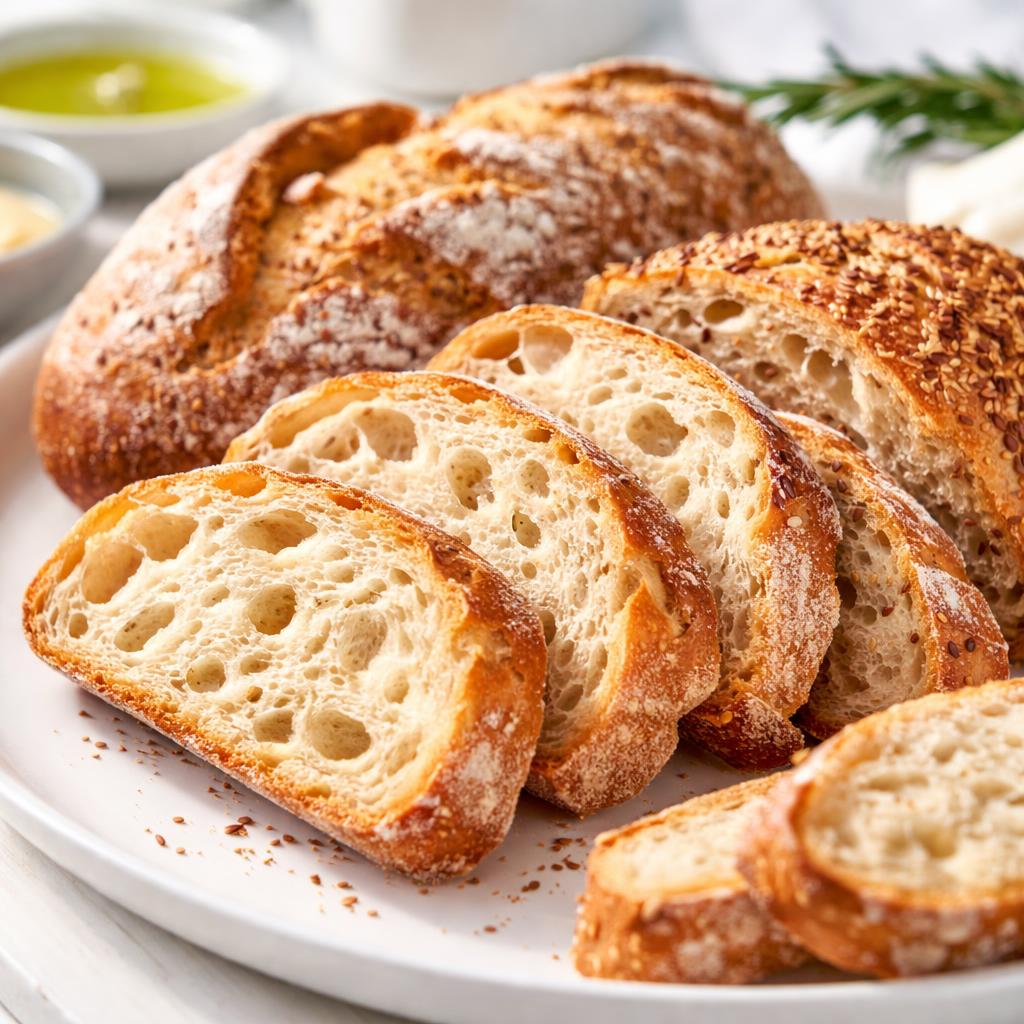
Bread
Half And Half
🎯 Quick Verdict
Bread is a carbohydrate-rich food that provides more fiber and protein, making it ideal for energy and digestive health. Half and half, being a dairy product, is significantly higher in fat and lower in carbs, which makes it suitable for keto and low-carb diets but less nutritious overall compared to bread's vitamin and mineral profile.

Smart Nutrition Tracking with SnapCalorie

📊 Nutritional Comparison
Macronutrients
| Nutrient | Food 1 | Food 2 | Winner |
|---|---|---|---|
| Calories | 80 | 40 | ✓ |
| Protein | 3g | 1g | ✓ |
| Carbs | 15g | 1g | ✓ |
| Fat | 1g | 3.5g | ✓ |
| Fiber | 1g | 0g | ✓ |
Vitamins & Minerals
| Nutrient | Food 1 | Food 2 | Winner |
|---|---|---|---|
| Vitamin D | 0mcg | 1mcg | ✓ |
| Calcium | 40mg | 100mg | ✓ |
| Iron | 1mg | 0mg | ✓ |
🏆 Category Winners
Protein
Bread contains 3g of protein per serving, which is triple the protein in half and half.
Fiber
Bread provides 1g of fiber, while half and half has none.
Calories
Half and half contains half the calories of bread per serving (40 vs 80).
🥗 Diet Compatibility
Keto
Food 1: Not Compatible
Food 2: Compatible
Half and half is low-carb (1g per serving), whereas bread is primarily carbohydrate-based.
Vegan
Food 1: Compatible
Food 2: Not Compatible
Bread is plant-based, while half and half contains dairy.
Gluten Free
Food 1: Not Compatible
Food 2: Compatible
Bread typically contains gluten unless specified. Half and half is naturally gluten-free.
Paleo
Food 1: Not Compatible
Food 2: Compatible
Bread is excluded from the paleo diet, while dairy can fit within some versions of the paleo approach.
Low-Carb
Food 1: Not Compatible
Food 2: Compatible
Bread is high-carb (15g per serving), whereas half and half is low-carb.
💪 Health Benefits Comparison
Food 1 Benefits
- Provides sustained energy from complex carbohydrates
- Contains dietary fiber for digestive health
- A source of plant-based protein for muscle maintenance
- May include added vitamins like B vitamins (depending on type)
Food 2 Benefits
- Rich in healthy fats for calorie-dense energy
- Contains calcium and vitamin D for bone health
- Suitable for low-carb and keto diets
- Can enhance flavor and texture in recipes
✅ The Bottom Line
Bread is a versatile, energy-rich staple with fiber and protein, ideal for active lifestyles and vegan diets. Half and half is better for low-carb, keto, or paleo approaches, offering fats and calcium but lacking fiber and significant protein. Choose based on dietary needs and recipe requirements.
Choose Food 1 for: Vegan diets, weight maintenance, fiber intake
Choose Food 2 for: Keto, low-carb diets, creamy recipes


