Bread VS Grits
A detailed nutritional comparison
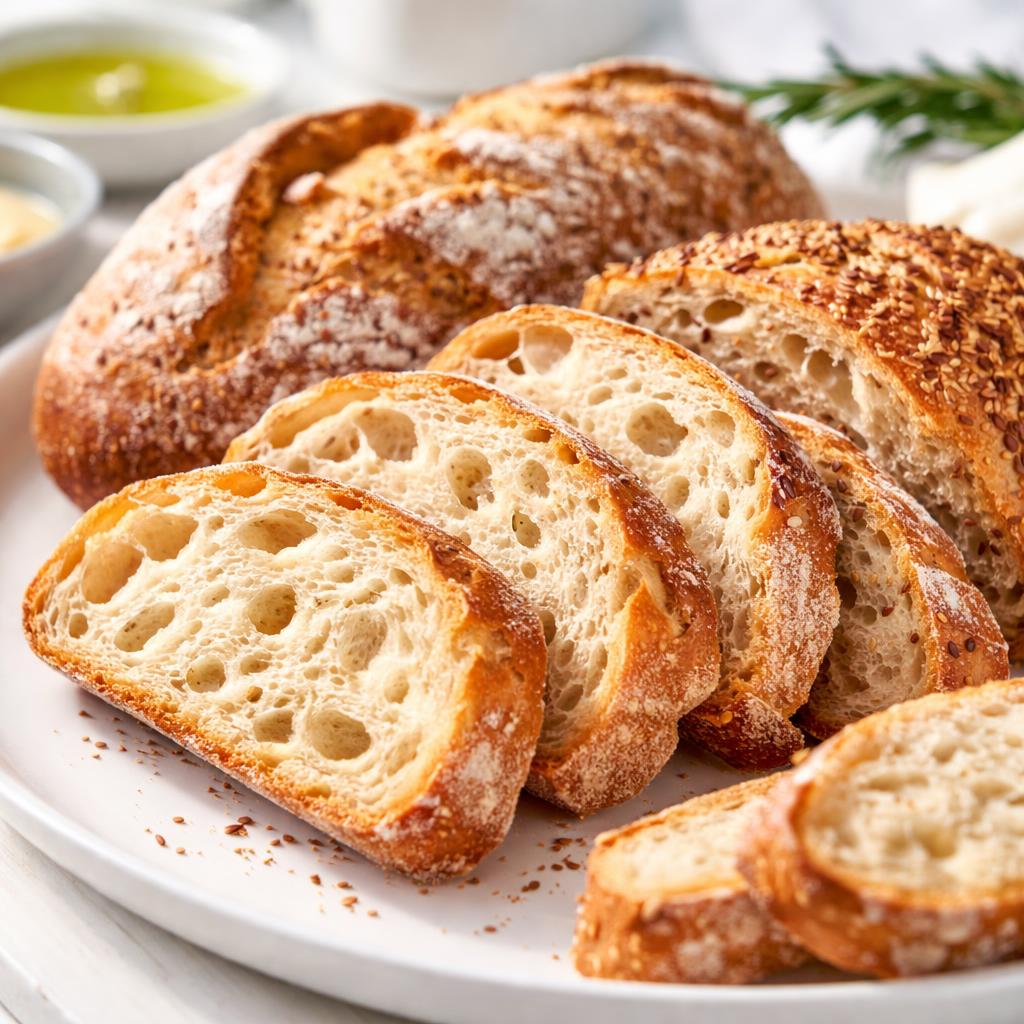
Bread
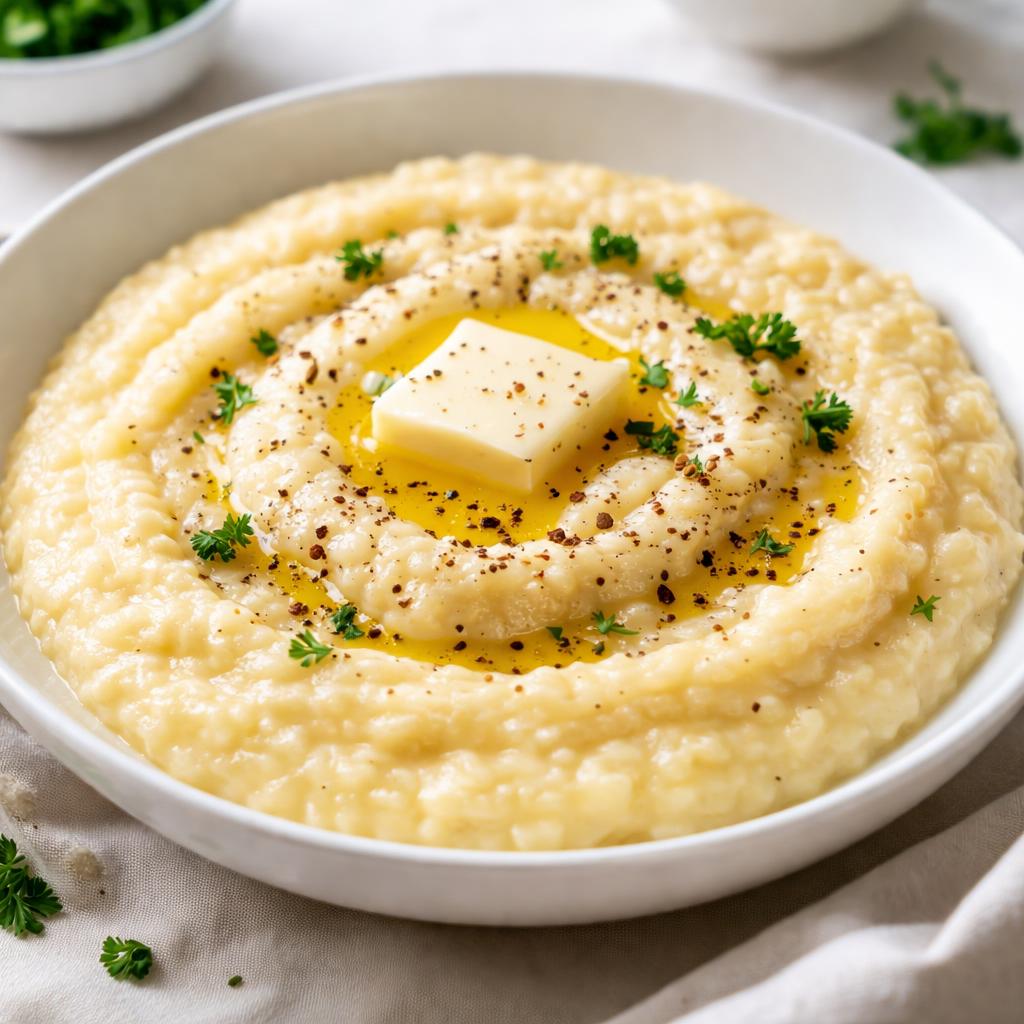
Grits
🎯 Quick Verdict
Bread and grits are nutritionally distinct: bread is higher in protein (4g vs 3g per serving) and fiber (2g vs 0g), making it more filling. Grits are lower in calories (123 vs 264 per serving), which makes them useful for calorie-controlled meals. Bread suits higher-fiber diets, while grits work well for energy needs with fewer carbs overall.

Smart Nutrition Tracking with SnapCalorie

📊 Nutritional Comparison
Macronutrients
| Nutrient | Food 1 | Food 2 | Winner |
|---|---|---|---|
| Calories | 264 | 123 | ✓ |
| Protein | 4g | 3g | ✓ |
| Carbs | 49g | 26g | ✓ |
| Fat | 1g | 0.5g | ✓ |
| Fiber | 2g | 0g | ✓ |
Vitamins & Minerals
| Nutrient | Food 1 | Food 2 | Winner |
|---|---|---|---|
| Vitamin B1 (Thiamine) | 0.3mg | 0.4mg | ✓ |
| Iron | 2mg | 0.7mg | ✓ |
| Calcium | 110mg | 6mg | ✓ |
🏆 Category Winners
Protein
Bread has 33% more protein per serving compared to grits.
Fiber
Bread provides fiber (2g per serving), while grits offer none.
Calories
Grits contain 54% fewer calories per serving.
Vitamins
Bread is higher in iron and calcium, but grits offer more thiamine for energy metabolism.
🥗 Diet Compatibility
Keto
Food 1: Not Compatible
Food 2: Not Compatible
Both are high in carbohydrates, which are unsuitable for keto diets.
Vegan
Food 1: Compatible
Food 2: Compatible
Both foods originate from plant-based sources.
Gluten Free
Food 1: Not Compatible
Food 2: Compatible
Bread contains gluten, but grits from corn are naturally gluten-free.
Paleo
Food 1: Not Compatible
Food 2: Compatible
Bread is processed and off-limits for paleo diets, while grits made from corn are acceptable.
Low Carb
Food 1: Not Compatible
Food 2: Not Compatible
Both have high carbohydrate content, making them unsuitable for low-carb diets.
💪 Health Benefits Comparison
Food 1 Benefits
- Provides fiber for improved digestion
- Contains iron to support oxygen transport in the body
- Offers calcium for strong bones and teeth
- Higher protein content helps with satiety and muscle repair
Food 2 Benefits
- Lower calorie option useful for weight management
- Rich in thiamine (Vitamin B1) for energy metabolism
- Gluten-free and suitable for individuals with gluten intolerance
- Easy to digest, making it suitable for sensitive stomachs
✅ The Bottom Line
Choose bread if you need a filling, protein- and fiber-rich option for sandwiches or to accompany meals. Opt for grits if you prefer a lower-calorie, gluten-free alternative that’s gentle on digestion. Both have specific uses depending on your dietary and health goals.
Choose Food 1 for: Higher fiber and protein diets, muscle repair, meal bulk
Choose Food 2 for: Calorie-controlled eating, gluten-free diets, easy digestibility


