Bread VS Green Beans
A detailed nutritional comparison
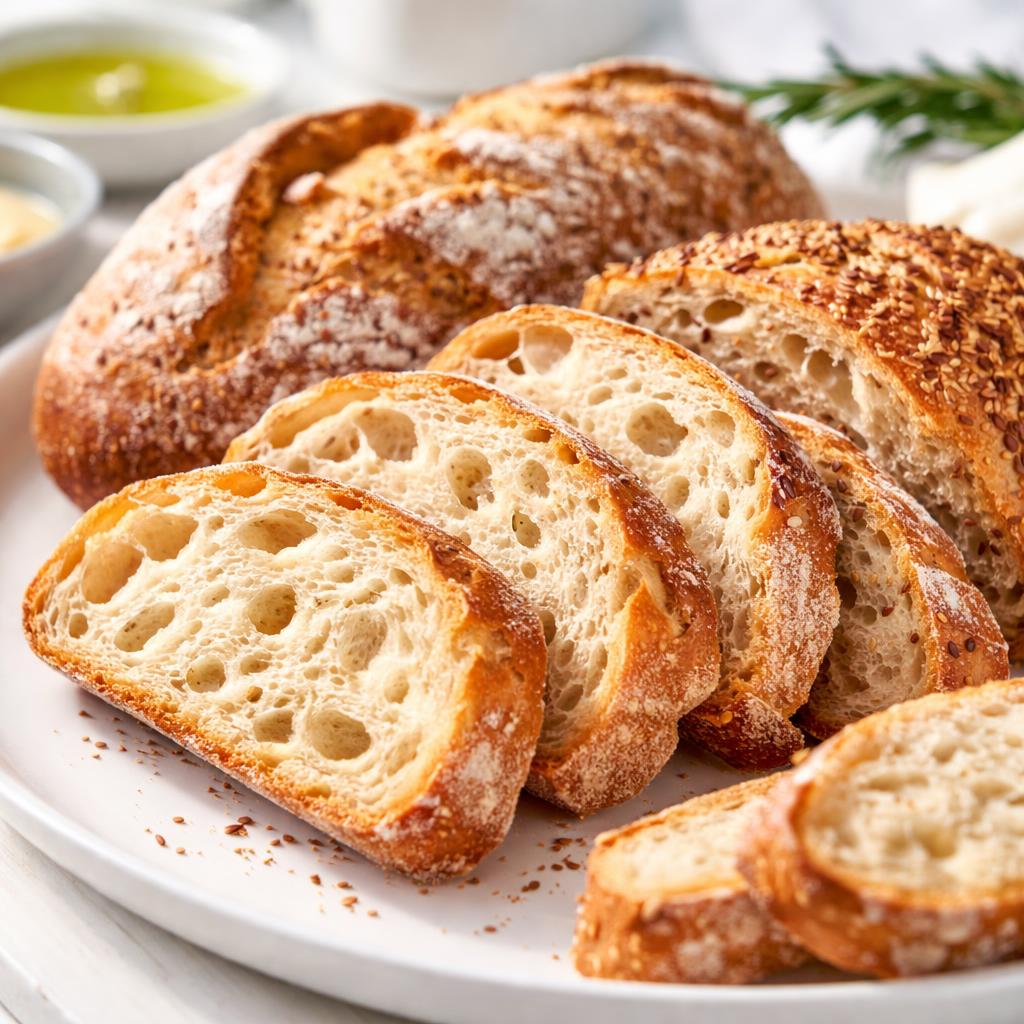
Bread
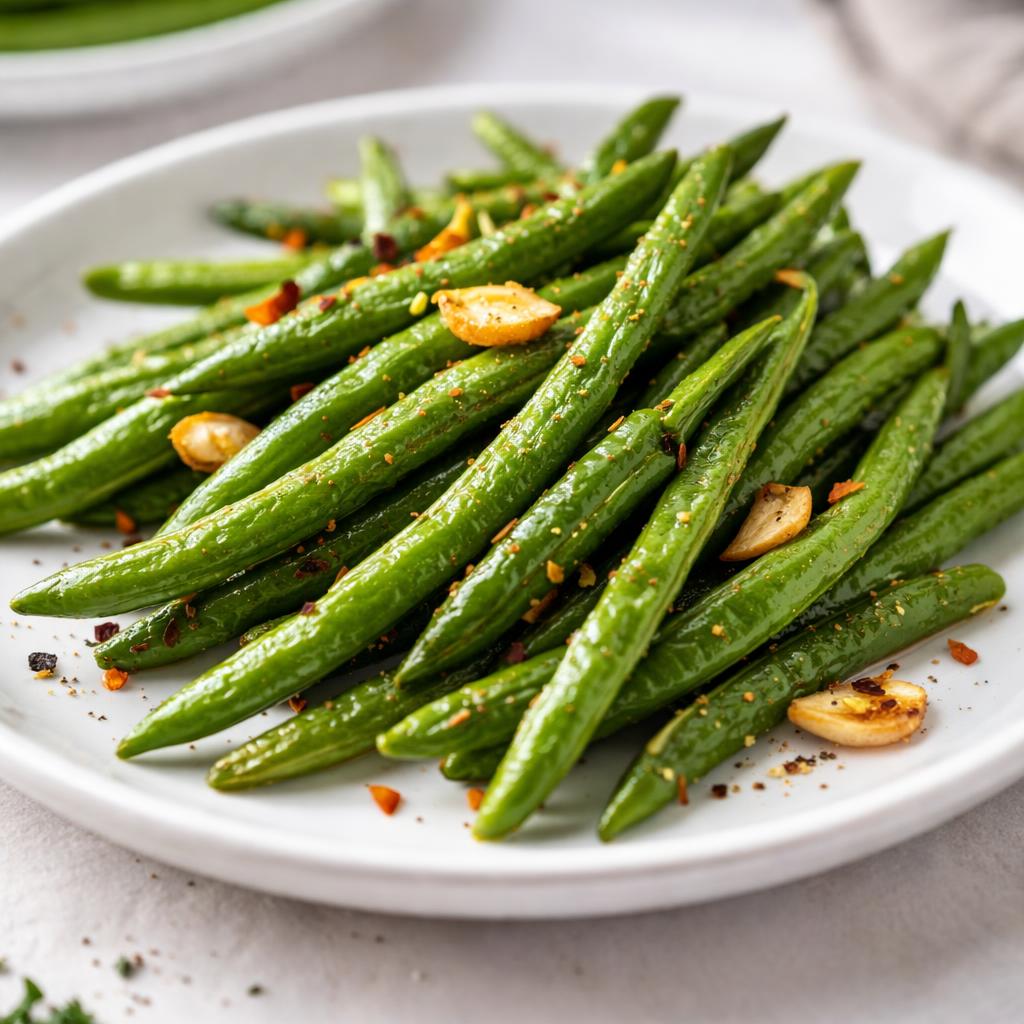
Green Beans
🎯 Quick Verdict
Bread and green beans serve different dietary needs. Bread is higher in protein, calories, and carbohydrates, making it a quick energy source, whereas green beans are much lower in calories and carbs but higher in fiber, making them ideal for weight loss or digestion-focused diets. Both have their own health benefits based on the context of your diet and nutrition goals.

Smart Nutrition Tracking with SnapCalorie

📊 Nutritional Comparison
Macronutrients
| Nutrient | Food 1 | Food 2 | Winner |
|---|---|---|---|
| Calories | 265 per 100g | 31 per 100g | − |
| Protein | 9g | 1.8g | − |
| Carbs | 49g | 7g | − |
| Fat | 3.2g | 0.2g | − |
| Fiber | 2.7g | 2.7g | − |
Vitamins & Minerals
| Nutrient | Food 1 | Food 2 | Winner |
|---|---|---|---|
| Vitamin A | 0IU | 690IU | − |
| Vitamin C | 0mg | 12mg | − |
| Calcium | 144mg | 37mg | − |
| Iron | 4.3mg | 1.0mg | − |
🏆 Category Winners
Protein
Bread contains 9g of protein per 100g, compared to 1.8g in green beans.
Fiber
Both food1 and food2 provide 2.7g of fiber per serving (100g).
Calories
Green beans are extremely low in calories (31 kcal vs 265 kcal per 100g).
Vitamins
Green beans are a better source of vitamins like A and C, whereas bread has more minerals like calcium and iron.
🥗 Diet Compatibility
Keto
Food 1: Not Compatible
Food 2: Compatible
Bread is high in carbs (49g), while green beans are low-carb (7g per 100g).
Vegan
Food 1: Compatible
Food 2: Compatible
Both foods are plant-based.
Gluten Free
Food 1: Not Compatible
Food 2: Compatible
Bread typically contains gluten unless specified otherwise.
Paleo
Food 1: Not Compatible
Food 2: Compatible
Green beans fit into the paleo diet, while bread does not due to grains.
Low-Carb
Food 1: Not Compatible
Food 2: Compatible
Green beans are low in carbs, making them a better option for low-carb diets.
💪 Health Benefits Comparison
Food 1 Benefits
- Good source of quick energy due to carbs
- Provides iron for red blood cell production
- Rich in calcium to support bone health
Food 2 Benefits
- High in fiber, aiding digestion and gut health
- Rich in vitamin C to boost immune function
- Low in calories, helping with weight loss
✅ The Bottom Line
Choose bread for higher protein and energy needs, such as during intense physical activity or to meet calorie requirements. Opt for green beans if you're aiming for a low-calorie, fiber-rich option that supports weight loss and vitamin intake.
Choose Food 1 for: Energy boost, post-workout, balanced macro diets
Choose Food 2 for: Weight loss, digestive health, low-carb or keto diets


