Bread VS Dinner Roll
A detailed nutritional comparison
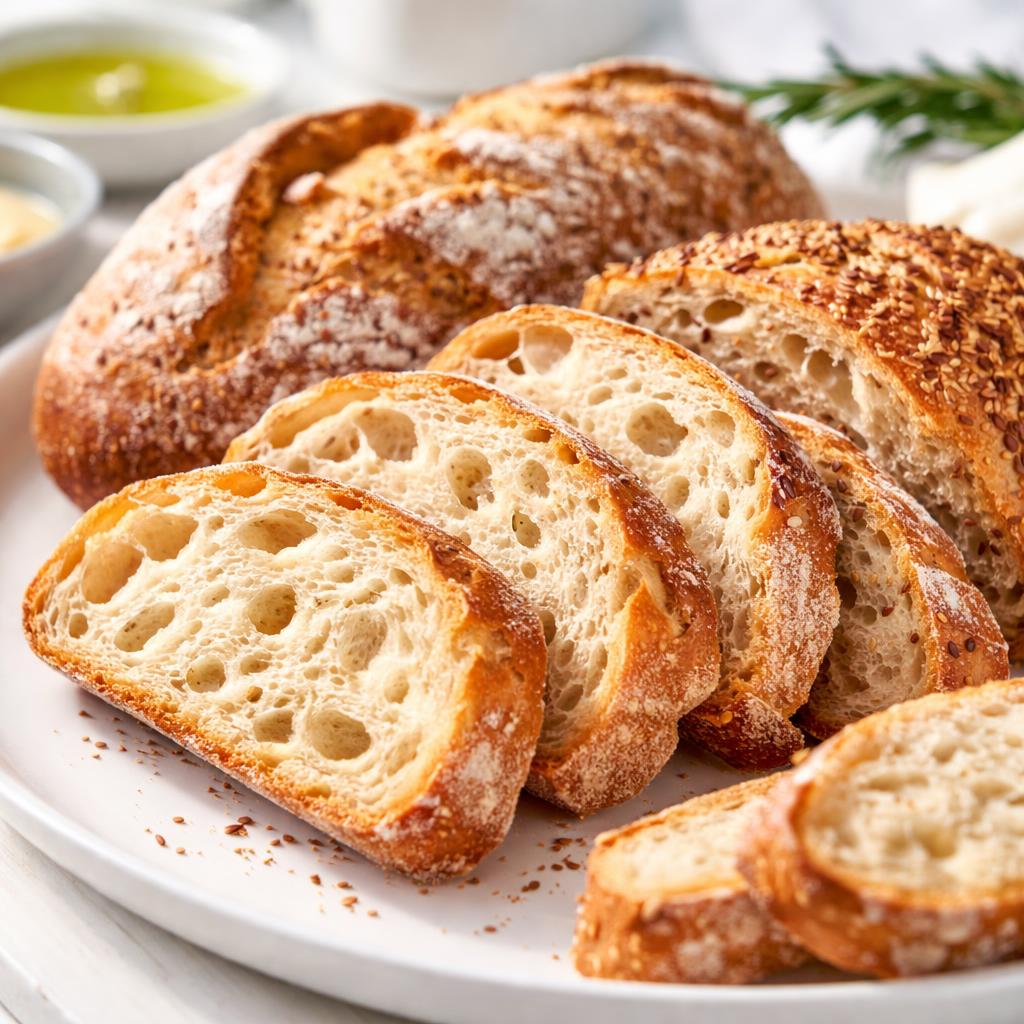
Bread

Dinner Roll
🎯 Quick Verdict
Bread and dinner rolls have notable nutritional differences. Bread generally offers higher protein (4g per slice) and fiber (1.5g), while being lower in calories (75 calories per slice). Dinner rolls, with 2g protein, 0.5g fiber, and 120 calories per roll, provide more fat and often a richer taste. Bread is better suited for weight-conscious diets, while dinner rolls may appeal for more indulgent meals or special occasions.

Smart Nutrition Tracking with SnapCalorie

📊 Nutritional Comparison
Macronutrients
| Nutrient | Food 1 | Food 2 | Winner |
|---|---|---|---|
| Calories | 75 | 120 | ✓ |
| Protein | 4g | 2g | ✓ |
| Carbs | 13g | 21g | ✓ |
| Fat | 1g | 3.5g | ✓ |
| Fiber | 1.5g | 0.5g | ✓ |
Vitamins & Minerals
| Nutrient | Food 1 | Food 2 | Winner |
|---|---|---|---|
| Vitamin D | 0mcg | 0mcg | − |
| Calcium | 30mg | 20mg | ✓ |
| Iron | 0.8mg | 0.5mg | ✓ |
🏆 Category Winners
Protein
Bread offers 100% more protein, making it ideal for muscle maintenance.
Fiber
Bread has 200% more fiber, promoting better digestion.
Calories
Bread contains 40% fewer calories per serving, suitable for weight management.
Vitamins
Bread provides slightly more calcium and iron, benefiting bone health and oxygen transport.
🥗 Diet Compatibility
Keto
Food 1: Not Compatible
Food 2: Not Compatible
Both are high-carb items unsuitable for keto diets.
Vegan
Food 1: Compatible
Food 2: Compatible
Both foods are plant-based when made without dairy or eggs.
Gluten Free
Food 1: Not Compatible
Food 2: Not Compatible
Neither is gluten-free unless using special gluten-free recipes.
Paleo
Food 1: Not Compatible
Food 2: Not Compatible
Both contain grains, which are excluded in paleo diets.
Low Carb
Food 1: Not Compatible
Food 2: Not Compatible
Neither food is low-carb due to high carbohydrate content per serving.
💪 Health Benefits Comparison
Food 1 Benefits
- Good source of low-calorie carbohydrate for energy
- Contains dietary fiber for digestive health
- Provides important trace amounts of iron for supporting oxygen transport
Food 2 Benefits
- Rich in carbohydrates, offering quick energy
- Contains slightly more fat for a richer flavor profile
- May provide comfort and indulgence for special occasions
✅ The Bottom Line
Choose bread for everyday use, sandwiches, and weight-conscious diets due to lower calories and higher fiber. Opt for dinner rolls during indulgent meals or special gatherings for their richness and soft texture.
Choose Food 1 for: Weight management, fiber-rich diets, casual meals
Choose Food 2 for: Indulgent meals, side dishes, special occasions


