Bread VS Cheese Pizza
A detailed nutritional comparison
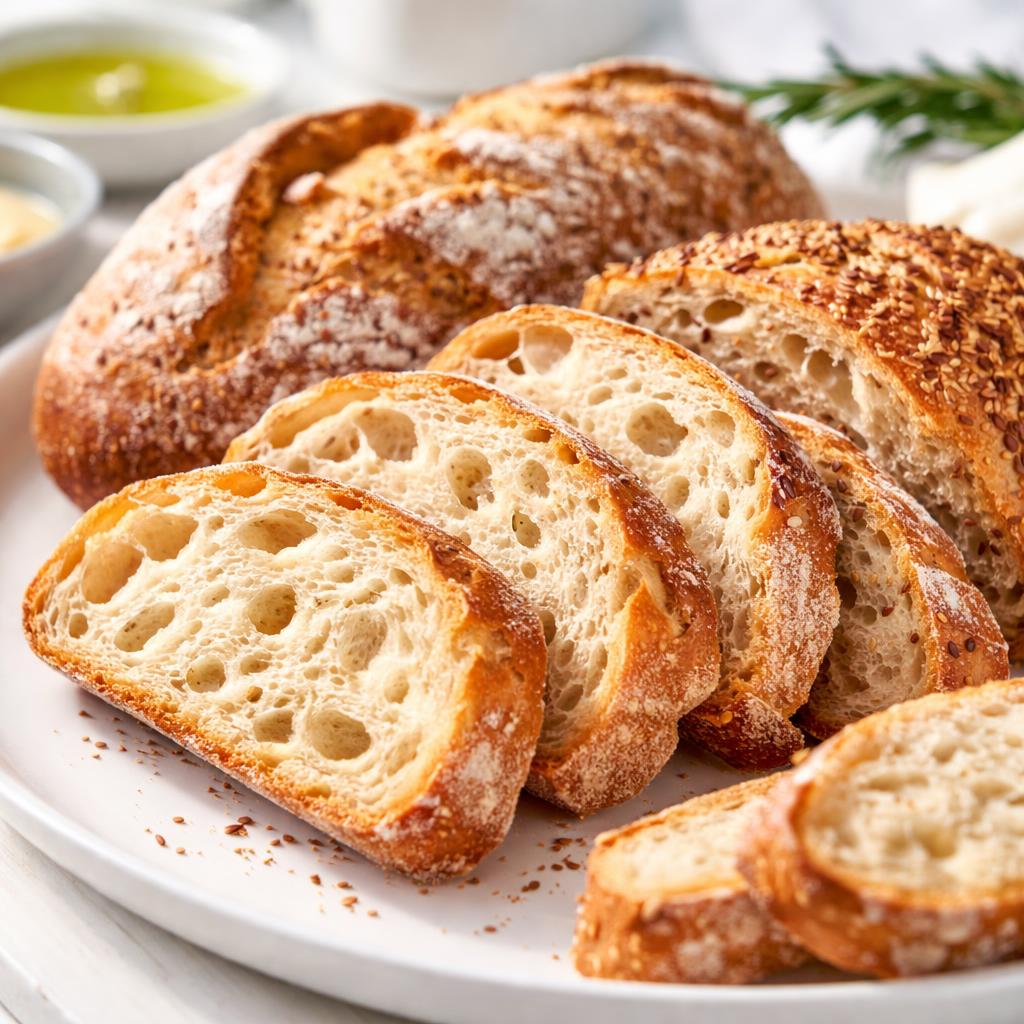
Bread
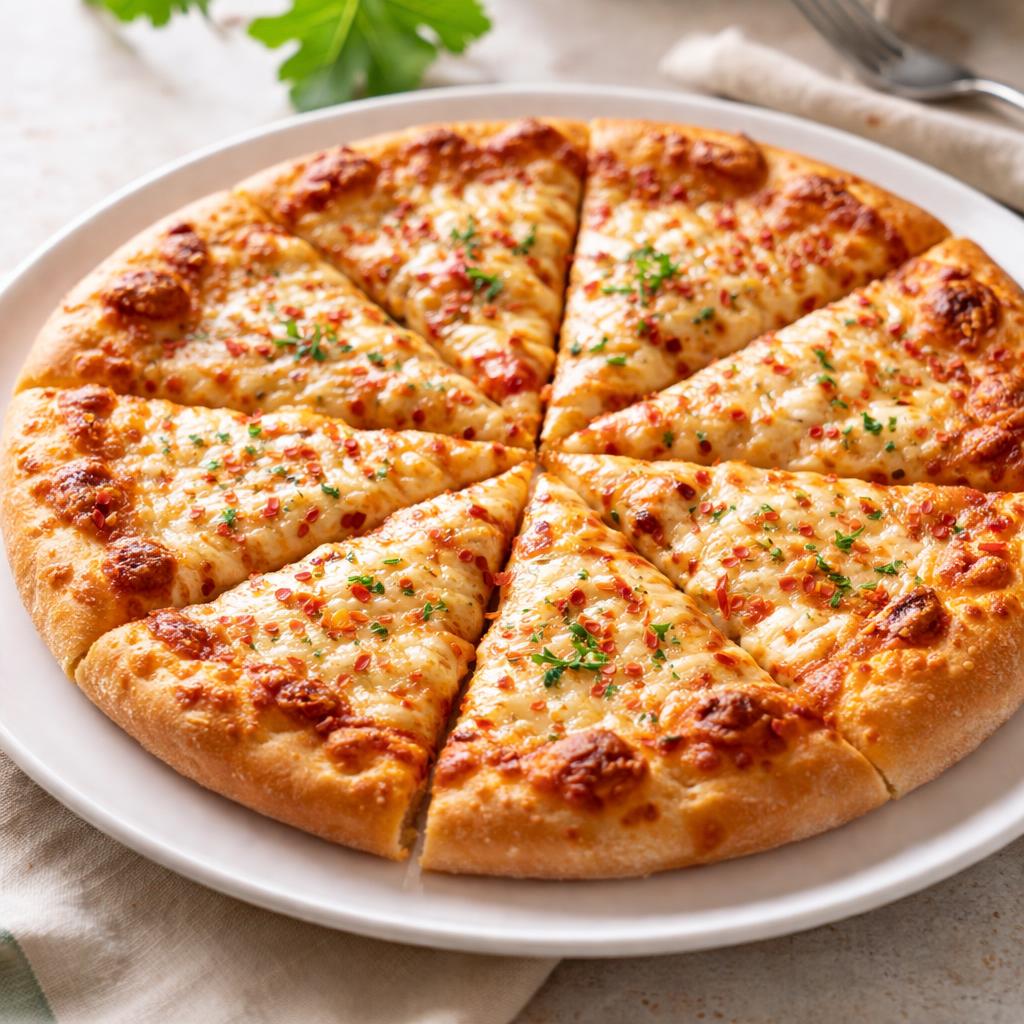
Cheese Pizza
🎯 Quick Verdict
Bread and cheese pizza differ significantly in nutrition. Bread is lower in calories and fat, making it a better choice for light meals or weight management. Cheese pizza is higher in protein and provides more vitamins and minerals like calcium and vitamin D, ideal for complete meals or energy sustenance.

Smart Nutrition Tracking with SnapCalorie

📊 Nutritional Comparison
Macronutrients
| Nutrient | Food 1 | Food 2 | Winner |
|---|---|---|---|
| Calories | 120 | 285 | ✓ |
| Protein | 4g | 12g | ✓ |
| Carbs | 22g | 36g | ✓ |
| Fat | 1g | 10g | ✓ |
| Fiber | 0.9g | 0.7g | ✓ |
Vitamins & Minerals
| Nutrient | Food 1 | Food 2 | Winner |
|---|---|---|---|
| Vitamin D | 0mcg | 2mcg | ✓ |
| Calcium | 22mg | 210mg | ✓ |
| Iron | 1.5mg | 2mg | ✓ |
🏆 Category Winners
Protein
Cheese pizza contains 3x more protein, supporting muscle function and satiety.
Fiber
Bread provides slightly more fiber per serving.
Calories
Bread has less than half the calories of cheese pizza, suitable for calorie-conscious choices.
Vitamins
Cheese pizza offers more vitamin D, calcium, and iron, contributing to bone health and immunity.
🥗 Diet Compatibility
Keto
Food 1: Not Compatible
Food 2: Not Compatible
Both foods are high in carbs and not suitable for a keto diet.
Vegan
Food 1: Compatible
Food 2: Not Compatible
Bread can be vegan (if made without milk/eggs), but cheese pizza contains dairy.
Gluten Free
Food 1: Not Compatible
Food 2: Not Compatible
Both foods typically contain gluten unless made with alternative flours.
Paleo
Food 1: Not Compatible
Food 2: Not Compatible
Both are processed foods and contain grains or dairy, which do not fit paleo guidelines.
Low-Carb
Food 1: Not Compatible
Food 2: Not Compatible
Both foods are high in carbohydrates, exceeding limits for low-carb diets.
💪 Health Benefits Comparison
Food 1 Benefits
- Low in calories, making it suitable for weight management
- Provides an energy boost with carbohydrates
- Contains small amounts of iron for oxygen transport
Food 2 Benefits
- High protein content for muscle development and repair
- Rich in calcium for strong bones and teeth
- Contains vitamin D for immune support and bone health
- Provides sustained energy through a balance of carbs, fats, and protein
✅ The Bottom Line
Choose bread if you need a low-calorie, light option for snacks or meals. Opt for cheese pizza when you need a protein-rich, full meal with nutrients for energy and bone health.
Choose Food 1 for: Weight management, light meals, quick energy boost
Choose Food 2 for: Sustained energy, complete meals, muscle maintenance


