Bread VS Cheddar Cheese
A detailed nutritional comparison
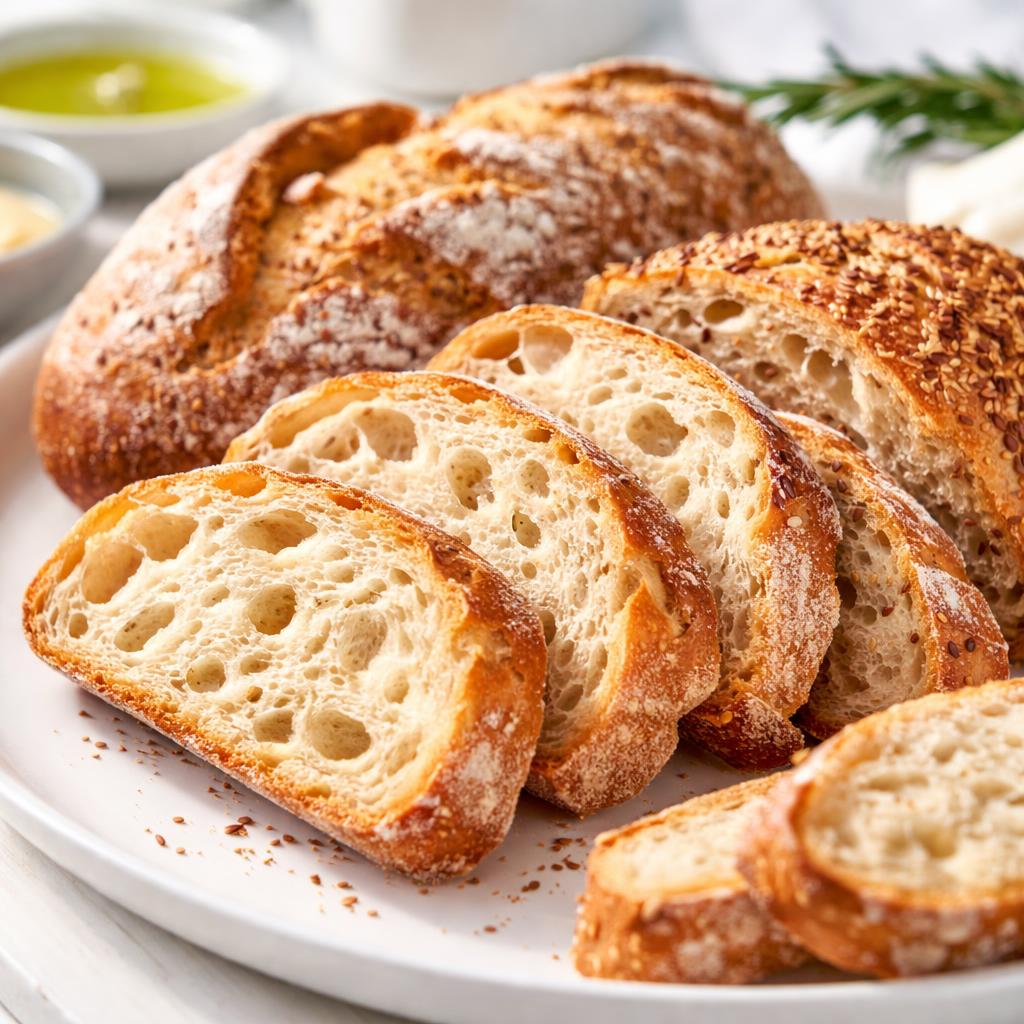
Bread
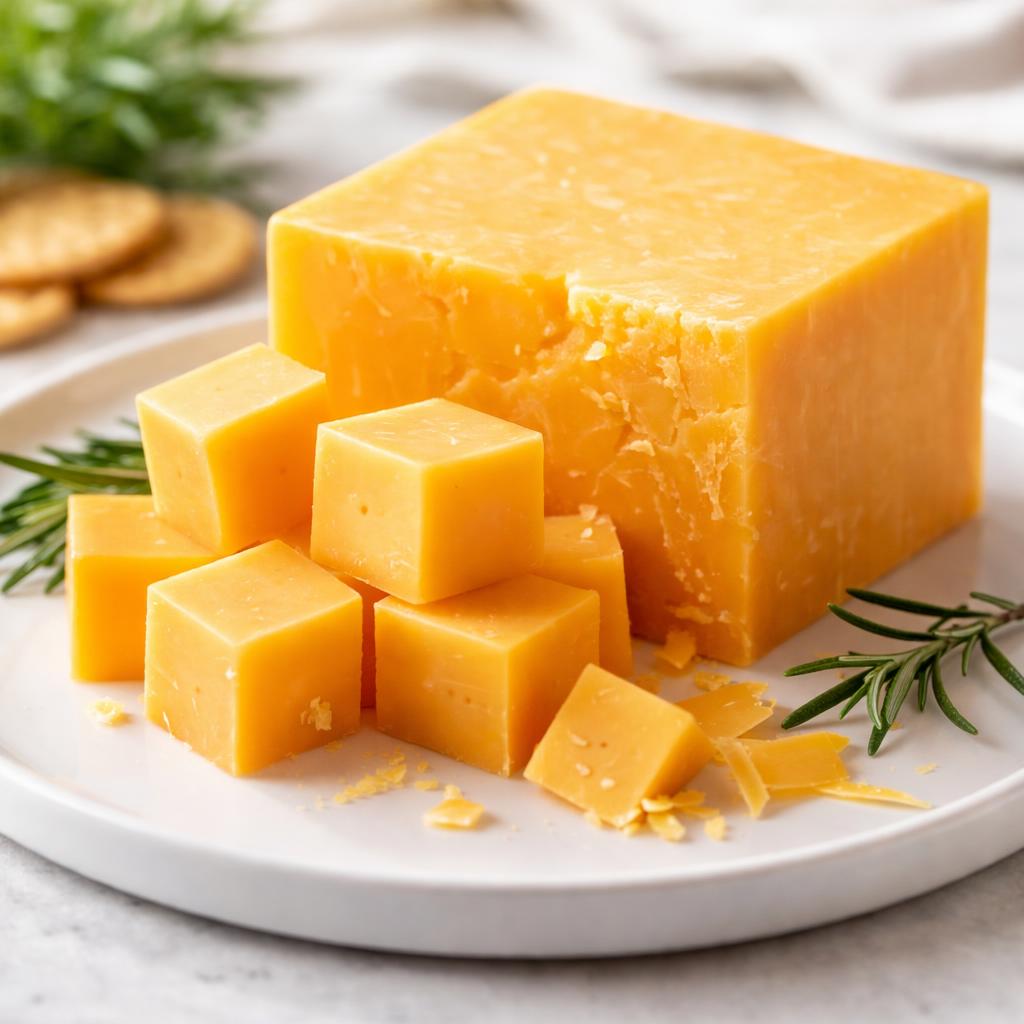
Cheddar Cheese
🎯 Quick Verdict
Bread and cheddar cheese have distinct nutritional profiles suited for different dietary needs. Bread is higher in fiber and carbohydrates, making it suitable for energy needs and digestion support. Cheddar cheese excels in protein and healthy fats while being lower in calories, making it ideal for keto and low-carb diets. Both have their strengths depending on the health goals and recipes you're targeting.

Smart Nutrition Tracking with SnapCalorie

📊 Nutritional Comparison
Macronutrients
| Nutrient | Food 1 | Food 2 | Winner |
|---|---|---|---|
| Calories | 250 | 200 | ✓ |
| Protein | 9g | 25g | ✓ |
| Carbs | 45g | 1g | ✓ |
| Fat | 3g | 16g | ✓ |
| Fiber | 4g | 0g | ✓ |
Vitamins & Minerals
| Nutrient | Food 1 | Food 2 | Winner |
|---|---|---|---|
| Calcium | 80mg | 721mg | ✓ |
| Iron | 2mg | 0.2mg | ✓ |
| Vitamin A | 0mcg | 265mcg | ✓ |
🏆 Category Winners
Protein
Cheddar cheese contains nearly three times more protein than bread.
Fiber
Bread is a better source of dietary fiber, providing 4g per serving.
Calories
Cheddar cheese is lower in calories compared to bread.
Vitamins
Cheddar cheese is exceptionally high in calcium and vitamin A.
🥗 Diet Compatibility
Keto
Food 1: Not Compatible
Food 2: Compatible
Food2 fits keto diets due to its high fat and low carb content.
Vegan
Food 1: Compatible
Food 2: Not Compatible
Food2 contains dairy, whereas bread can be vegan depending on ingredients.
Gluten Free
Food 1: Not Compatible
Food 2: Compatible
Most bread contains gluten, while cheddar cheese is naturally gluten-free.
Paleo
Food 1: Not Compatible
Food 2: Compatible
Cheddar cheese is often allowed in paleo diets, whereas bread is not.
Low-Carb
Food 1: Not Compatible
Food 2: Compatible
Cheddar cheese is low in carbohydrates, while bread is high in carbs.
💪 Health Benefits Comparison
Food 1 Benefits
- Rich in dietary fiber for digestive health
- Provides sustained energy via carbohydrates
- Contains B vitamins for overall cellular health
Food 2 Benefits
- High in protein to support muscle growth and repair
- Excellent source of calcium for bone health
- Rich in vitamin A for eye and immune health
- Contains healthy fats for satiety and heart health
✅ The Bottom Line
Choose bread when fiber and energy needs are priorities, such as for athletic performance or digestion. Opt for cheddar cheese if you're seeking protein, healthy fats, or a food suitable for low-carb or keto diets. Both foods work well depending on your dietary needs and meal type.
Choose Food 1 for: Energy needs, fiber intake, general snacking or sandwiches
Choose Food 2 for: Low-carb diets, keto meals, calcium needs, protein supplementation


