Bread VS Celery Sticks
A detailed nutritional comparison
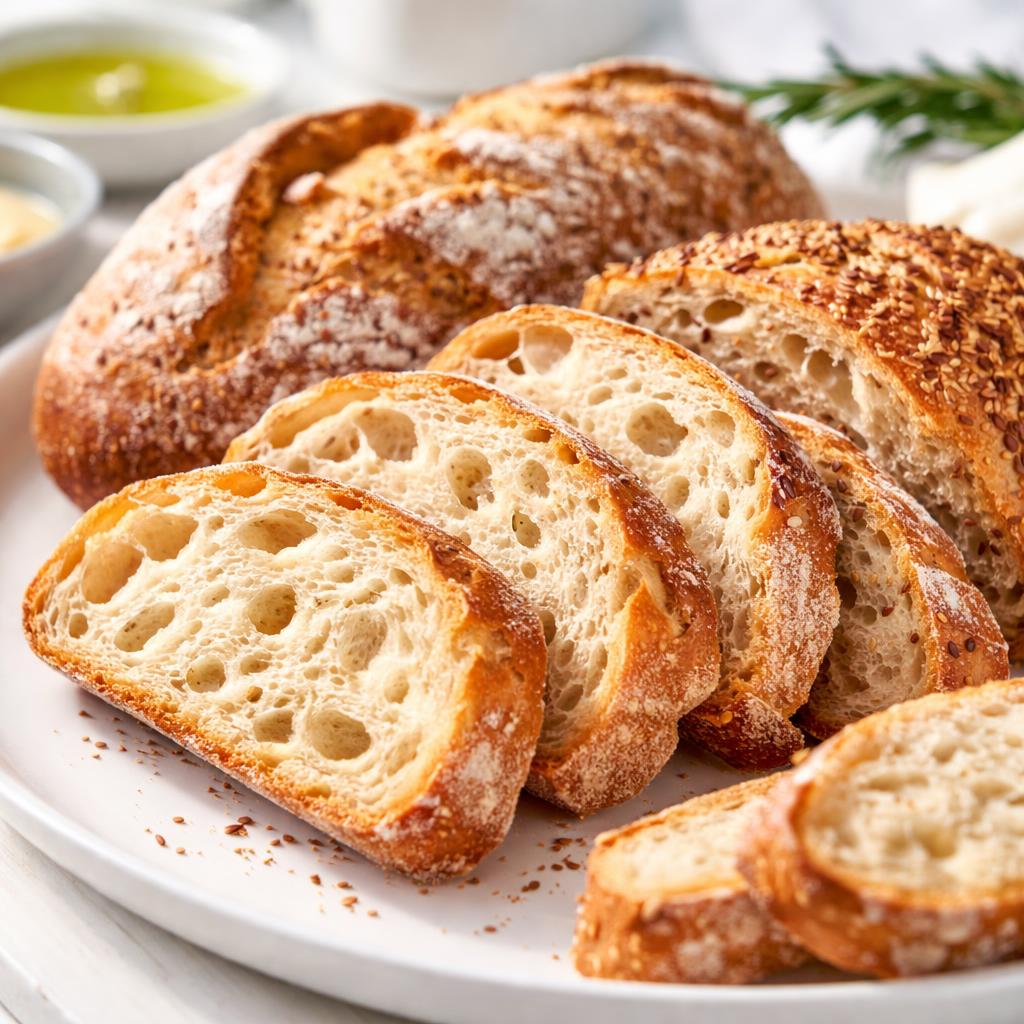
Bread
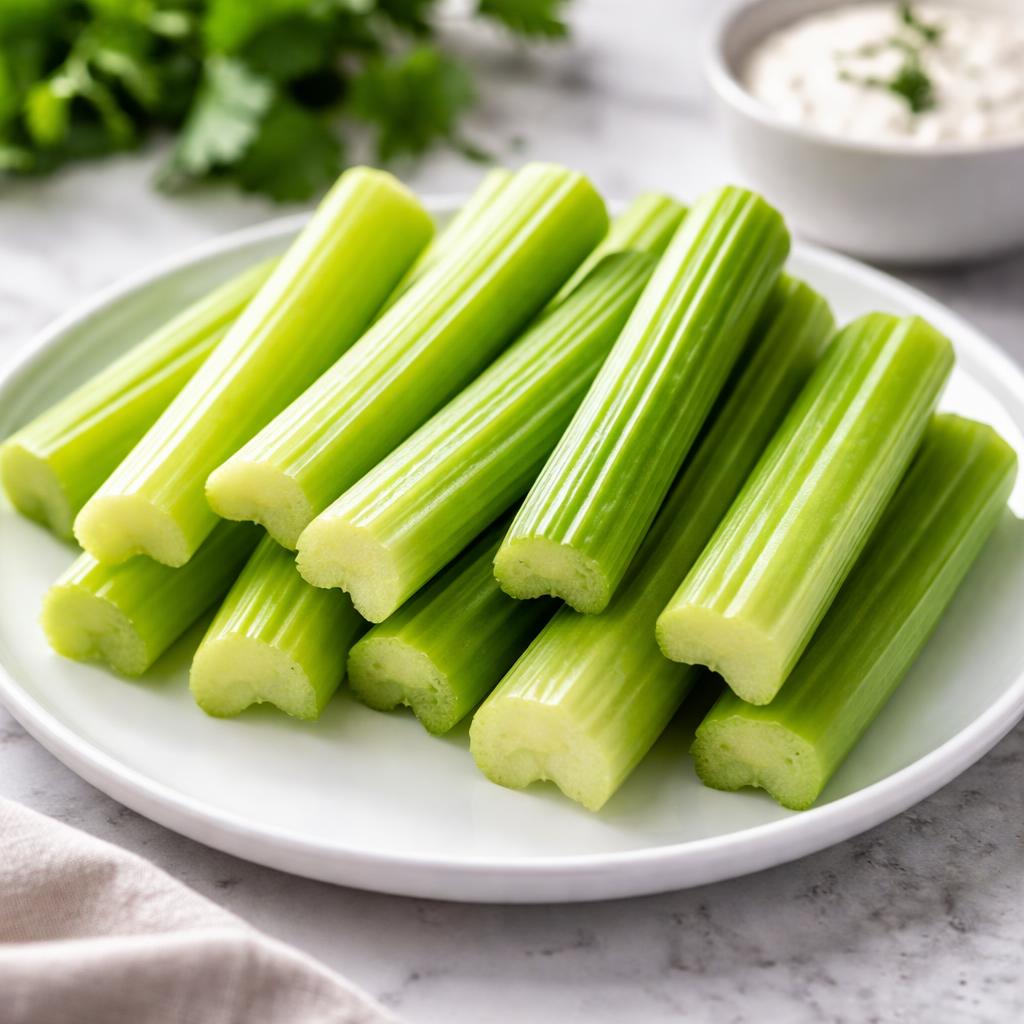
Celery Sticks
🎯 Quick Verdict
Bread is calorie-dense and provides more protein and carbs, making it ideal for energy and muscle maintenance. Celery sticks are extremely low in calories, high in water content, and provide more fiber, making them a great choice for hydration and digestion. Consider bread for energy-focused diets and celery for snacking during weight management plans.

Smart Nutrition Tracking with SnapCalorie

📊 Nutritional Comparison
Macronutrients
| Nutrient | Food 1 | Food 2 | Winner |
|---|---|---|---|
| Calories | 75 (per slice) | 16 (per cup) | − |
| Protein | 2.5g | 0.7g | − |
| Carbs | 13g | 3g | − |
| Fat | 1g | 0.1g | − |
| Fiber | 0.6g | 1.6g | − |
Vitamins & Minerals
| Nutrient | Food 1 | Food 2 | Winner |
|---|---|---|---|
| Vitamin A | 0mcg | 450mcg | − |
| Vitamin C | 0mcg | 3.1mg | − |
| Calcium | 30mg | 40mg | − |
| Iron | 0.6mg | 0.2mg | − |
🏆 Category Winners
Protein
Bread contains nearly 4 times more protein than celery sticks.
Fiber
Celery sticks provide approximately 3 times more fiber.
Calories
Celery is lower in calories by nearly 80%.
Vitamins
Celery is richer in vitamin A, vitamin C, and calcium essential for overall health.
🥗 Diet Compatibility
Keto
Food 1: Not Compatible
Food 2: Compatible
Bread contains high levels of carbs, while celery has minimal carbs and fits low-carb diets.
Vegan
Food 1: Compatible
Food 2: Compatible
Both foods are plant-based.
Gluten Free
Food 1: Not Compatible
Food 2: Compatible
Bread contains gluten unless specifically labeled gluten-free.
Paleo
Food 1: Not Compatible
Food 2: Compatible
Bread is processed, whereas celery aligns with whole-food paleo guidelines.
Low-Carb
Food 1: Not Compatible
Food 2: Compatible
Celery is low-carb (3g per cup), while bread contains 13g of carbs per slice.
💪 Health Benefits Comparison
Food 1 Benefits
- Source of energy from complex carbs
- Provides a decent amount of protein for muscle support
- Iron content aids red blood cell production
Food 2 Benefits
- Rich in fiber for improved digestion
- Low-calorie content suitable for weight management
- Contains hydration properties due to high water content
✅ The Bottom Line
Bread is better suited for higher energy needs, post-workout snacks, or muscle maintenance due to its calorie and protein content. In contrast, celery sticks are an excellent low-calorie option for light snacking, digestion, and hydration, especially during weight loss or health-conscious diets.
Choose Food 1 for: Energy boost, muscle recovery, active lifestyles
Choose Food 2 for: Weight loss, digestive health, hydration snacks


