Bread VS Candy
A detailed nutritional comparison
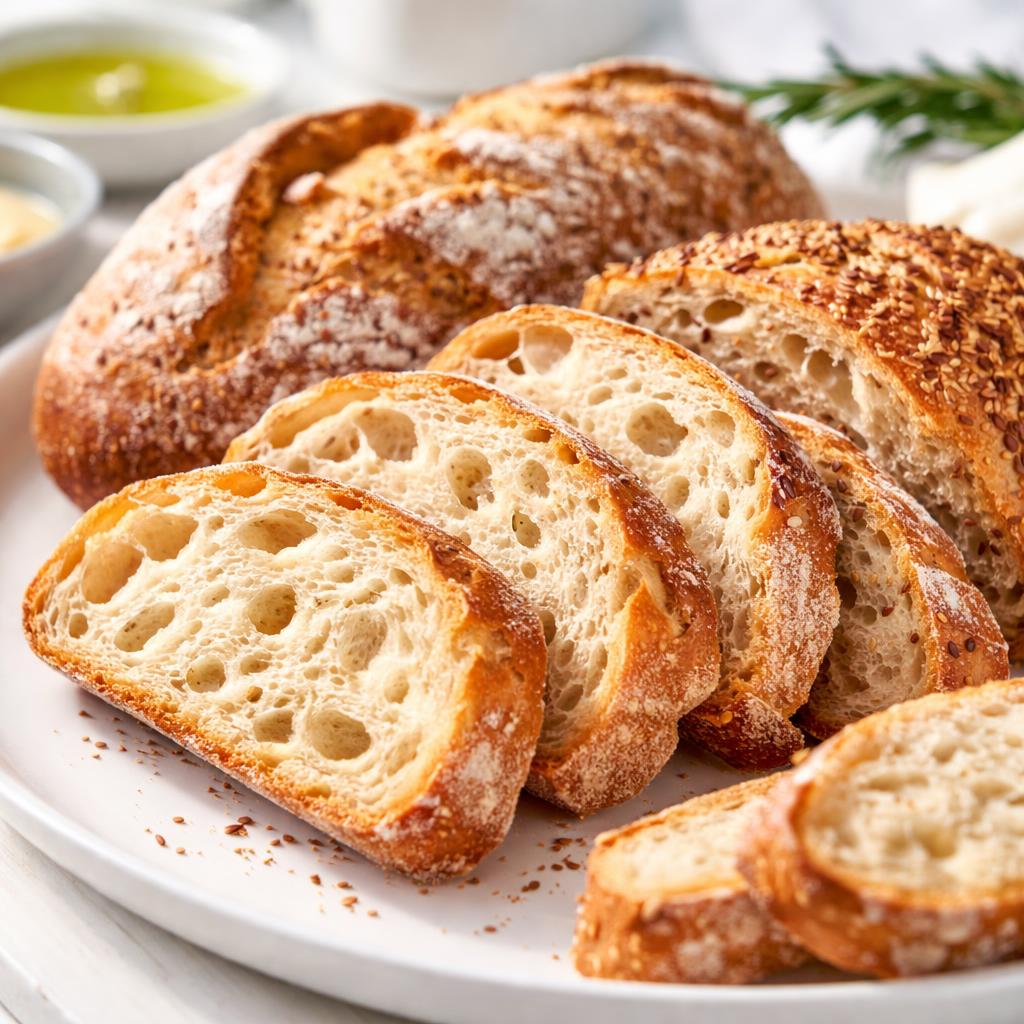
Bread
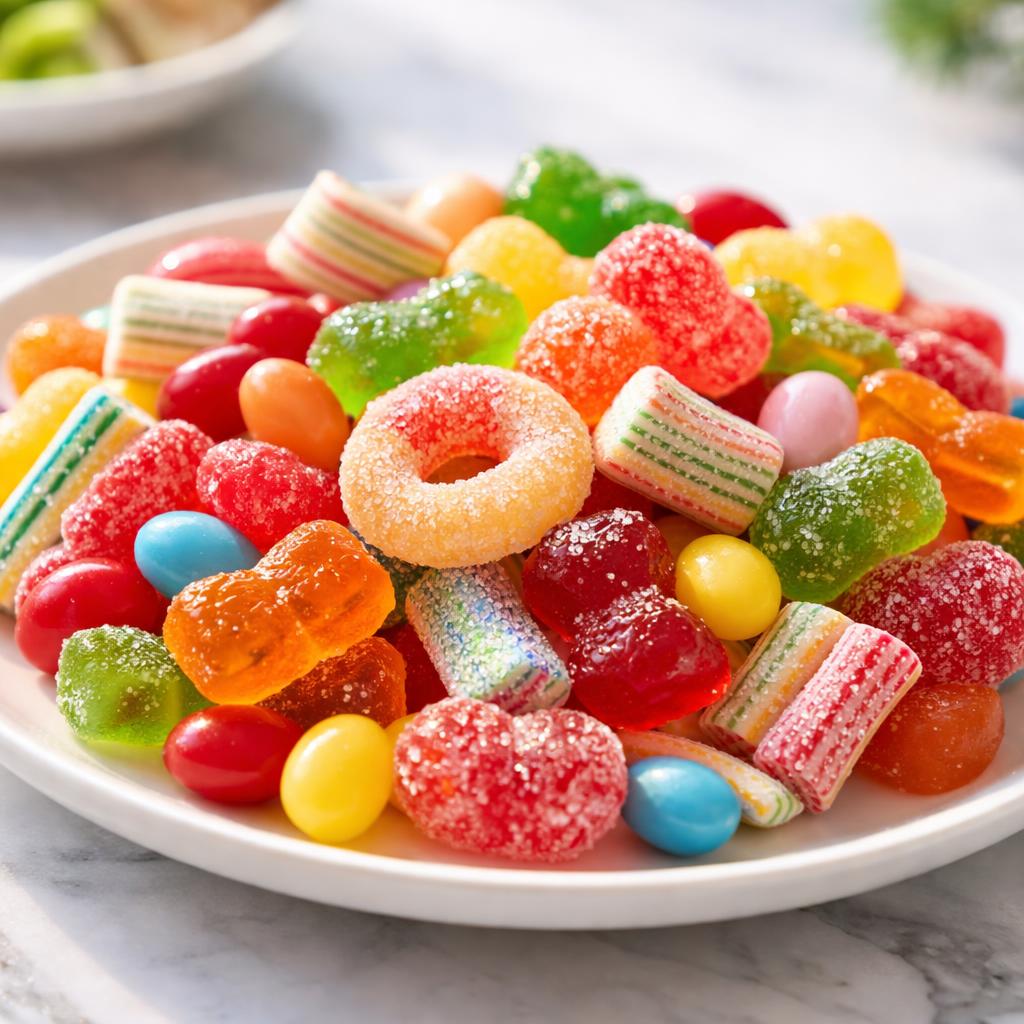
Candy
🎯 Quick Verdict
Bread is nutritionally superior to candy in terms of protein, fiber, and fewer calories. Candy is primarily sugar-heavy, offering minimal nutritional benefits aside from quick energy due to its high carbohydrate content. Bread is a better choice for sustained energy and balanced nutrition, while candy is more suitable as an occasional treat or for quick energy bursts during heavy activity.

Smart Nutrition Tracking with SnapCalorie

📊 Nutritional Comparison
Macronutrients
| Nutrient | Food 1 | Food 2 | Winner |
|---|---|---|---|
| Calories | 75 per slice | 150 per serving (30g) | ✓ |
| Protein | 3g | 0g | ✓ |
| Carbs | 14g | 28g | ✓ |
| Fat | 1g | 0g | ✓ |
| Fiber | 1g | 0g | ✓ |
Vitamins & Minerals
| Nutrient | Food 1 | Food 2 | Winner |
|---|---|---|---|
| Vitamin D | 0mcg | 0mcg | − |
| Calcium | 20mg | 5mg | ✓ |
| Iron | 0.5mg | 0.1mg | ✓ |
🏆 Category Winners
Protein
Bread contains 3g of protein per slice, while candy has none.
Fiber
Bread provides 1g of fiber per slice, while candy lacks fiber entirely.
Calories
Bread has half the calories of candy (75 vs. 150 per serving).
Vitamins
Bread contains small amounts of calcium and iron, which candy lacks in significant concentrations.
🥗 Diet Compatibility
Keto
Food 1: Not Compatible
Food 2: Not Compatible
Both are high in carbs.
Vegan
Food 1: Compatible
Food 2: Compatible
Both foods are plant-based.
Gluten Free
Food 1: Not Compatible
Food 2: Compatible
Bread is typically made from wheat, while candy generally excludes gluten.
Paleo
Food 1: Not Compatible
Food 2: Not Compatible
Both foods are processed and not considered paleo-compliant.
Low-Carb
Food 1: Not Compatible
Food 2: Not Compatible
Both foods are high in carbohydrates.
💪 Health Benefits Comparison
Food 1 Benefits
- Provides sustained energy from complex carbohydrates
- Contains small amounts of protein for muscle maintenance
- Includes dietary fiber for digestive health
Food 2 Benefits
- Offers quick energy due to simple sugars
- May improve mood temporarily from sugar intake
- Some types (e.g., dark chocolate-based candy) may contain antioxidants
✅ The Bottom Line
Bread is a more balanced and nutritious option for everyday consumption, providing protein, fiber, and sustained energy. Candy is best reserved as an occasional treat or for immediate energy during prolonged physical activity due to its high sugar content and lack of nutrients.
Choose Food 1 for: Sustained energy, casual meals, balanced nutrition
Choose Food 2 for: Quick energy, occasional snack or treat, mood enhancement


