Bread VS Bread With Spread
A detailed nutritional comparison
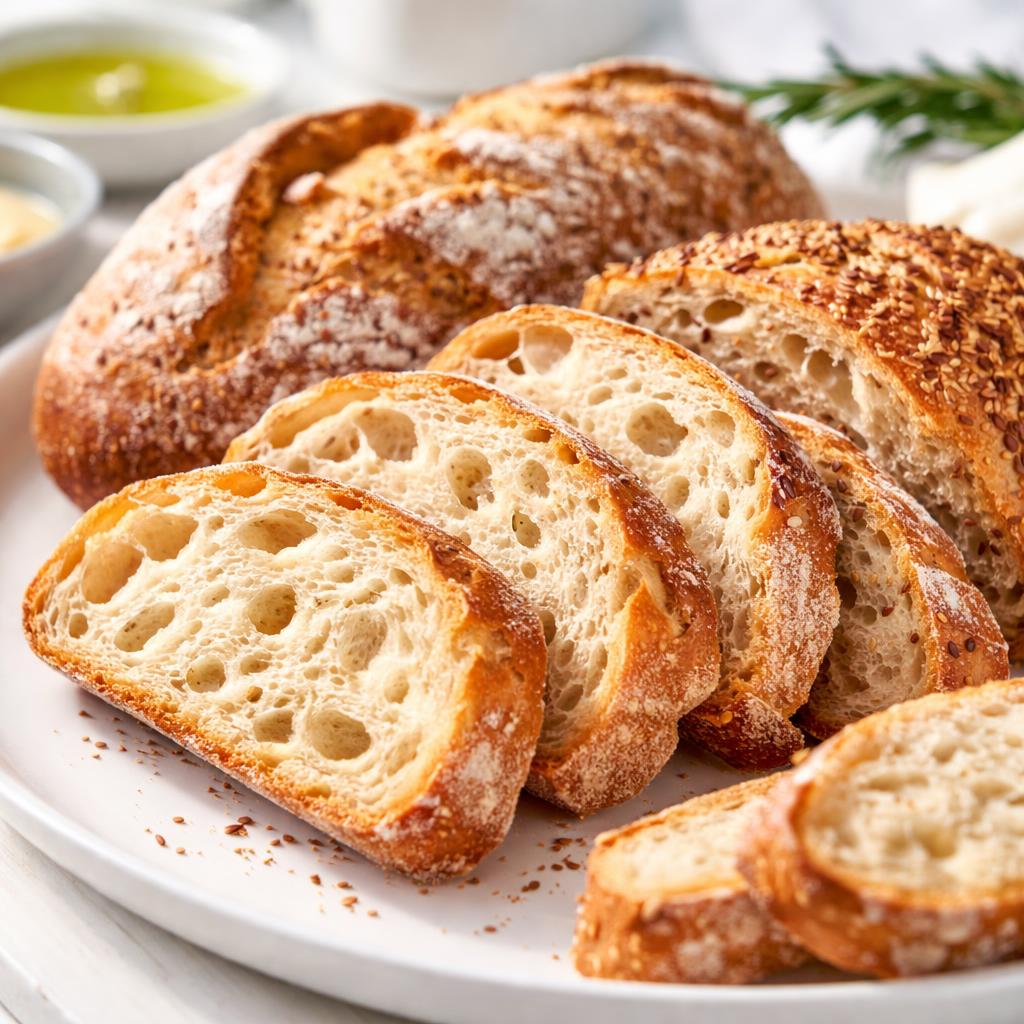
Bread

Bread With Spread
🎯 Quick Verdict
Bread is lower in calories and slightly higher in fiber, making it a better option for weight-conscious individuals. Bread with spread, while higher in calories and fat, provides additional vitamins, minerals, and healthy fats, making it ideal for nutrient density or sustained energy needs.

Smart Nutrition Tracking with SnapCalorie

📊 Nutritional Comparison
Macronutrients
| Nutrient | Food 1 | Food 2 | Winner |
|---|---|---|---|
| Calories | 80 per slice | 150 per slice | ✓ |
| Protein | 3g | 3g | − |
| Carbs | 14g | 14g | − |
| Fat | 1g | 8g | ✓ |
| Fiber | 1g | 0.5g | ✓ |
Vitamins & Minerals
| Nutrient | Food 1 | Food 2 | Winner |
|---|---|---|---|
| Vitamin D | 0mcg | 1mcg | ✓ |
| Calcium | 50mg | 70mg | ✓ |
| Iron | 1mg | 0.5mg | ✓ |
🏆 Category Winners
Protein
Both food1 and food2 contain equal protein per serving.
Fiber
Bread contains double the fiber content compared to bread with spread.
Calories
Bread has 47% fewer calories compared to bread with spread.
🥗 Diet Compatibility
Keto
Food 1: Not Compatible
Food 2: Not Compatible
Both are high in carbs, which is unsuitable for ketogenic diets.
Vegan
Food 1: Compatible
Food 2: Depends on the spread
Bread is generally vegan-friendly, while spreads may contain animal-derived ingredients.
Gluten Free
Food 1: Not Compatible
Food 2: Not Compatible
Bread and standard spreads often contain gluten.
Paleo
Food 1: Not Compatible
Food 2: Not Compatible
Both foods rely on processed ingredients unsuitable for a Paleo diet.
Low Carb
Food 1: Not Compatible
Food 2: Not Compatible
Both foods are carb-dense and unsuitable for low-carb diets.
💪 Health Benefits Comparison
Food 1 Benefits
- Lower in calories for weight management
- Provides dietary fiber for improved digestion
- Source of iron for maintaining healthy red blood cells
Food 2 Benefits
- Includes healthy fats for better heart health
- Offers more vitamin D for bone health
- Higher calcium content for strong teeth and bones
✅ The Bottom Line
Choose bread if you're aiming for lower calories and higher fiber, ideal for weight management. Bread with spread is better for obtaining healthy fats and additional vitamins and minerals, making it suitable for those needing nutrient density or sustained energy.
Choose Food 1 for: Weight management, higher fiber intake, simple carbohydrate source
Choose Food 2 for: Heart health, nutrient density, sustained energy


