Bread VS Black Pepper
A detailed nutritional comparison
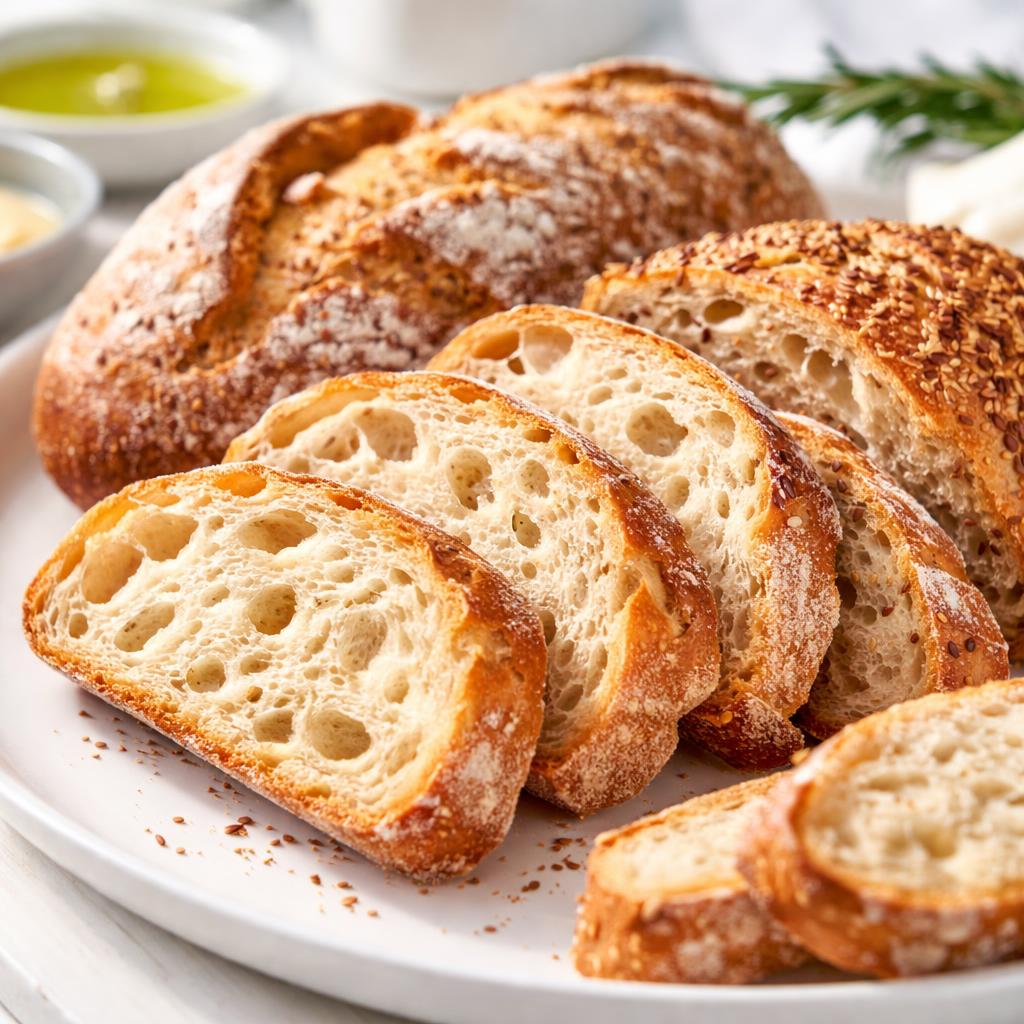
Bread
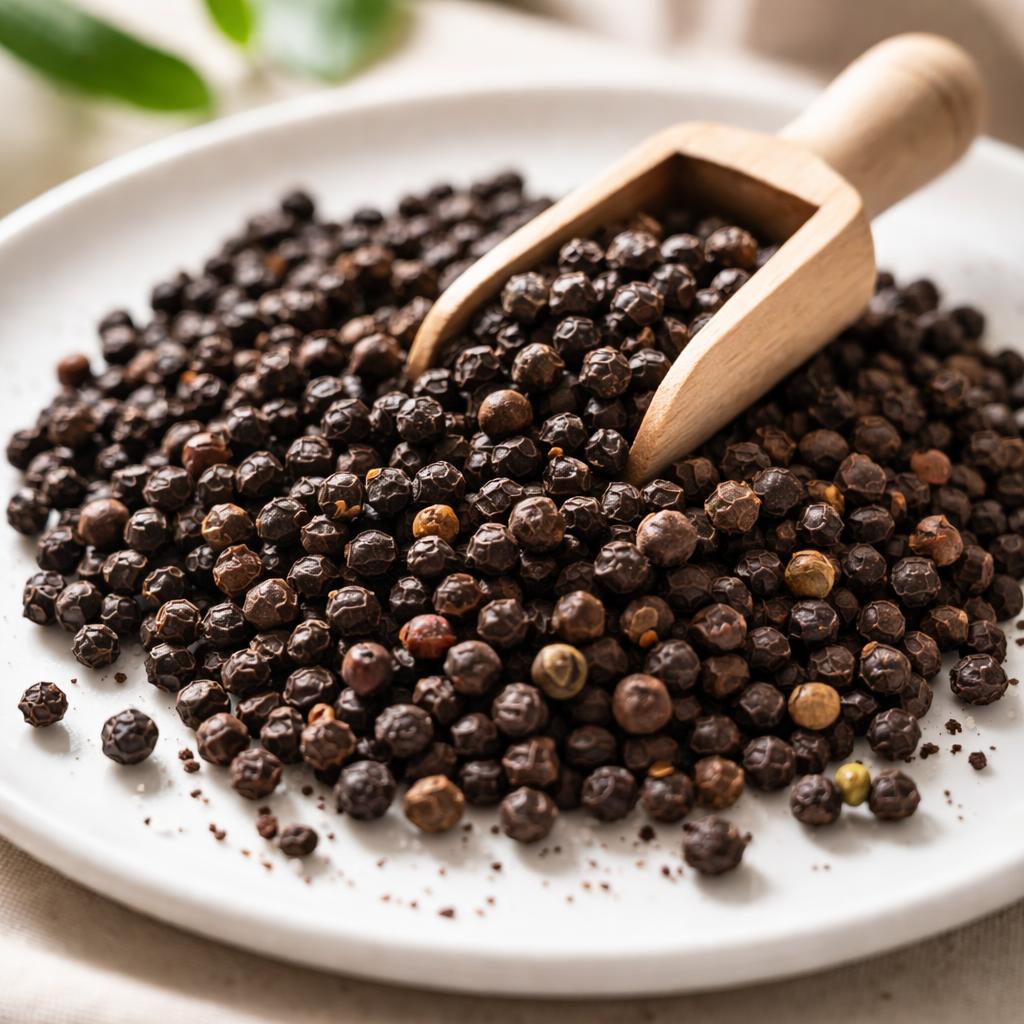
Black Pepper
🎯 Quick Verdict
Bread provides more protein, fiber, and energy, making it suitable for meals requiring sustained energy. Black pepper, while very low in calories, offers potent antioxidants and adds flavor without contributing significant nutrients; it is more of a condiment than a primary food source.

Smart Nutrition Tracking with SnapCalorie

📊 Nutritional Comparison
Macronutrients
| Nutrient | Food 1 | Food 2 | Winner |
|---|---|---|---|
| Calories | 265 per slice (43g) | 5 per tsp (2g) | ✓ |
| Protein | 6g | 0.2g | ✓ |
| Carbs | 49g | 1.3g | ✓ |
| Fat | 1g | 0.2g | ✓ |
| Fiber | 2g | 0.6g | ✓ |
Vitamins & Minerals
| Nutrient | Food 1 | Food 2 | Winner |
|---|---|---|---|
| Vitamin D | 0mcg | 0mcg | − |
| Calcium | 80mg | 12mg | ✓ |
| Iron | 3mg | 0.5mg | ✓ |
🏆 Category Winners
Protein
Bread contains significantly more protein than black pepper.
Fiber
Bread offers 2g of fiber compared to 0.6g in black pepper.
Calories
Black pepper is drastically lower in calories.
🥗 Diet Compatibility
Keto
Food 1: Not Compatible
Food 2: Compatible
Bread is high-carb, while black pepper has negligible carbs.
Vegan
Food 1: Compatible
Food 2: Compatible
Both foods are plant-based.
Gluten Free
Food 1: Not Compatible
Food 2: Compatible
Bread typically contains gluten, while black pepper is gluten-free.
Paleo
Food 1: Not Compatible
Food 2: Compatible
Bread does not fit paleo guidelines, but black pepper does.
Low Carb
Food 1: Not Compatible
Food 2: Compatible
Bread is high in carbohydrates while black pepper is low-carb.
💪 Health Benefits Comparison
Food 1 Benefits
- Provides energy from carbohydrates, ideal for active individuals.
- Contains iron, which supports oxygen transport in the blood.
- Offers fiber for digestive health.
Food 2 Benefits
- Rich in antioxidants like piperine, which fights free radicals.
- Can improve digestion and nutrient absorption.
- Adds flavor without adding significant calories.
✅ The Bottom Line
Bread is a nutrient-dense staple option providing protein and energy, but is unsuitable for special diets like keto or low-carb. Black pepper is better for enhancing flavor, adding antioxidants, and being compatible with most diets, but lacks substantial macronutrients.
Choose Food 1 for: Meal bases, energy needs, general nutrition.
Choose Food 2 for: Flavor enhancement, antioxidants, low-calorie diets.


