Bread VS Balsamic Vinegar
A detailed nutritional comparison

Bread
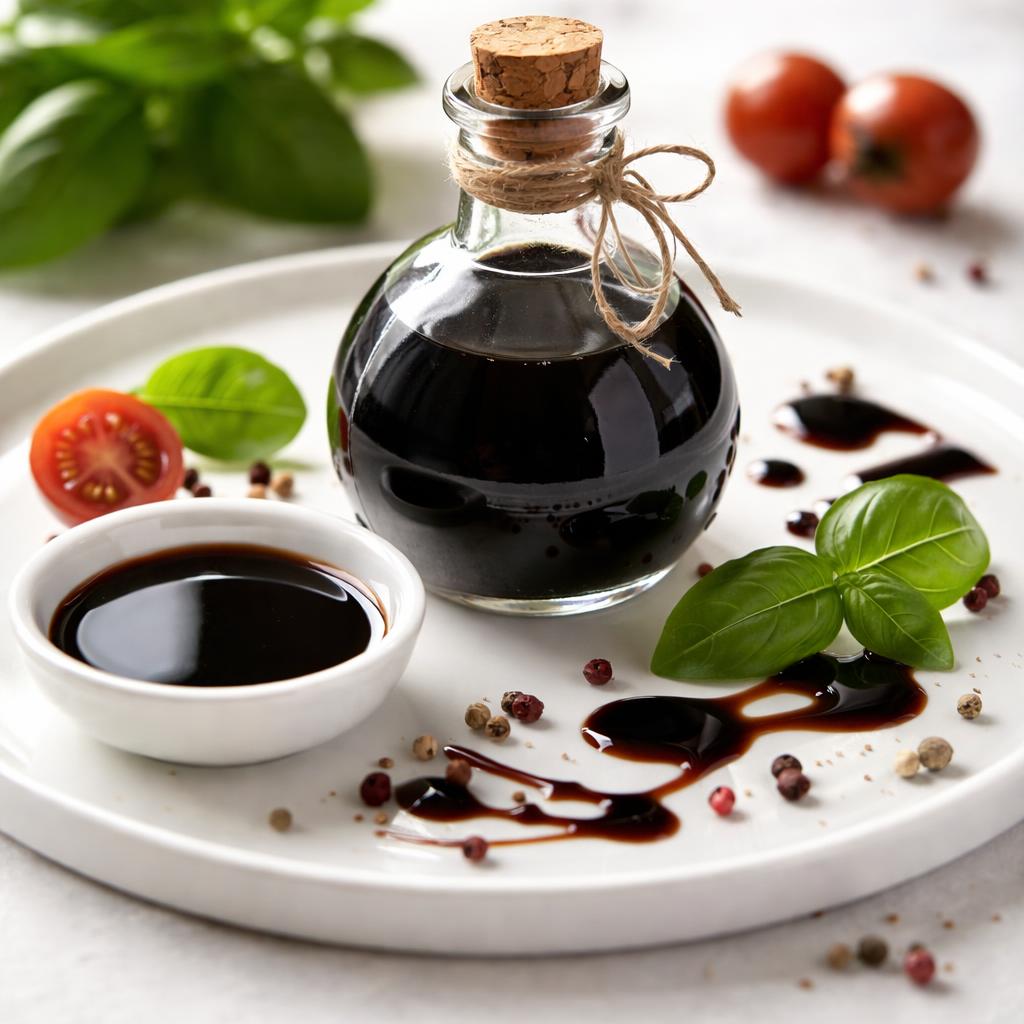
Balsamic Vinegar
🎯 Quick Verdict
Bread is a more substantial food, offering higher protein and fiber per serving, while balsamic vinegar is much lower in calories but provides minimal macros. Bread is best suited for energy and nutrients, while balsamic vinegar excels as a low-calorie flavor enhancer for various dishes.

Smart Nutrition Tracking with SnapCalorie

📊 Nutritional Comparison
Macronutrients
| Nutrient | Food 1 | Food 2 | Winner |
|---|---|---|---|
| Calories | 80 per slice (40g) | 14 per tablespoon (15ml) | ✓ |
| Protein | 3g | 0g | ✓ |
| Carbs | 15g | 3g | ✓ |
| Fat | 1g | 0g | ✓ |
| Fiber | 1g | 0g | ✓ |
Vitamins & Minerals
| Nutrient | Food 1 | Food 2 | Winner |
|---|---|---|---|
| Vitamin B6 | 0.03mg | 0mg | ✓ |
| Calcium | 15mg | 4mg | ✓ |
| Iron | 0.9mg | 0.04mg | ✓ |
🏆 Category Winners
Protein
Bread contains 3g of protein per slice compared to none in balsamic vinegar.
Fiber
Bread provides 1g of fiber per slice, while balsamic vinegar has none.
Calories
Balsamic vinegar is significantly lower in calories than bread.
🥗 Diet Compatibility
Keto
Food 1: Not Compatible
Food 2: Compatible
Bread is high in carbs, while balsamic vinegar is low-carb.
Vegan
Food 1: Compatible
Food 2: Compatible
Both foods are plant-based and vegan-friendly.
Gluten Free
Food 1: Not Compatible
Food 2: Compatible
Bread typically contains gluten unless specified as gluten-free.
Paleo
Food 1: Not Compatible
Food 2: Compatible
Bread is not paleo due to grains, while balsamic vinegar can be used in paleo diets.
Low-Carb
Food 1: Not Compatible
Food 2: Compatible
Bread is high in carbs, while balsamic vinegar fits low-carb macros.
💪 Health Benefits Comparison
Food 1 Benefits
- Provides energy due to its carbohydrate content
- Contains protein for muscle repair and maintenance
- Good source of fiber for digestion
- Provides trace amounts of minerals like iron and calcium
Food 2 Benefits
- Low-calorie option for weight management
- Contains antioxidants which may reduce inflammation
- Provides small amounts of minerals
- Can enhance the flavor of meals without adding significant calories
✅ The Bottom Line
Bread offers more nutritional value overall, including protein, fiber, and essential minerals, making it ideal for energy and meal sustenance. Balsamic vinegar is best used as a flavorful, low-calorie condiment or dressing for those watching calories or following keto or paleo diets.
Choose Food 1 for: Energy, meal sustenance, sandwiches, general nutrition
Choose Food 2 for: Low-calorie diets, keto-friendly meals, flavor enhancement without extra calories


