Bread Slices VS Rice With Meat
A detailed nutritional comparison
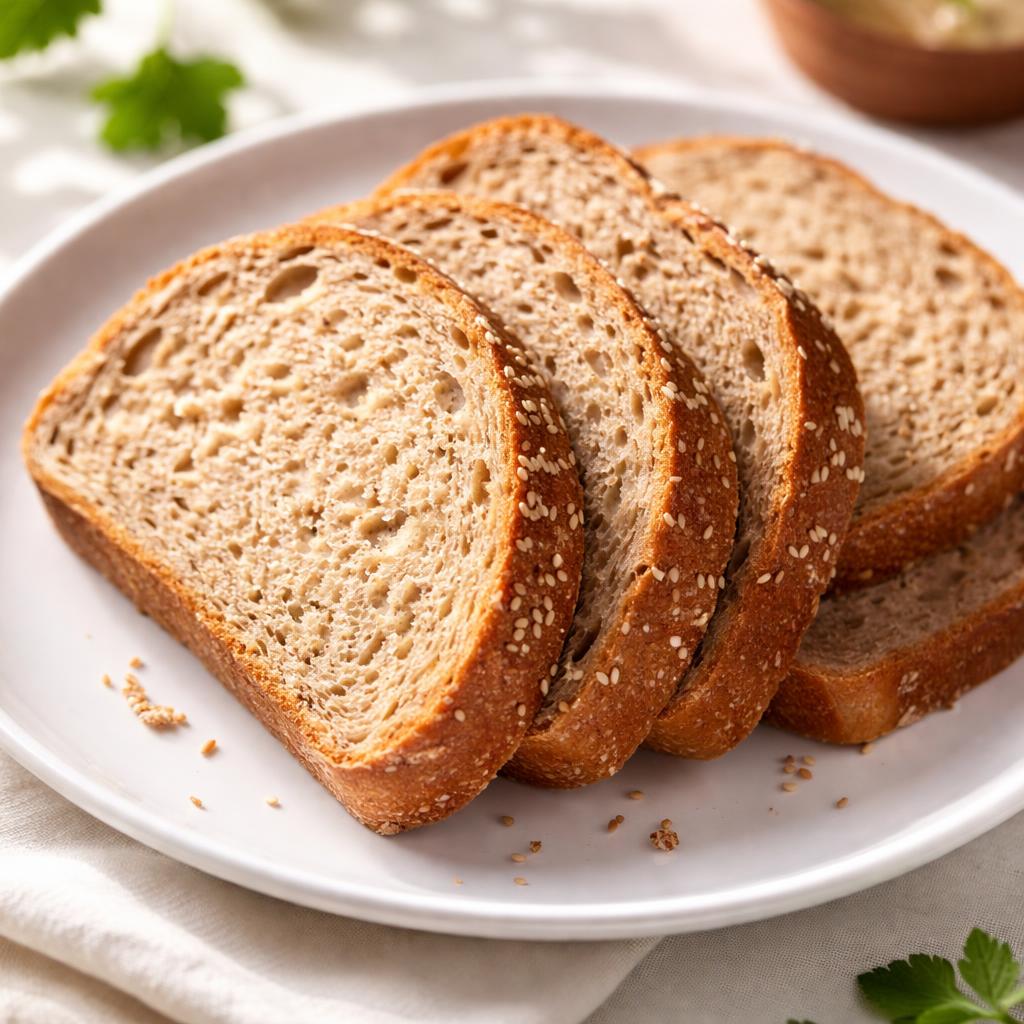
Bread Slices
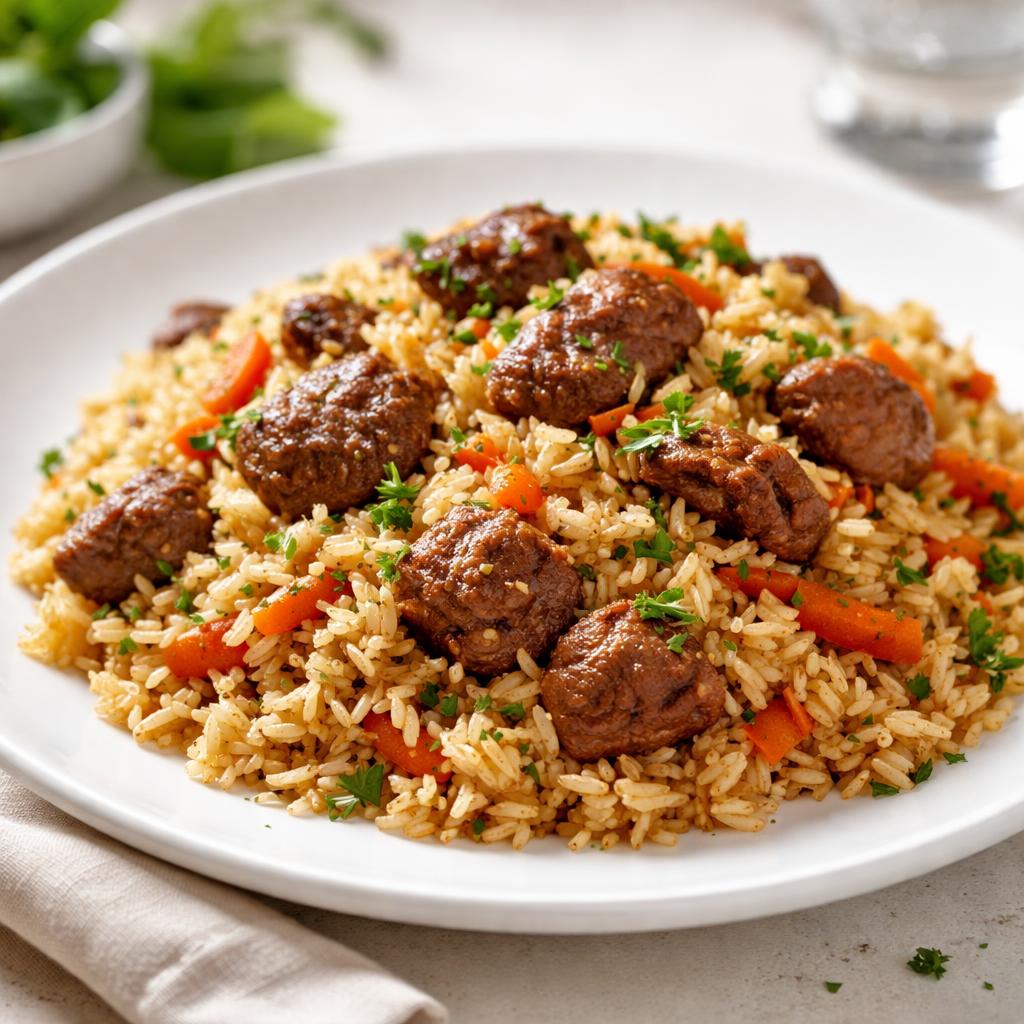
Rice With Meat
🎯 Quick Verdict
Bread slices are lower in calories and contain more fiber, making them a good choice for weight loss and digestive health. Rice with meat is higher in protein, essential vitamins, and minerals, making it ideal for muscle growth and overall nutrient density. Both foods serve distinct nutritional purposes based on dietary goals.

Smart Nutrition Tracking with SnapCalorie

📊 Nutritional Comparison
Macronutrients
| Nutrient | Food 1 | Food 2 | Winner |
|---|---|---|---|
| Calories | − | ||
| Protein | − | ||
| Carbs | − | ||
| Fat | − | ||
| Fiber | − |
Vitamins & Minerals
| Nutrient | Food 1 | Food 2 | Winner |
|---|---|---|---|
| Vitamin B6 | − | ||
| Vitamin D | − | ||
| Iron | − | ||
| Magnesium | − |
🏆 Category Winners
Protein
Rice with meat has three times more protein, supporting muscle growth and recovery.
Fiber
Bread slices provide three times more fiber, aiding digestion and gut health.
Calories
Bread slices are 40% lower in calories, better for calorie control.
Vitamins
Rice with meat offers more diverse and concentrated essential vitamins like B6 and D.
🥗 Diet Compatibility
Keto
Food 1: Unknown
Food 2: Unknown
Both foods have too many carbs to be keto-friendly.
Vegan
Food 1: Unknown
Food 2: Unknown
Bread slices are plant-based, while rice with meat includes animal protein.
Gluten Free
Food 1: Unknown
Food 2: Unknown
Bread slices typically contain gluten unless specifically labeled gluten-free.
Paleo
Food 1: Unknown
Food 2: Unknown
Bread slices are processed grains, and rice typically does not qualify for paleo diets.
Low-Carb
Food 1: Unknown
Food 2: Unknown
Both foods are moderate-to-high in carbs.
💪 Health Benefits Comparison
Food 1 Benefits
Food 2 Benefits
✅ The Bottom Line
Bread slices are a better choice for weight loss and digestive health due to their lower calorie count and higher fiber. Rice with meat is ideal for those needing higher protein and nutrient density, supporting recovery and overall health.


