Bread Slice VS Toasted Bread
A detailed nutritional comparison
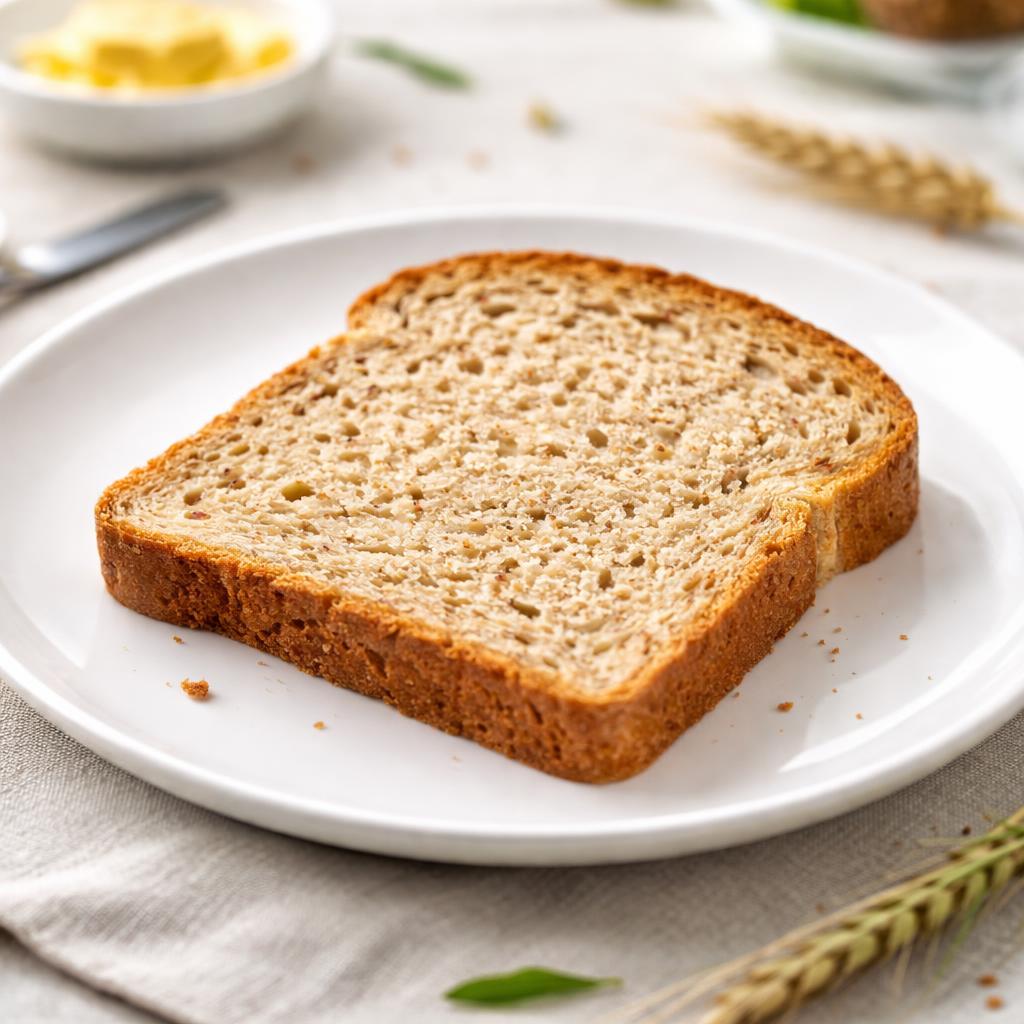
Bread Slice
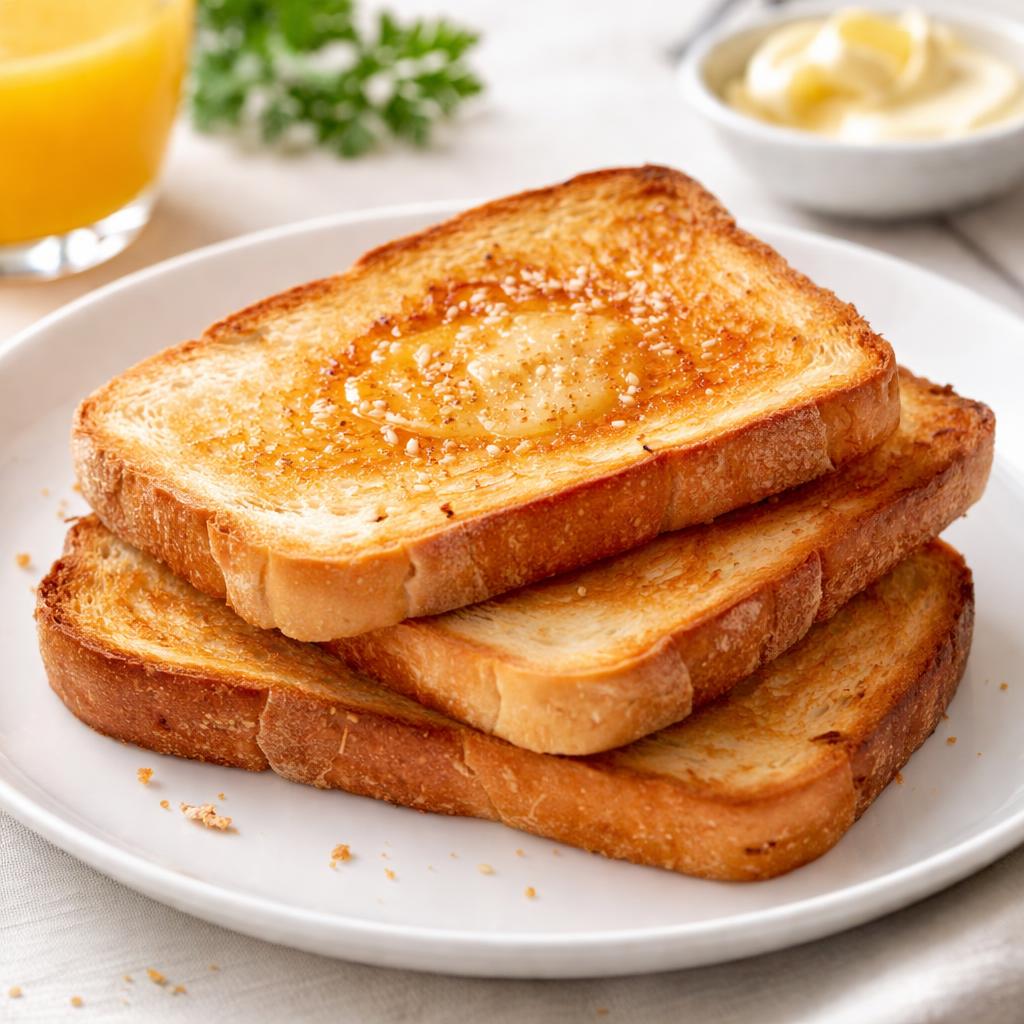
Toasted Bread
🎯 Quick Verdict
Bread slice (food1) and toasted bread (food2) are nutritionally very similar because they are essentially the same product, with toasting altering moisture content but not nutrient levels. Toasted bread has slightly less water weight, which slightly increases the concentration of nutrients per gram, but overall they are interchangeable for most uses.

Smart Nutrition Tracking with SnapCalorie

📊 Nutritional Comparison
Macronutrients
| Nutrient | Food 1 | Food 2 | Winner |
|---|---|---|---|
| Calories | 79 | 80 | ✓ |
| Protein | 2.9g | 2.9g | − |
| Carbs | 14.7g | 14.7g | − |
| Fat | 0.8g | 0.9g | ✓ |
| Fiber | 0.9g | 0.9g | − |
Vitamins & Minerals
| Nutrient | Food 1 | Food 2 | Winner |
|---|---|---|---|
| Vitamin D | 0mcg | 0mcg | − |
| Calcium | 51mg | 51mg | − |
| Iron | 1.1mg | 1.1mg | − |
🏆 Category Winners
Protein
Both have equal amounts of protein.
Fiber
Both foods provide 0.9g of fiber per serving.
Calories
Bread slice has 1 fewer calorie than toasted bread due to minimal dehydration during toasting.
🥗 Diet Compatibility
Keto
Food 1: Not Compatible
Food 2: Not Compatible
Both are high in carbohydrates, not suitable for keto.
Vegan
Food 1: Compatible
Food 2: Compatible
Both are typically made without animal products and are vegan-friendly.
Gluten Free
Food 1: Not Compatible
Food 2: Not Compatible
Standard bread and toasted bread contain gluten unless specifically gluten-free.
Paleo
Food 1: Not Compatible
Food 2: Not Compatible
Grains are not allowed on a paleo diet.
Low-Carb
Food 1: Not Compatible
Food 2: Not Compatible
Both have over 14g of carbohydrates per slice, which is not considered low in carbs.
💪 Health Benefits Comparison
Food 1 Benefits
- Provides quick energy due to carbohydrate content
- Source of small amounts of iron for oxygen transport
- Low in fat for calorie-conscious diets
Food 2 Benefits
- Easier to digest for some individuals due to minimal moisture
- Provides a crunchy texture for oral satisfaction
- Similar nutritional benefits to bread with slightly drier consistency
✅ The Bottom Line
Bread and toasted bread are nearly identical in nutritional value. Choose bread for a softer texture or toasted bread for a crunchy alternative. Use toasted bread for better shelf stability and compatibility with spreads that benefit from a firmer base.
Choose Food 1 for: General snacking, quick sandwiches, softness preference
Choose Food 2 for: Crunchy sandwiches, spreads, or as a crispy side dish


