Bread Slice VS Rice With Meat
A detailed nutritional comparison
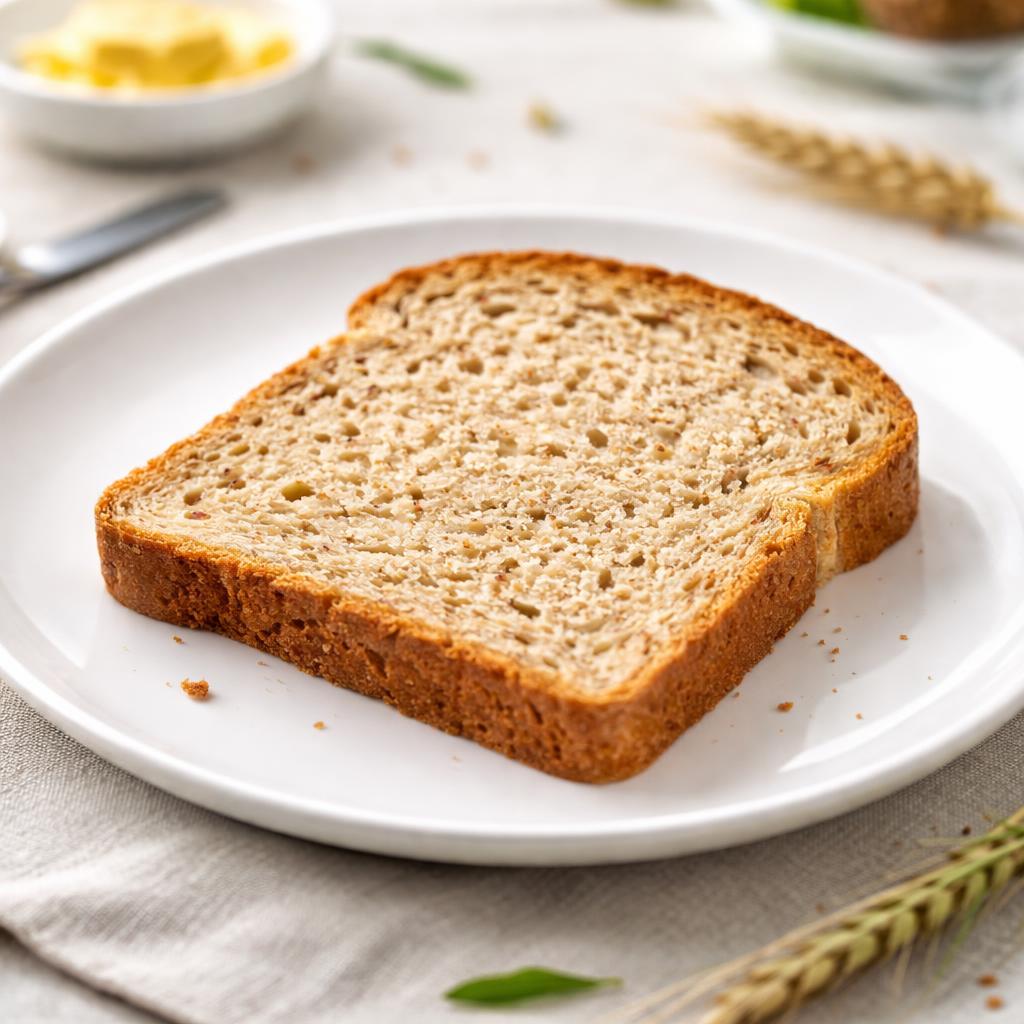
Bread Slice
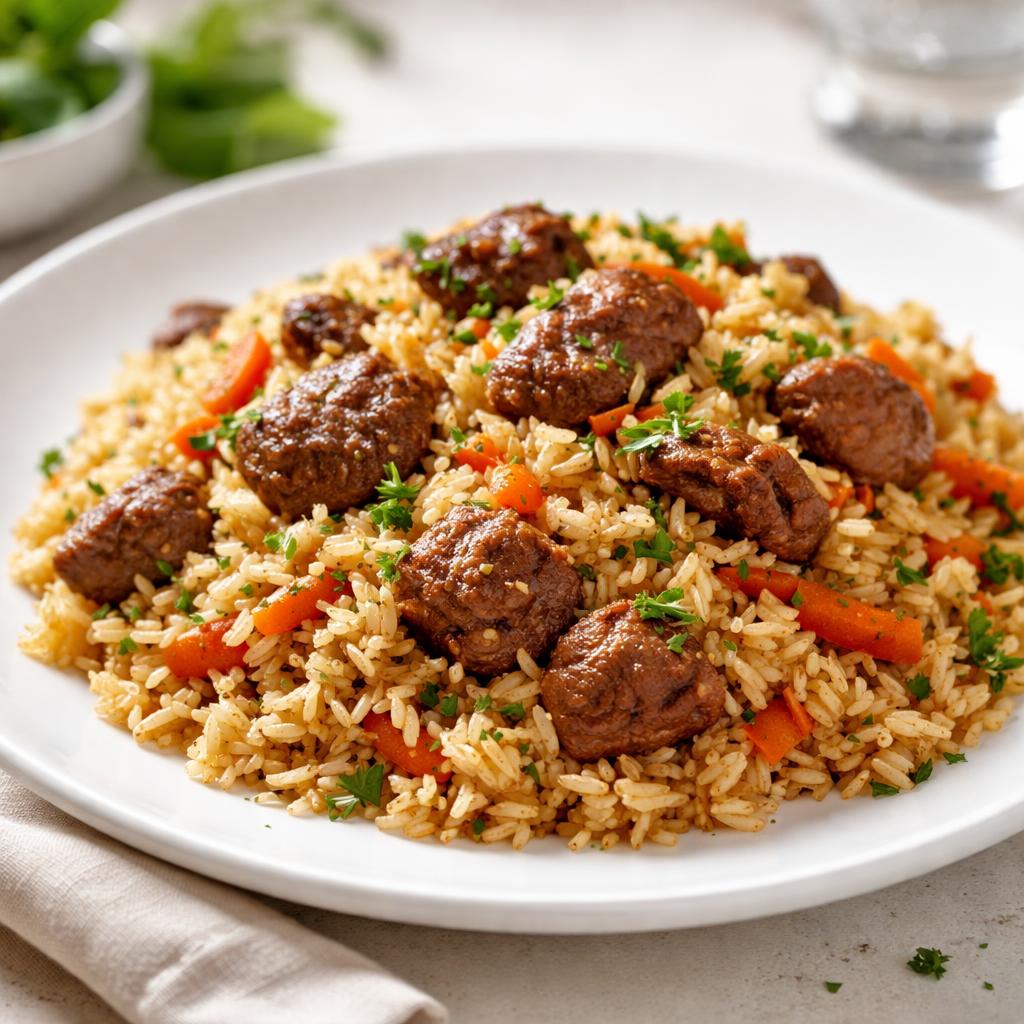
Rice With Meat
🎯 Quick Verdict
A single slice of bread (food1) is lower in calories, higher in fiber, and provides a moderate amount of carbs, making it suitable for light meals or snacks. Rice with meat (food2) is much higher in protein and overall nutrient density, providing substantial energy and vitamins, ideal for satiating meals or post-workout recovery. Both have distinct purposes depending on dietary priorities such as weight control or muscle-building goals.

Smart Nutrition Tracking with SnapCalorie

📊 Nutritional Comparison
Macronutrients
| Nutrient | Food 1 | Food 2 | Winner |
|---|---|---|---|
| Calories | 80 | 350 | ✓ |
| Protein | 2g | 18g | ✓ |
| Carbs | 15g | 40g | ✓ |
| Fat | 1g | 12g | ✓ |
| Fiber | 1.5g | 0.5g | ✓ |
Vitamins & Minerals
| Nutrient | Food 1 | Food 2 | Winner |
|---|---|---|---|
| Vitamin D | 0mcg | 2mcg | ✓ |
| Calcium | 30mg | 20mg | ✓ |
| Iron | 0.5mg | 2mg | ✓ |
🏆 Category Winners
Protein
Food2 contains substantially more protein due to the meat content.
Fiber
Food1 provides triple the fiber compared to food2.
Calories
Food1 is lower in calories, providing roughly 77% fewer calories per serving.
Vitamins
Food2 delivers more diverse vitamins such as Vitamin D and Iron.
🥗 Diet Compatibility
Keto
Food 1: Not Compatible
Food 2: Not Compatible
Both are high-carb, exceeding keto-friendly limits.
Vegan
Food 1: Compatible
Food 2: Not Compatible
Food2 contains meat and is not suitable for a vegan diet.
Gluten Free
Food 1: Not Compatible
Food 2: Compatible
Food1 contains gluten while food2 does not.
Paleo
Food 1: Not Compatible
Food 2: Compatible
Food1 includes processed grains, making it unsuitable for paleo diets.
Low-Carb
Food 1: Not Compatible
Food 2: Not Compatible
Both exceed recommended carb limits for low-carb diets.
💪 Health Benefits Comparison
Food 1 Benefits
- Low-calorie option for weight control
- Contains dietary fiber for digestive health
- Provides a quick source of energy from carbs
Food 2 Benefits
- High protein content supports muscle growth and repair
- Rich in iron, promoting healthy blood circulation
- Contains healthy fats for sustained energy and satiety
✅ The Bottom Line
Choose food1 for lower-calorie, fiber-rich snacking or light meals, especially if managing weight or digestive health. Opt for food2 when higher protein and nutrient density are priorities, such as for muscle recovery, filling meals, or long-lasting energy.
Choose Food 1 for: Weight control, small meals, light snacks
Choose Food 2 for: Muscle building, nutrient-dense meals, recovery periods


