Bread Slice VS Red Rice
A detailed nutritional comparison
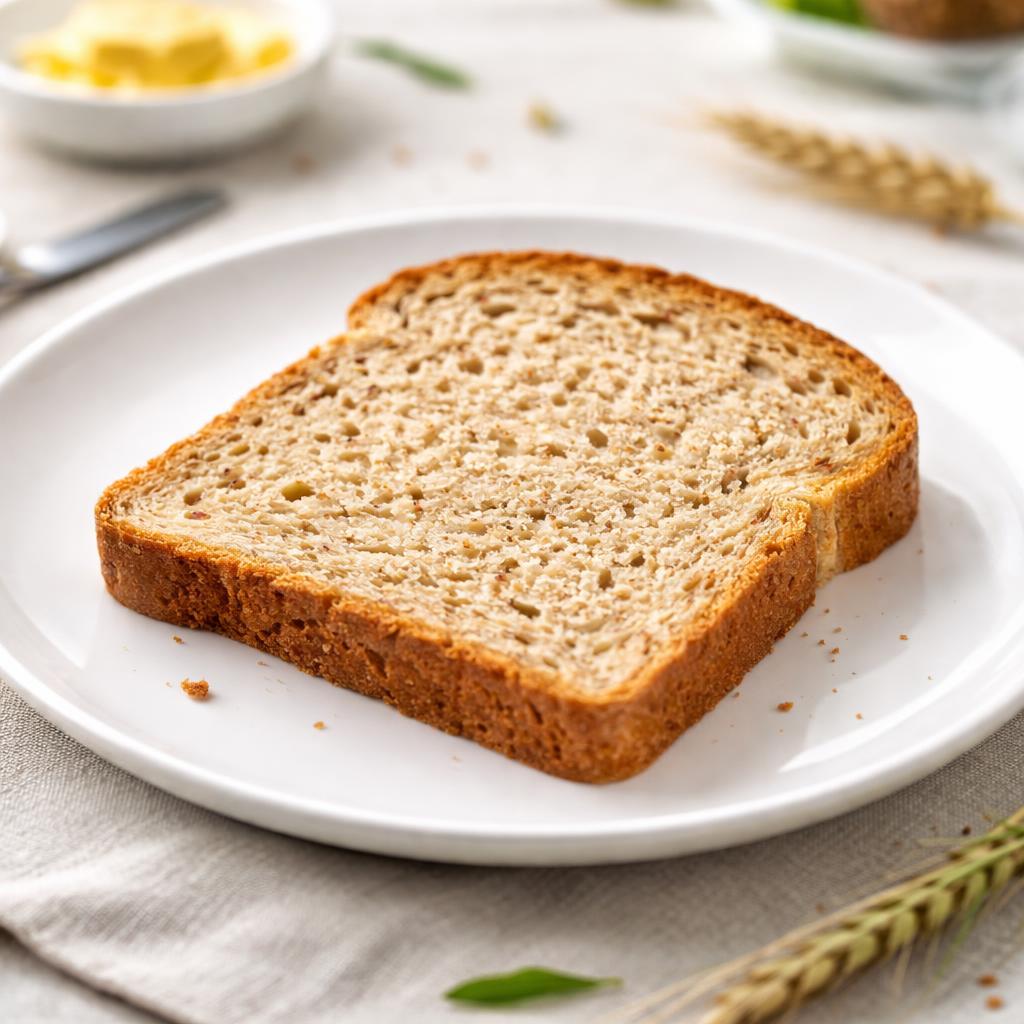
Bread Slice
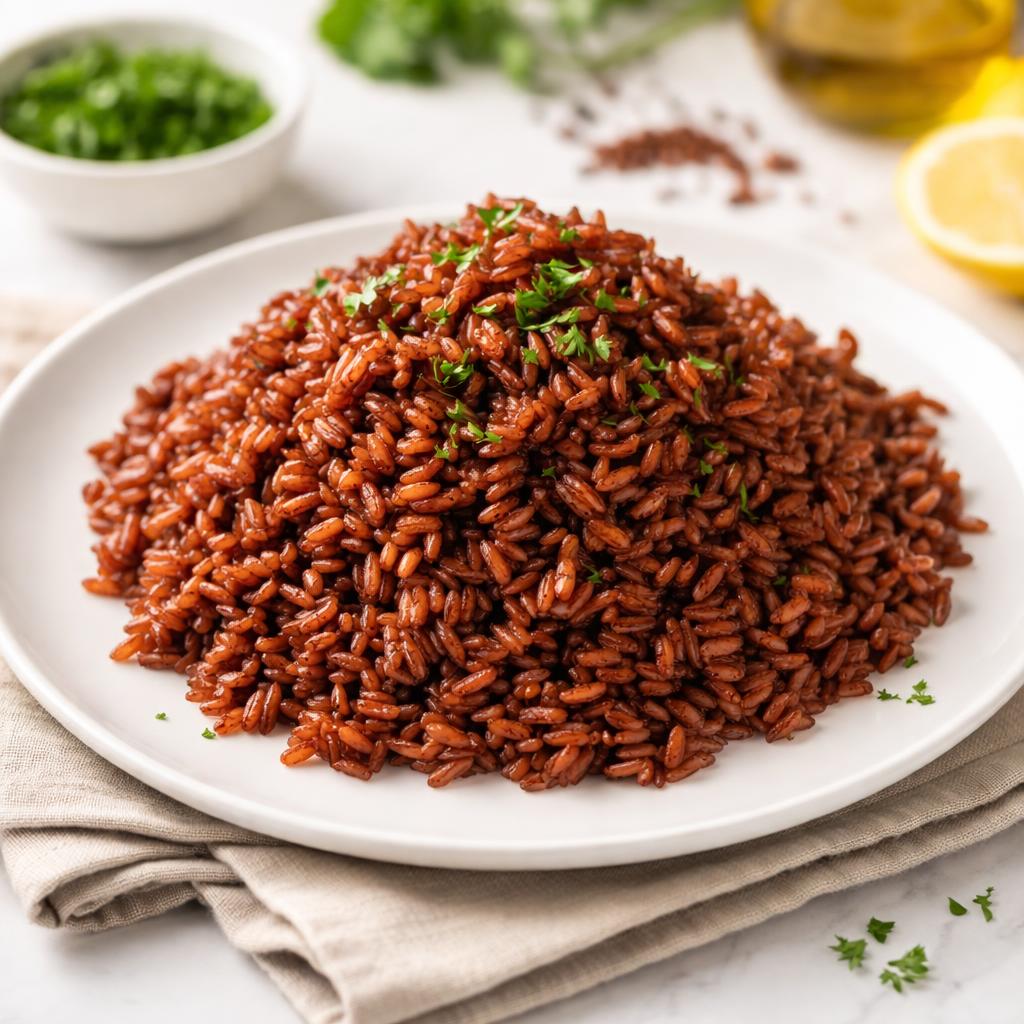
Red Rice
🎯 Quick Verdict
Bread and red rice differ significantly in their nutritional profiles. Bread is lower in calories and provides quicker energy due to higher carbohydrate content, while red rice outshines in fiber and micronutrients, and is also suitable for longer-lasting energy. Bread is practical for convenience and sandwiches, while red rice is better for nutrient density and promoting digestive health.

Smart Nutrition Tracking with SnapCalorie

📊 Nutritional Comparison
Macronutrients
| Nutrient | Food 1 | Food 2 | Winner |
|---|---|---|---|
| Calories | 70 per slice | 140 per 1/2 cup cooked | ✓ |
| Protein | 2g | 2g | − |
| Carbs | 13g | 30g | ✓ |
| Fat | 1g | 1g | − |
| Fiber | 1g | 2g | ✓ |
Vitamins & Minerals
| Nutrient | Food 1 | Food 2 | Winner |
|---|---|---|---|
| Vitamin D | 0mcg | 0mcg | − |
| Calcium | 30mg | 10mg | ✓ |
| Iron | 0.5mg | 1.5mg | ✓ |
🏆 Category Winners
Protein
Both contain 2g of protein per serving.
Fiber
Red rice contains 100% more fiber than bread per serving.
Calories
Bread has 50% fewer calories per serving compared to red rice.
Vitamins
Red rice wins due to higher iron content.
🥗 Diet Compatibility
Keto
Food 1: Not Compatible
Food 2: Not Compatible
Both are high in carbohydrates.
Vegan
Food 1: Compatible
Food 2: Compatible
Neither contains animal products.
Gluten Free
Food 1: Not Compatible
Food 2: Compatible
Bread contains gluten; red rice does not.
Paleo
Food 1: Not Compatible
Food 2: Compatible
Bread is processed and not paleo-friendly, while red rice is minimally processed and allowed.
Low Carb
Food 1: Not Compatible
Food 2: Not Compatible
Both foods are high in carbohydrates.
💪 Health Benefits Comparison
Food 1 Benefits
- Convenient source of energy for busy schedules
- Fortified with calcium for bone health
- Low calorie option for weight-conscious diets
Food 2 Benefits
- Rich in fiber for supporting digestive health
- Provides iron for improved oxygen transport in the body
- Slow digesting carbs for sustained energy throughout the day
✅ The Bottom Line
Bread is an excellent choice when prioritizing convenience, lower calories, and quick energy, whereas red rice is ideal for nutrient density, better digestion, and sustained energy. Bread works for quick snacks and sandwiches, while red rice fits into heartier meals and balanced diets.
Choose Food 1 for: Quick meals, weight loss diets, low-calorie snacks
Choose Food 2 for: Gut health, energy during long activities, anemia prevention


