Bread Rolls VS Whole Wheat Sandwich
A detailed nutritional comparison

Bread Rolls
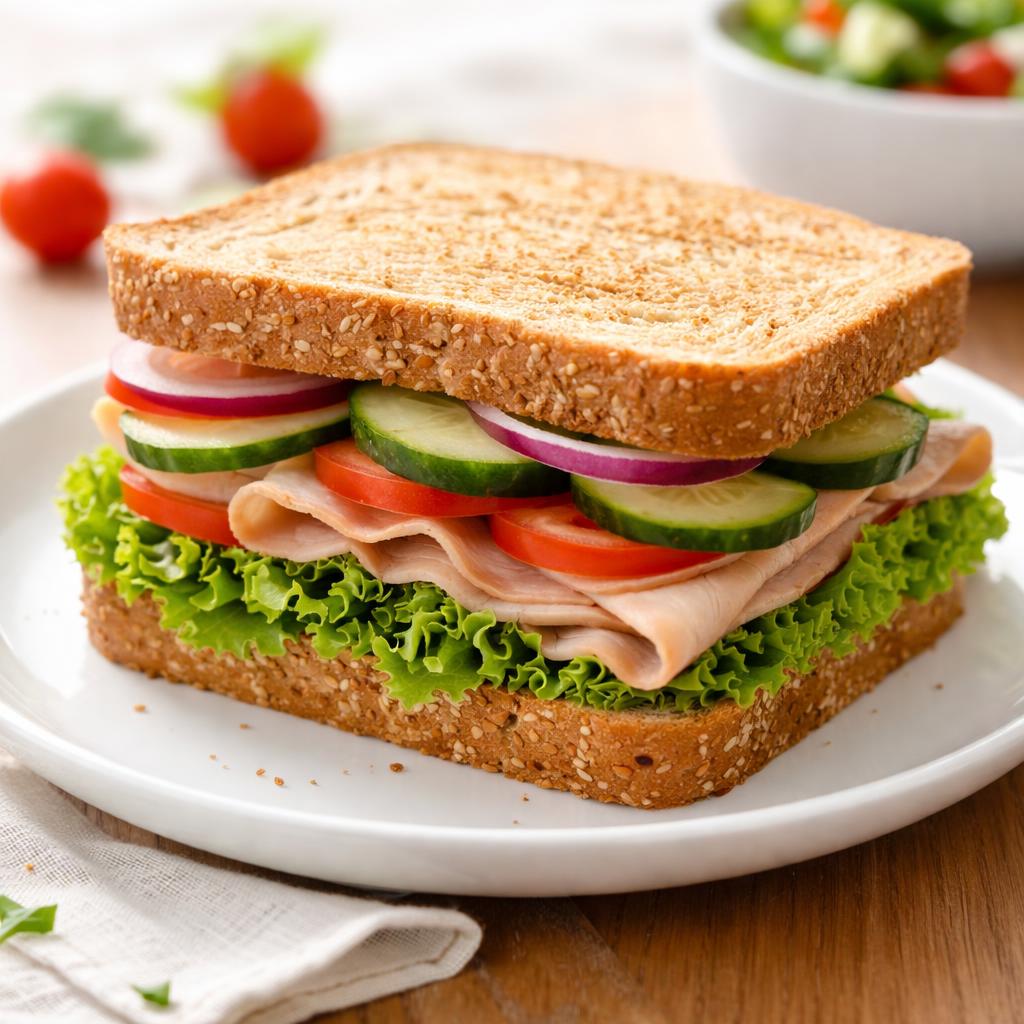
Whole Wheat Sandwich
🎯 Quick Verdict
Whole wheat sandwiches offer better overall nutritional benefits than bread rolls due to higher protein, fiber, and nutrient density, making them ideal for balanced diets. Bread rolls are lower in calories but offer less nutritional value, suitable for lighter meals or snacks.

Smart Nutrition Tracking with SnapCalorie

📊 Nutritional Comparison
Macronutrients
| Nutrient | Food 1 | Food 2 | Winner |
|---|---|---|---|
| Calories | 150 | 180 | ✓ |
| Protein | 4g | 8g | ✓ |
| Carbs | 26g | 30g | ✓ |
| Fat | 2g | 3g | ✓ |
| Fiber | 1g | 5g | ✓ |
Vitamins & Minerals
| Nutrient | Food 1 | Food 2 | Winner |
|---|---|---|---|
| Vitamin B6 | 0.02mg | 0.1mg | ✓ |
| Magnesium | 10mg | 40mg | ✓ |
| Iron | 1mg | 2.5mg | ✓ |
🏆 Category Winners
Protein
Food2 has double the protein per serving compared to food1.
Fiber
Food2 delivers five times more fiber than food1, aiding digestion.
Calories
Food1 has 17% fewer calories per serving than food2.
Vitamins
Food2 is richer in essential vitamins and minerals like B6, magnesium, and iron.
🥗 Diet Compatibility
Keto
Food 1: Not Compatible
Food 2: Not Compatible
Both are high-carb and not suitable for keto diets.
Vegan
Food 1: Compatible
Food 2: Compatible
Both foods are plant-based and suitable for a vegan diet.
Gluten Free
Food 1: Not Compatible
Food 2: Not Compatible
Both contain gluten due to wheat content.
Paleo
Food 1: Not Compatible
Food 2: Not Compatible
Neither food is paleo-friendly due to grain content.
Low-Carb
Food 1: Not Compatible
Food 2: Not Compatible
Both foods are too high in carbs for low-carb diets.
💪 Health Benefits Comparison
Food 1 Benefits
- Lower in calories for lighter meals or snacks
- Provides quick energy from carbohydrates
- Can be paired with other foods to enhance nutritional value
Food 2 Benefits
- Higher protein supports muscle maintenance and recovery
- Rich in fiber for improved digestion
- Provides essential vitamins and minerals like magnesium and iron
✅ The Bottom Line
Bread rolls are best for those seeking a lower-calorie option for snacks or lighter meals, but they lack significant nutritional depth. Whole wheat sandwiches are nutritionally superior, offering more protein, fiber, and key vitamins, ideal for balanced meals or post-workout recovery.
Choose Food 1 for: Snacks, lighter meals, quick energy
Choose Food 2 for: Balanced meals, muscle recovery, fiber-rich diets


