Bread Rolls VS Wheat Flour
A detailed nutritional comparison
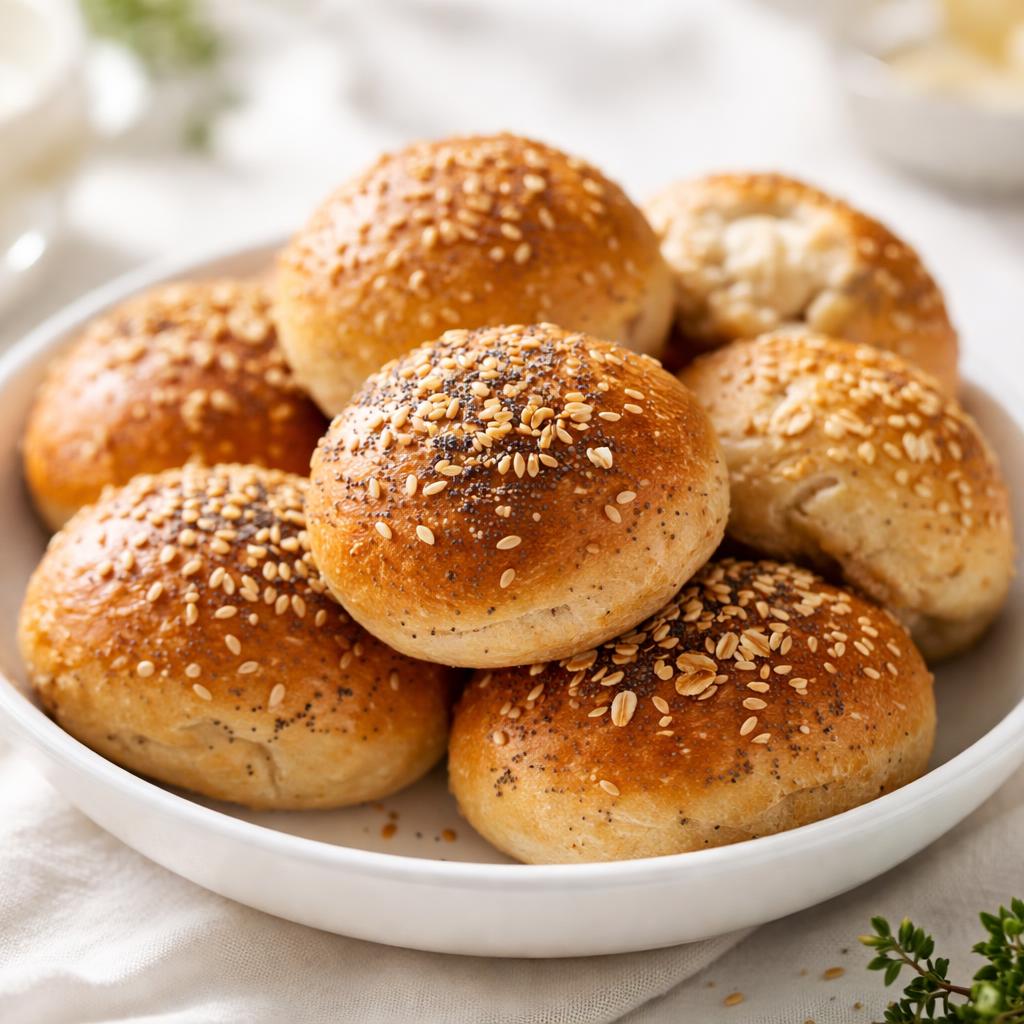
Bread Rolls
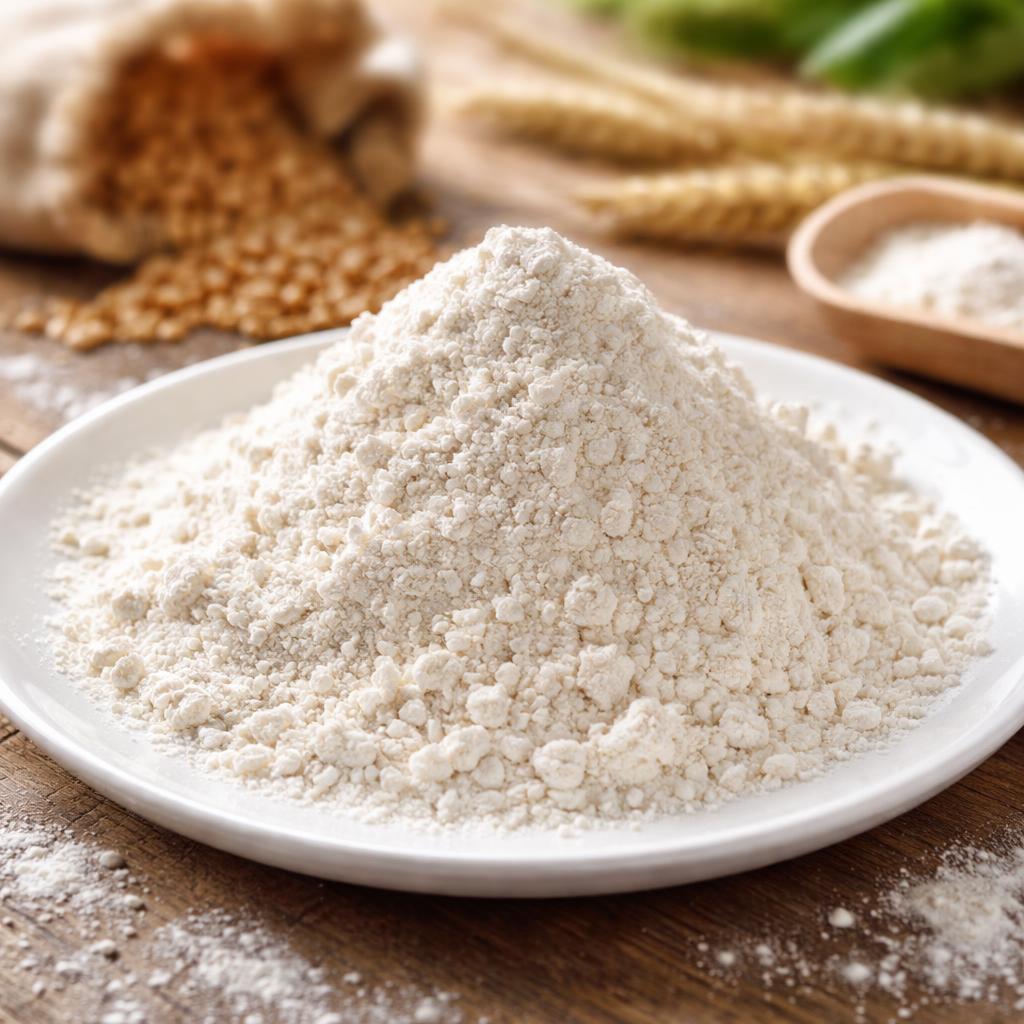
Wheat Flour
🎯 Quick Verdict
Wheat flour is nutritionally denser than bread rolls, offering higher protein, fiber, and lower calorie content per weight. Bread rolls are ready-to-eat and convenient, while wheat flour is versatile for recipes and ideal for homemade baking. Both can fit into plant-based or gluten-inclusive diets, with wheat flour being more nutrient-dense overall.

Smart Nutrition Tracking with SnapCalorie

📊 Nutritional Comparison
Macronutrients
| Nutrient | Food 1 | Food 2 | Winner |
|---|---|---|---|
| Calories | 270 per 100g | 340 per 100g | ✓ |
| Protein | 7g per 100g | 10g per 100g | ✓ |
| Carbs | 49g per 100g | 72g per 100g | ✓ |
| Fat | 4g per 100g | 1g per 100g | ✓ |
| Fiber | 2g per 100g | 10g per 100g | ✓ |
Vitamins & Minerals
| Nutrient | Food 1 | Food 2 | Winner |
|---|---|---|---|
| Vitamin B1 (Thiamin) | 0.30mg per 100g | 0.40mg per 100g | ✓ |
| Iron | 1.2mg per 100g | 5mg per 100g | ✓ |
| Magnesium | 20mg per 100g | 50mg per 100g | ✓ |
🏆 Category Winners
Protein
Wheat flour has 43% more protein compared to bread rolls.
Fiber
Wheat flour offers 5 times more fiber than bread rolls.
Calories
Bread rolls contain fewer calories per weight compared to wheat flour due to added water and processing.
Vitamins
Wheat flour is richer in key vitamins and minerals like iron and magnesium.
🥗 Diet Compatibility
Keto
Food 1: Not Compatible
Food 2: Not Compatible
Both are high in carbohydrates.
Vegan
Food 1: Compatible
Food 2: Compatible
Both are plant-based and vegan-friendly.
Gluten Free
Food 1: Not Compatible
Food 2: Not Compatible
Both contain gluten.
Paleo
Food 1: Not Compatible
Food 2: Not Compatible
Neither fits the paleo diet guidelines.
Low-Carb
Food 1: Not Compatible
Food 2: Not Compatible
Carbohydrate content is too high in both foods.
💪 Health Benefits Comparison
Food 1 Benefits
- Convenient and ready-to-eat for quick meals
- Provides energy from carbohydrates
- Contains small amounts of protein and fiber
Food 2 Benefits
- Higher fiber content supports digestion and gut health
- Rich in iron, helping to prevent anemia
- Source of plant-based protein for muscle repair
- Good for baking a variety of nutritious recipes
✅ The Bottom Line
Wheat flour is nutritionally superior in terms of protein, fiber, and micronutrients, ideal for homemade baking and nutrient-dense meals. Bread rolls are more convenient for immediate consumption but less nutrient-dense overall.
Choose Food 1 for: Convenience, quick energy, pre-made meals
Choose Food 2 for: Baking, boosting fiber intake, nutrient-dense cooking


