Bread Rolls VS Wheat Beer
A detailed nutritional comparison
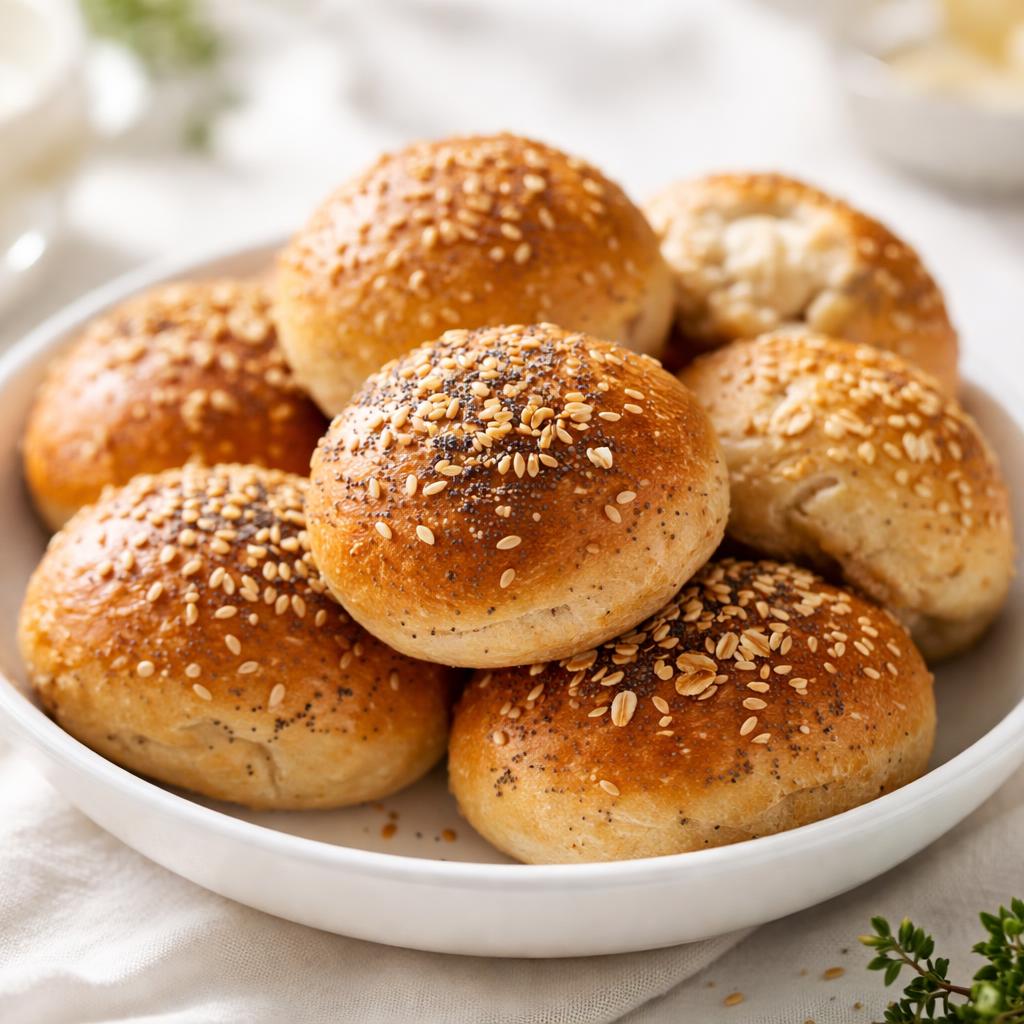
Bread Rolls

Wheat Beer
🎯 Quick Verdict
Bread rolls offer higher protein, fiber, and essential vitamins, making them more nutrient-dense than wheat beer. On the other hand, wheat beer has fewer calories and provides antioxidants but lacks protein and fiber. Bread rolls are better suited for sustained energy, while wheat beer is a lighter option for casual occasions.

Smart Nutrition Tracking with SnapCalorie

📊 Nutritional Comparison
Macronutrients
| Nutrient | Food 1 | Food 2 | Winner |
|---|---|---|---|
| Calories | 150 per roll (50g) | 110 per 12oz (355ml) | ✓ |
| Protein | 5g | 2g | ✓ |
| Carbs | 28g | 12g | ✓ |
| Fat | 2g | 0g | ✓ |
| Fiber | 3g | 0g | ✓ |
Vitamins & Minerals
| Nutrient | Food 1 | Food 2 | Winner |
|---|---|---|---|
| Vitamin B6 | 0.05mg | 0.07mg | ✓ |
| Niacin (B3) | 1.5mg | 0.9mg | ✓ |
| Folate | 50mcg | 18mcg | ✓ |
| Iron | 1mg | 0.5mg | ✓ |
| Magnesium | 15mg | 12mg | ✓ |
🏆 Category Winners
Protein
Bread rolls have 60% more protein per serving.
Fiber
Bread rolls provide significant fiber (3g per serving) compared to no fiber in wheat beer.
Calories
Wheat beer offers around 25% fewer calories per serving than bread rolls.
Vitamins
Bread rolls contain higher levels of folate, niacin, iron, and magnesium compared to wheat beer.
🥗 Diet Compatibility
Keto
Food 1: Not Compatible
Food 2: Not Compatible
Both foods are high in carbs.
Vegan
Food 1: Compatible
Food 2: Compatible
Neither food contains animal products.
Gluten Free
Food 1: Not Compatible
Food 2: Not Compatible
Both are made with gluten-containing grains.
Paleo
Food 1: Not Compatible
Food 2: Not Compatible
Neither food aligns with paleo dietary guidelines.
Low Carb
Food 1: Not Compatible
Food 2: Somewhat Compatible
Bread rolls are carb-heavy, while wheat beer is lower in carbs but still not considered low-carb.
💪 Health Benefits Comparison
Food 1 Benefits
- Higher in protein to support muscle health
- Rich in fiber for digestive health
- Contains folate and iron for improved blood health
- Provides sustained energy due to its carbohydrate content
Food 2 Benefits
- Lower in calories for lighter consumption
- Contains antioxidants from beer fermentation
- Good source of vitamin B6 for brain health
- Can promote relaxation in moderation
✅ The Bottom Line
If you prioritize nutrition, bread rolls are the better option due to more protein, fiber, and vitamins, making them ideal for balanced diets or as a meal component. Wheat beer is a lighter choice with fewer calories, suitable for occasional indulgence or social events.
Choose Food 1 for: Balanced meals, digestive health, energy boost
Choose Food 2 for: Light refreshments, social occasions, low-calorie options


