Bread Rolls VS Toasted Bread
A detailed nutritional comparison

Bread Rolls
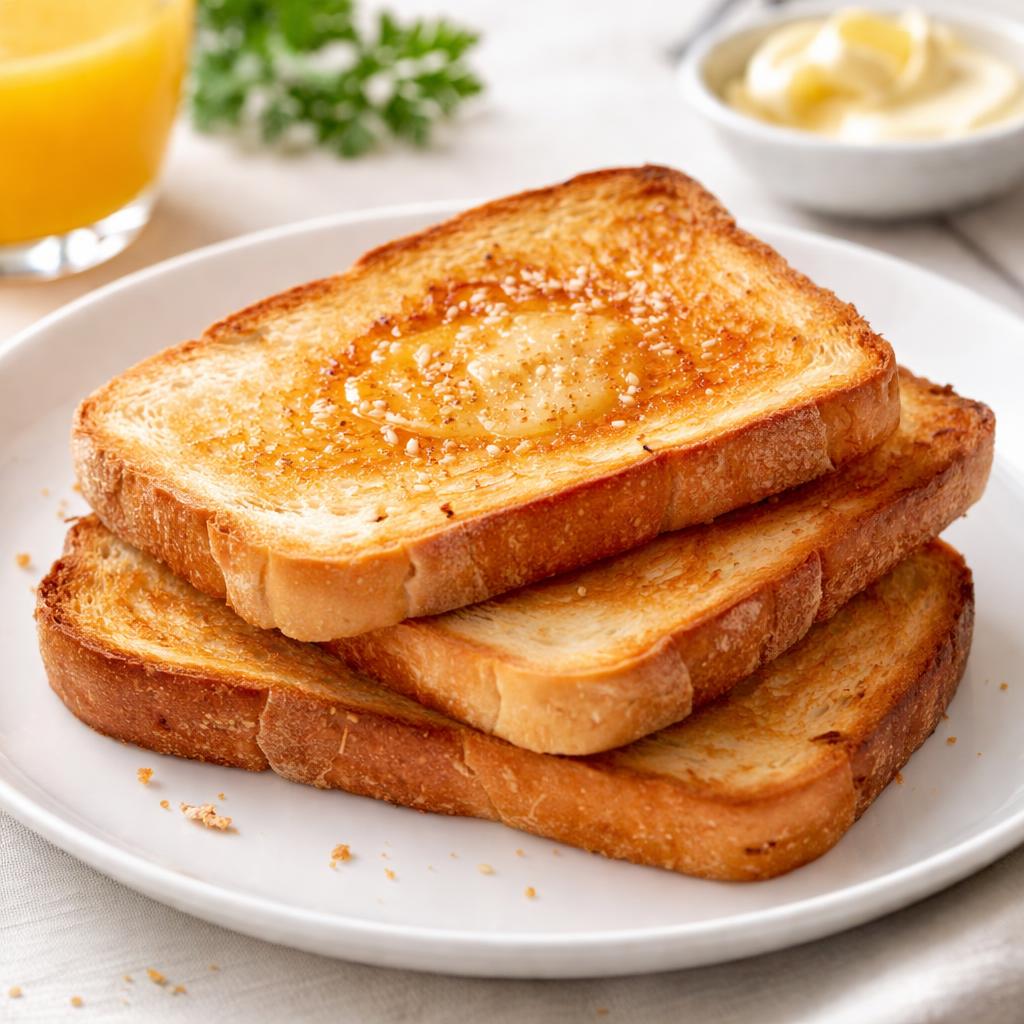
Toasted Bread
🎯 Quick Verdict
Toasted bread is generally lower in calories and slightly higher in fiber, making it a better option for calorie-conscious individuals. Bread rolls contain more carbs and are denser, which could be advantageous for energy needs but less ideal for weight loss goals. Both are similar in protein content and suitable for various diets like vegan and gluten-free, depending on preparation method.

Smart Nutrition Tracking with SnapCalorie

📊 Nutritional Comparison
Macronutrients
| Nutrient | Food 1 | Food 2 | Winner |
|---|---|---|---|
| Calories | 160 per roll (70g) | 80 per slice (35g) | ✓ |
| Protein | 5g | 5g | − |
| Carbs | 30g | 15g | ✓ |
| Fat | 2g | 1g | ✓ |
| Fiber | 1g | 2g | ✓ |
Vitamins & Minerals
| Nutrient | Food 1 | Food 2 | Winner |
|---|---|---|---|
| Vitamin B6 | 0.03mg | 0.05mg | ✓ |
| Vitamin E | 0.1mg | 0.2mg | ✓ |
| Iron | 1mg | 1.2mg | ✓ |
🏆 Category Winners
Protein
Both foods provide 5g of protein per serving.
Fiber
Toasted bread contains 2g of fiber, double that of bread rolls.
Calories
Toasted bread has half the calories compared to bread rolls per serving.
Vitamins
Food2 provides slightly higher levels of Vitamin B6, Vitamin E, and Iron.
🥗 Diet Compatibility
Keto
Food 1: Not compatible
Food 2: Not compatible
Both are high in carbs and unsuitable for ketogenic diets.
Vegan
Food 1: Compatible
Food 2: Compatible
Both foods are plant-based when prepared without animal products.
Gluten Free
Food 1: Depends
Food 2: Depends
Neither food is naturally gluten-free unless made with gluten-free flour.
Paleo
Food 1: Not compatible
Food 2: Not compatible
Neither food adheres to paleo principles as processed grains are used.
Low-Carb
Food 1: Not compatible
Food 2: More compatible
Food2 has fewer carbs compared to Food1 but is still relatively carb-heavy.
💪 Health Benefits Comparison
Food 1 Benefits
- Provides quick energy due to higher carb content
- Source of iron for oxygen transport in the body
- Comfort food suitable for dense preparations like sandwiches
Food 2 Benefits
- Lower calorie option ideal for weight management
- Higher fiber content for digestive health
- Rich in micronutrients like Vitamin B6 and iron for overall wellness
✅ The Bottom Line
Toasted bread is the better choice for those looking to reduce calories and increase fiber intake, making it ideal for weight loss or digestive health. Bread rolls, with their higher carb content, are better suited for energy-intensive activities or filling meals like burgers and sliders.
Choose Food 1 for: Energy needs, sandwiches, comfort meals
Choose Food 2 for: Weight management, fiber intake, light meals


