Bread Rolls VS Sour Dough Bread
A detailed nutritional comparison
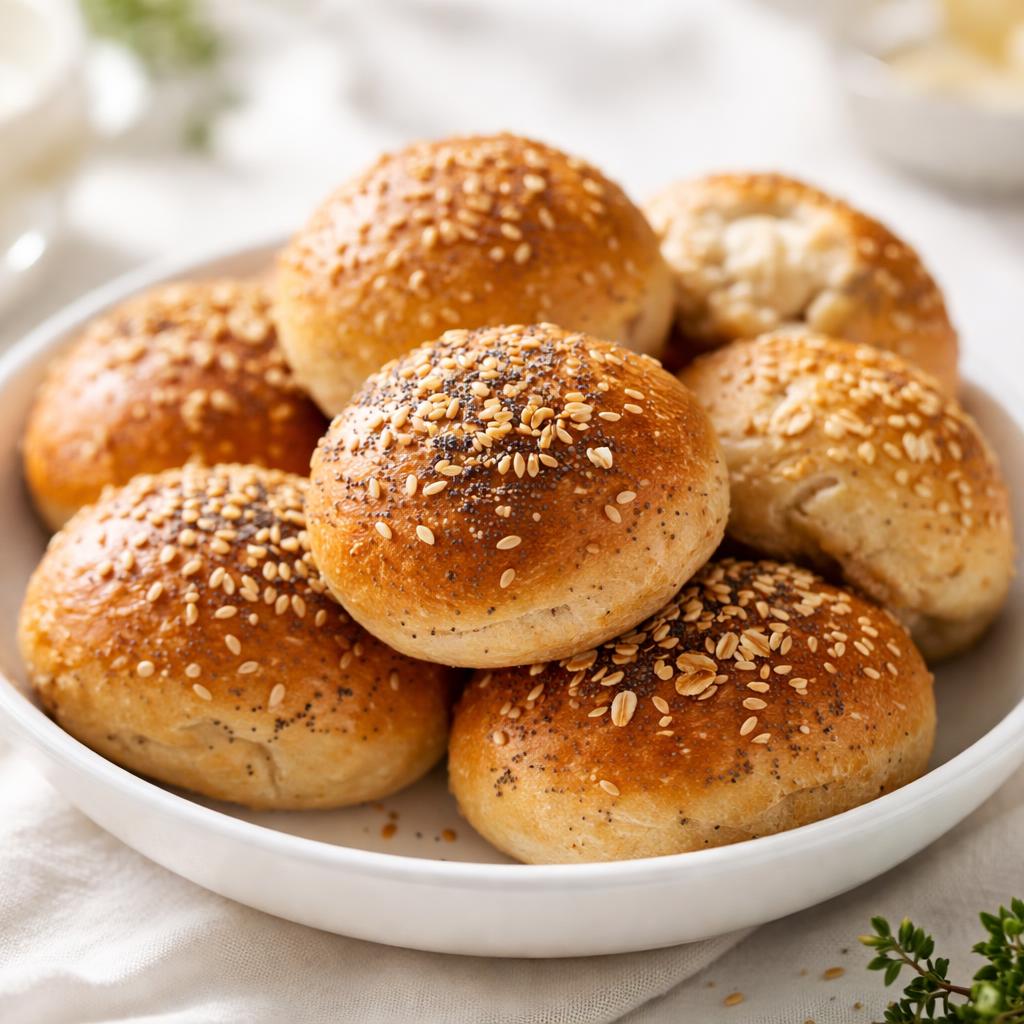
Bread Rolls
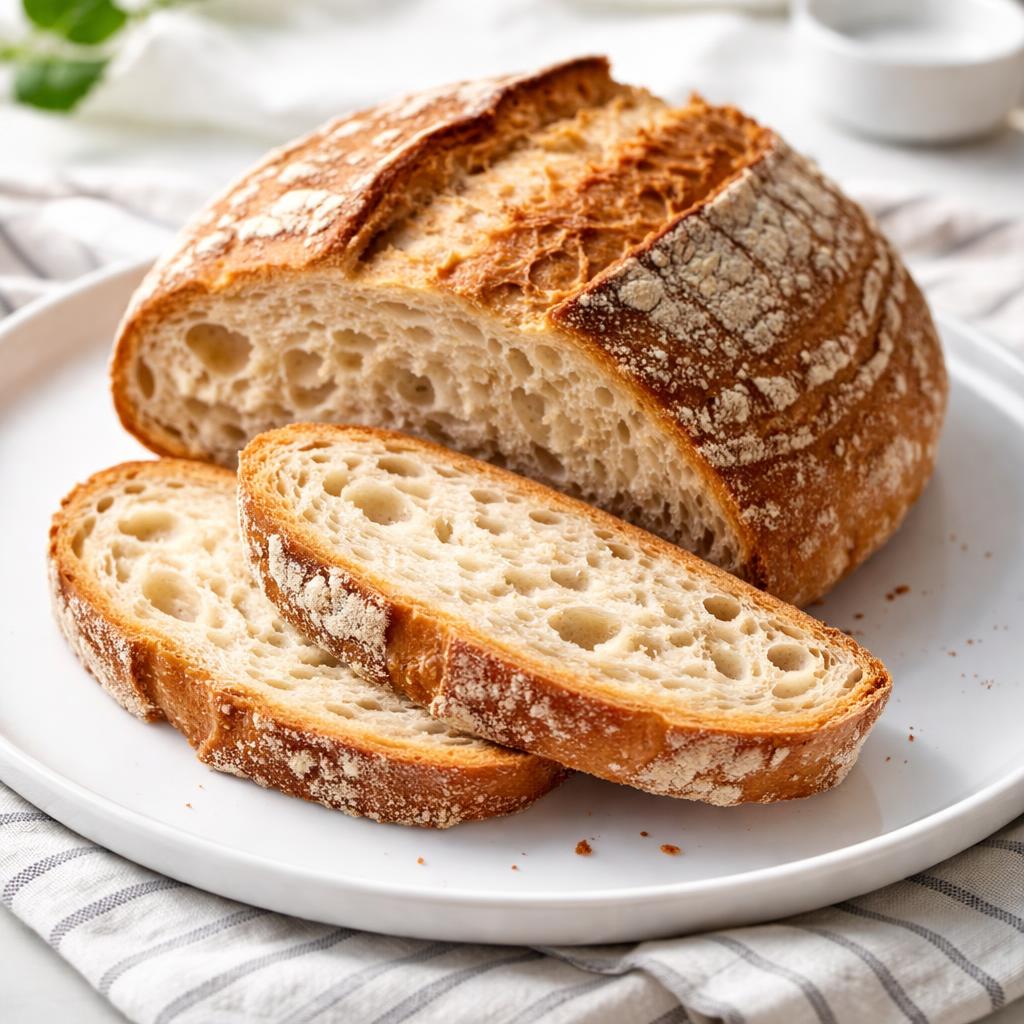
Sour Dough Bread
🎯 Quick Verdict
Bread rolls and sourdough bread are close in many nutritional aspects but differ in key categories. Sourdough bread has slightly more protein and fiber, while bread rolls are lower in calories. Sourdough bread may offer better digestion benefits due to fermentation, while bread rolls are lighter and may suit calorie-conscious diets better.

Smart Nutrition Tracking with SnapCalorie

📊 Nutritional Comparison
Macronutrients
| Nutrient | Food 1 | Food 2 | Winner |
|---|---|---|---|
| Calories | 160 | 185 | − |
| Protein | 5g | 6g | − |
| Carbs | 29g | 32g | − |
| Fat | 2.5g | 3g | − |
| Fiber | 1.5g | 3g | − |
Vitamins & Minerals
| Nutrient | Food 1 | Food 2 | Winner |
|---|---|---|---|
| Vitamin B1 (Thiamine) | 0.2mg | 0.3mg | − |
| Calcium | 30mg | 25mg | − |
| Iron | 1mg | 1.5mg | − |
🏆 Category Winners
Protein
Sourdough bread has 20% more protein per serving.
Fiber
Sourdough bread has twice the fiber content of bread rolls.
Calories
Bread rolls contain 13% fewer calories per serving.
Vitamins
Sourdough bread provides slightly more iron and thiamine, essential for energy metabolism.
🥗 Diet Compatibility
Keto
Food 1: Unknown
Food 2: Unknown
Both are high-carb foods and not suitable for keto diets.
Vegan
Food 1: Unknown
Food 2: Unknown
Both foods are plant-based and do not contain animal products.
Gluten Free
Food 1: Unknown
Food 2: Unknown
Both contain wheat and are not suitable for gluten-free diets.
Paleo
Food 1: Unknown
Food 2: Unknown
Neither food meets the paleo diet guidelines due to their processed grains.
Low-Carb
Food 1: Unknown
Food 2: Unknown
Both foods contain over 20g of carbs per serving, exceeding low-carb diet thresholds.
💪 Health Benefits Comparison
Food 1 Benefits
Food 2 Benefits
✅ The Bottom Line
Both bread rolls and sourdough bread serve different dietary needs. Bread rolls are ideal for those watching their calorie intake and need a quick source of carbs. Sourdough bread, with its higher protein, fiber, and fermented components, is better for digestion and long-term satiety.


