Bread Rolls VS Seeded Bread
A detailed nutritional comparison
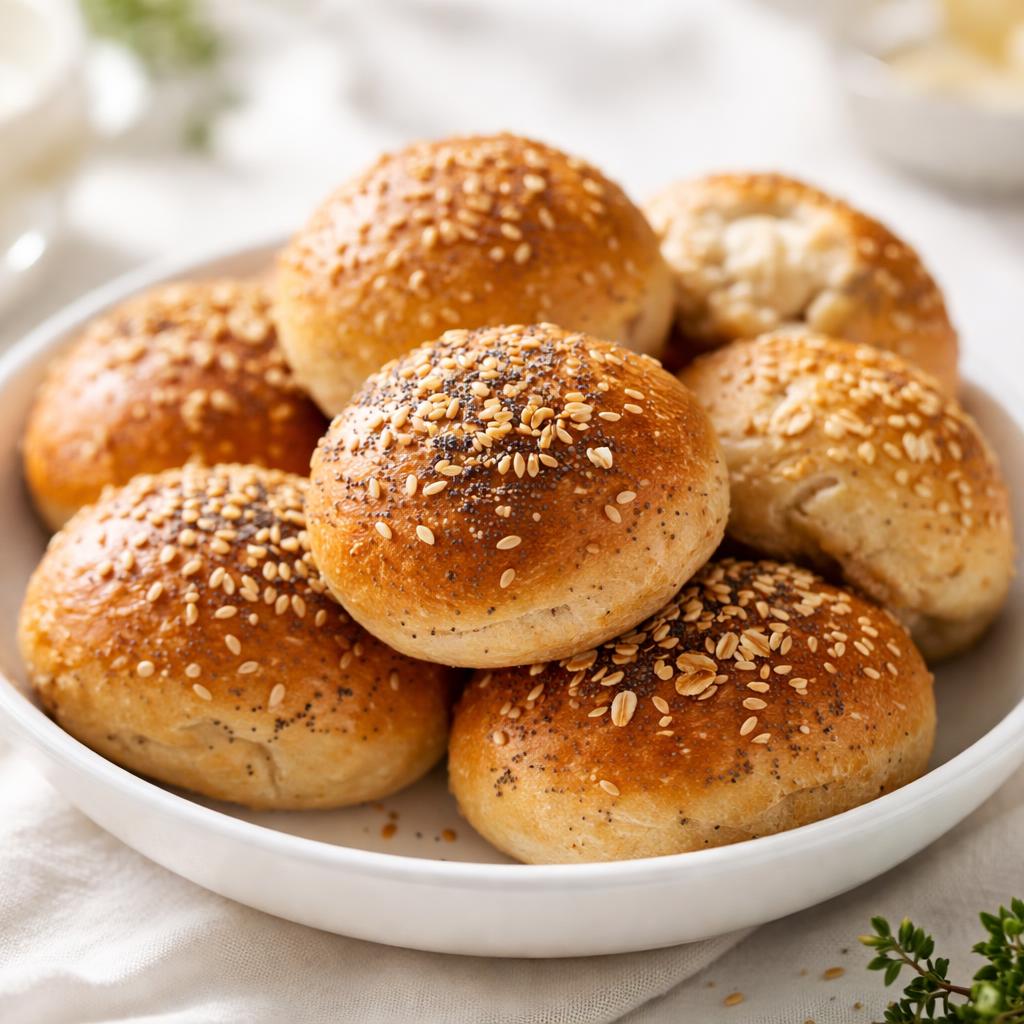
Bread Rolls
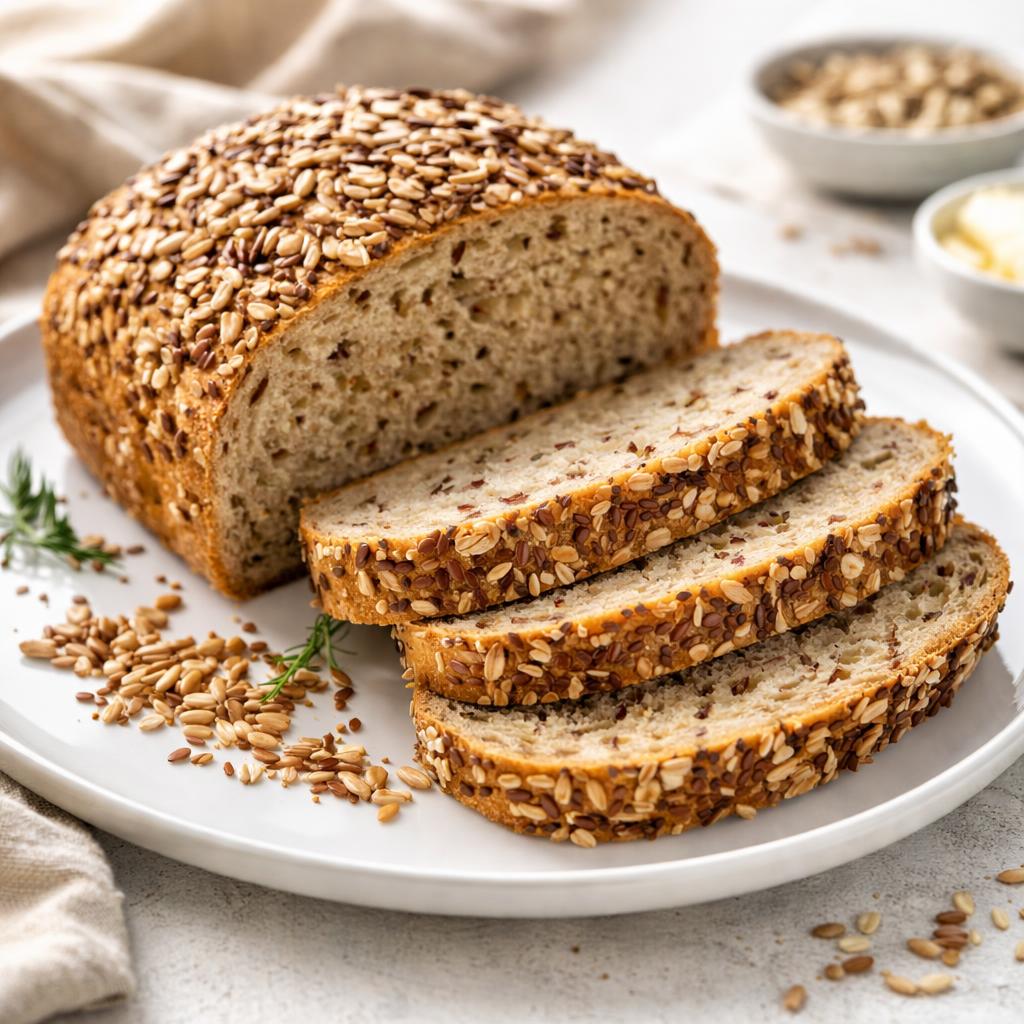
Seeded Bread
🎯 Quick Verdict
Seeded bread outshines bread rolls in nutritional density, providing more protein, fiber, and micronutrients like iron and magnesium, which support heart health and sustained energy. Bread rolls, however, may suit preferences for lower-fat options or lighter meals without seeds, but lack the robust nutrient profile of seeded bread.

Smart Nutrition Tracking with SnapCalorie

📊 Nutritional Comparison
Macronutrients
| Nutrient | Food 1 | Food 2 | Winner |
|---|---|---|---|
| Calories | 200 | 200 | − |
| Protein | 6g | 9g | − |
| Carbs | 38g | 34g | − |
| Fat | 1.5g | 5g | − |
| Fiber | 2g | 5g | − |
Vitamins & Minerals
| Nutrient | Food 1 | Food 2 | Winner |
|---|---|---|---|
| Vitamin D | 0mcg | 0mcg | − |
| Calcium | 40mg | 50mg | − |
| Iron | 0.8mg | 2mg | − |
| Magnesium | 10mg | 30mg | − |
🏆 Category Winners
Protein
Seeded bread has 50% more protein per serving.
Fiber
Seeded bread provides 150% more fiber, essential for digestion and gut health.
Calories
Both bread types have approximately 200 calories per serving.
Vitamins
Seeded bread is richer in minerals like iron and magnesium, supporting blood health and energy levels.
🥗 Diet Compatibility
Keto
Food 1: Not Compatible
Food 2: Not Compatible
Both foods have high carbohydrate levels unsuitable for keto diets.
Vegan
Food 1: Compatible
Food 2: Compatible
Neither product contains animal-derived ingredients.
Gluten Free
Food 1: Not Compatible
Food 2: Not Compatible
Both foods are made with wheat and contain gluten.
Paleo
Food 1: Not Compatible
Food 2: Not Compatible
Both foods are grain-based, unsuitable for paleo diets.
Low-Carb
Food 1: Not Compatible
Food 2: Not Compatible
Carbohydrate content exceeds thresholds for low-carb diets.
💪 Health Benefits Comparison
Food 1 Benefits
- Easy-to-digest option for lighter meals
- Low-fat content for calorie-conscious diets
- Provides basic carbohydrates for quick energy
Food 2 Benefits
- Higher protein supports muscle maintenance
- Rich in fiber for better digestion and gut health
- Contains heart-healthy fats from seeds
- Provides iron and magnesium for sustained energy and blood health
✅ The Bottom Line
Seeded bread is the more nutrient-dense choice, suitable for individuals seeking higher protein, fiber, and micronutrients. Bread rolls offer a simpler, lower-fat alternative ideal for quick meals or those preferring traditional bread textures without seeds.
Choose Food 1 for: Light meals, budget-friendly choice, low-fat diets
Choose Food 2 for: High-protein diets, heart health, nutrient-dense snacks


