Bread Rolls VS Rice Crispy
A detailed nutritional comparison
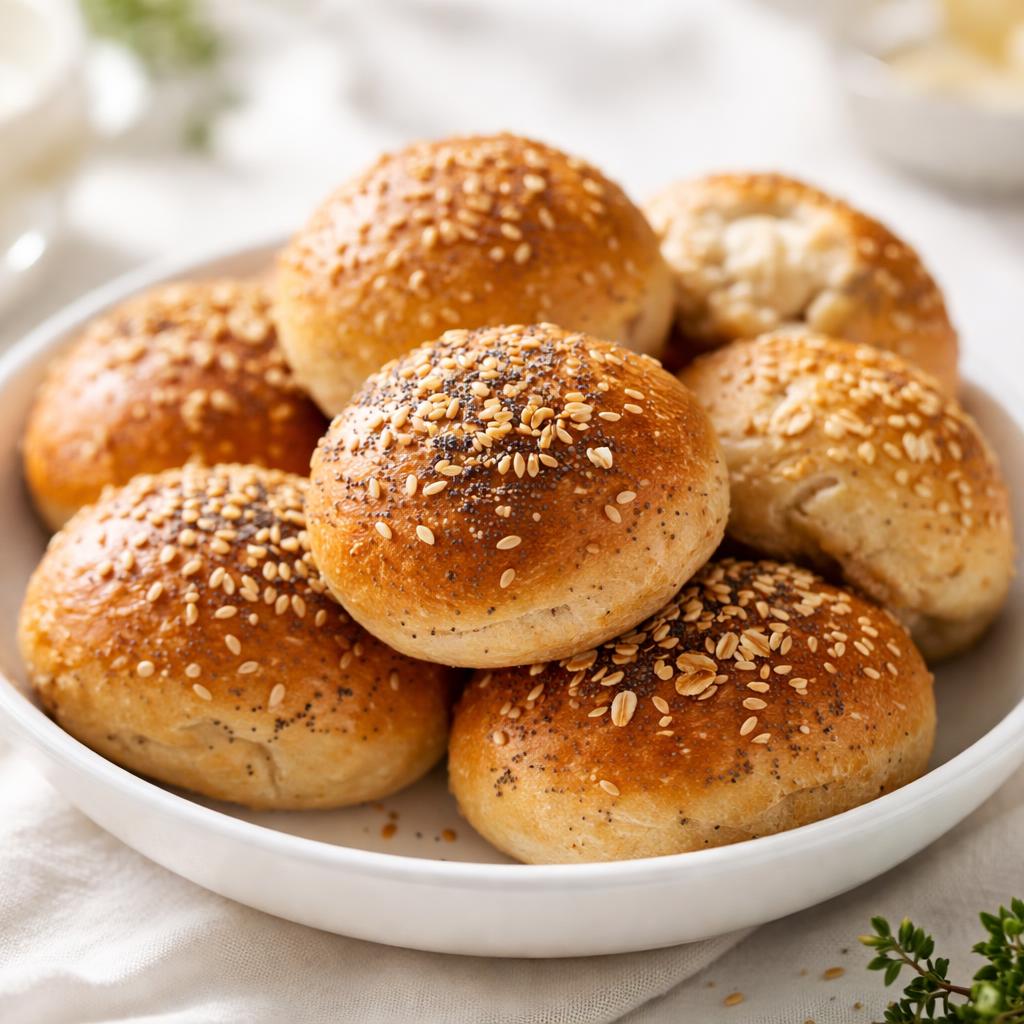
Bread Rolls
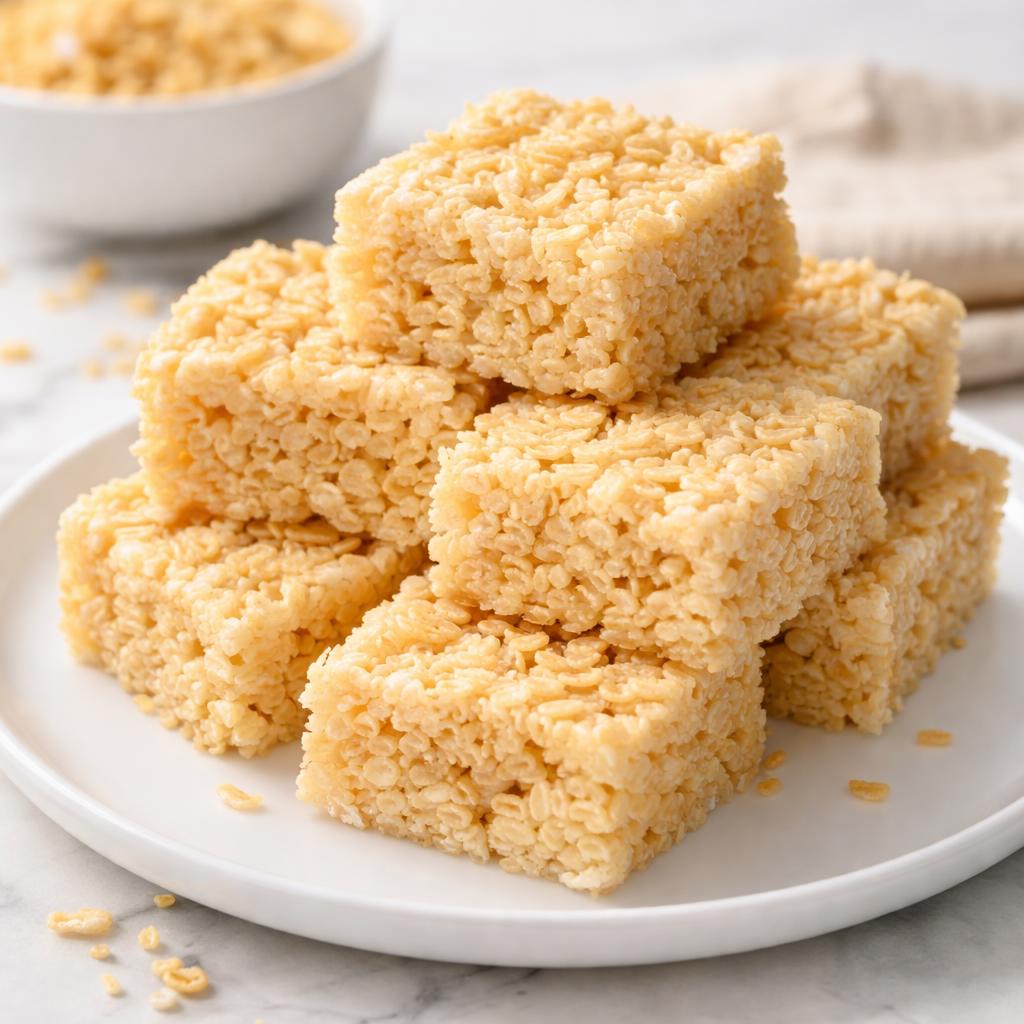
Rice Crispy
🎯 Quick Verdict
Bread rolls offer more protein and fiber per serving, making them a better choice for satiety and digestion. Rice crispy is lower in calories and fat, making it a lighter option but less nutritionally dense overall. Bread rolls are ideal for balanced meals, while rice crispy suits occasional treats or low-impact snacks.

Smart Nutrition Tracking with SnapCalorie

📊 Nutritional Comparison
Macronutrients
| Nutrient | Food 1 | Food 2 | Winner |
|---|---|---|---|
| Calories | 150 | 120 | ✓ |
| Protein | 5g | 1g | ✓ |
| Carbs | 28g | 25g | ✓ |
| Fat | 2g | 0.5g | ✓ |
| Fiber | 2g | 0g | ✓ |
Vitamins & Minerals
| Nutrient | Food 1 | Food 2 | Winner |
|---|---|---|---|
| Vitamin D | 0mcg | 0mcg | − |
| Calcium | 40mg | 5mg | ✓ |
| Iron | 1mg | 0.3mg | ✓ |
🏆 Category Winners
Protein
Bread rolls provide 5x more protein than rice crispy.
Fiber
Bread rolls contain 2g of fiber, while rice crispy contains none.
Calories
Rice crispy has 20% fewer calories than bread rolls.
Vitamins
Bread rolls contain more calcium and iron than rice crispy.
🥗 Diet Compatibility
Keto
Food 1: Not Compatible
Food 2: Not Compatible
Both are high in carbohydrates.
Vegan
Food 1: Compatible
Food 2: Compatible
Both foods are typically plant-based.
Gluten Free
Food 1: Not Compatible
Food 2: Compatible
Bread rolls contain gluten; rice crispy does not (unless contaminated).
Paleo
Food 1: Not Compatible
Food 2: Not Compatible
Both foods are processed and contain refined ingredients not allowed in paleo diets.
Low Carb
Food 1: Not Compatible
Food 2: Not Compatible
Both foods are high in carbohydrates, exceeding typical low-carb thresholds.
💪 Health Benefits Comparison
Food 1 Benefits
- Provides moderate protein for muscle repair and growth
- Contains some fiber to support digestion and satiety
- Offers essential minerals like calcium and iron
Food 2 Benefits
- Low in calories for light, occasional snacking
- No fats, making it suitable for low-fat diets
- Quick energy source due to simple carbohydrates
✅ The Bottom Line
Bread rolls are nutritionally superior with more protein, fiber, and essential minerals, making them better for balanced meals and digestion. Rice crispy is lighter and lower in calories, ideal for occasional treats or a quick energy boost but lacks significant nutrients.
Choose Food 1 for: Balanced meals, moderately active lifestyles, digestion support
Choose Food 2 for: Occasional snacks, low-calorie diets, quick energy boosts


