Bread Rolls VS Multigrain Bread
A detailed nutritional comparison

Bread Rolls
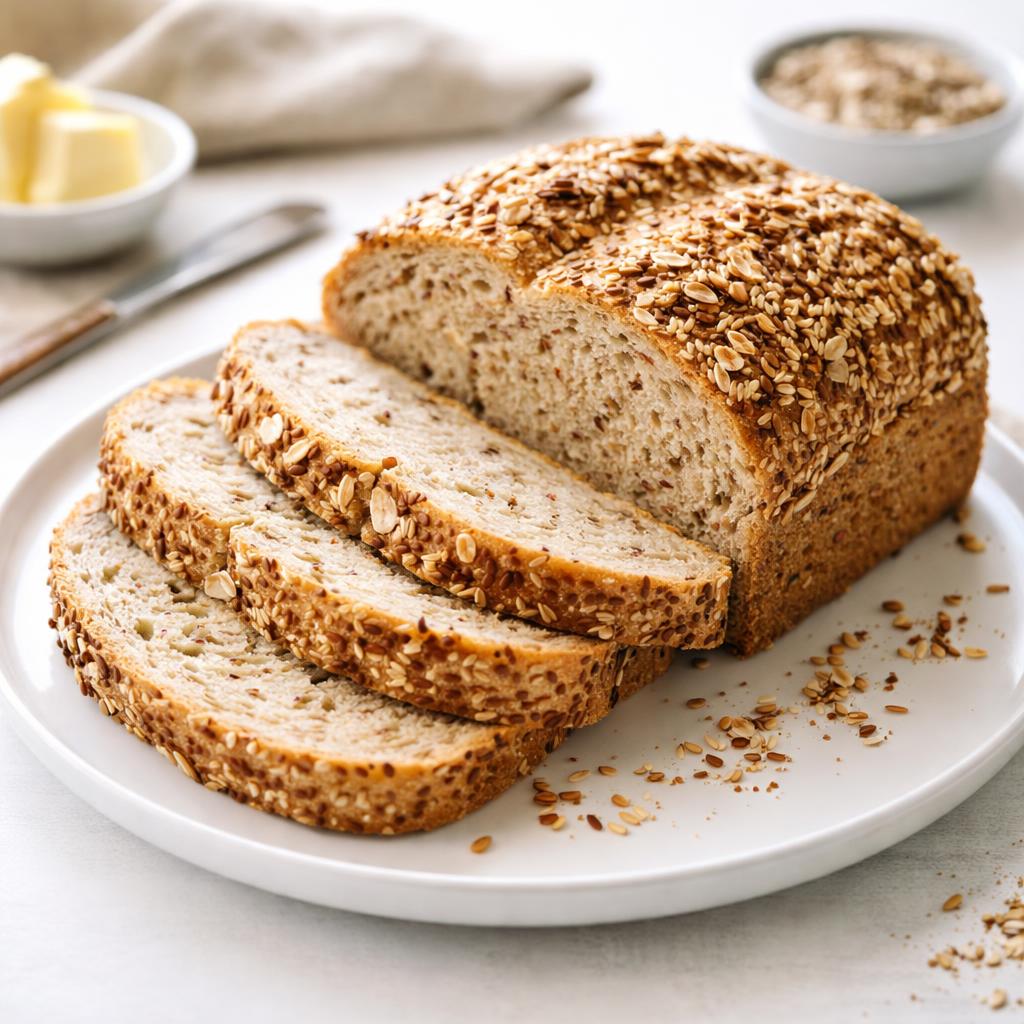
Multigrain Bread
🎯 Quick Verdict
Multigrain bread provides more protein, fiber, and vitamins, while being lower in calories compared to bread rolls. Bread rolls are more energy-dense and suitable for quick calories during high activity. Multigrain bread is better for weight management and nutrient density. Both are versatile for meals like sandwiches and snacks.

Smart Nutrition Tracking with SnapCalorie

📊 Nutritional Comparison
Macronutrients
| Nutrient | Food 1 | Food 2 | Winner |
|---|---|---|---|
| Calories | 240 per roll | 110 per slice | ✓ |
| Protein | 6g per roll | 8g per slice | ✓ |
| Carbs | 43g per roll | 18g per slice | ✓ |
| Fat | 3g per roll | 2g per slice | ✓ |
| Fiber | 2g per roll | 4g per slice | ✓ |
Vitamins & Minerals
| Nutrient | Food 1 | Food 2 | Winner |
|---|---|---|---|
| Vitamin D | 0mcg | 0mcg | − |
| Calcium | 20mg | 50mg | ✓ |
| Iron | 1.7mg | 2.5mg | ✓ |
🏆 Category Winners
Protein
Multigrain bread has 33% more protein per serving.
Fiber
Multigrain bread has double the fiber content per serving.
Calories
Multigrain bread has less than half the calories compared to bread rolls per serving.
Vitamins
Multigrain bread provides higher calcium and iron levels which support bone and blood health.
🥗 Diet Compatibility
Keto
Food 1: Not Compatible
Food 2: Not Compatible
Both are high in carbs and not suitable for keto diets.
Vegan
Food 1: Compatible
Food 2: Compatible
Both are plant-based and free of animal products.
Gluten Free
Food 1: Not Compatible
Food 2: Not Compatible
Both foods contain gluten as they are wheat-based.
Paleo
Food 1: Not Compatible
Food 2: Not Compatible
Paleo diets avoid wheat and processed bread products.
Low Carb
Food 1: Not Compatible
Food 2: Not Compatible
Both are high in carbohydrates and not suitable for low-carb diets.
💪 Health Benefits Comparison
Food 1 Benefits
- Provides quick energy from carbohydrates
- Good source of iron for oxygen transport in the body
- Convenient and versatile for meals and snacks
Food 2 Benefits
- Higher fiber content supports digestion
- Rich in protein for muscle health
- Provides higher calcium and iron for bone and blood health
- Lower in calories and suitable for weight management
✅ The Bottom Line
Multigrain bread is the better overall choice for nutrient density, digestion, and weight management, while bread rolls are suitable for energy-dense meals or snacks. Both can be useful depending on activity level and dietary goals.
Choose Food 1 for: Quick energy, high-calorie diets, active lifestyles
Choose Food 2 for: Weight management, nutrient-dense meals, balanced diets


