Bread Rolls VS Japanese Rice
A detailed nutritional comparison
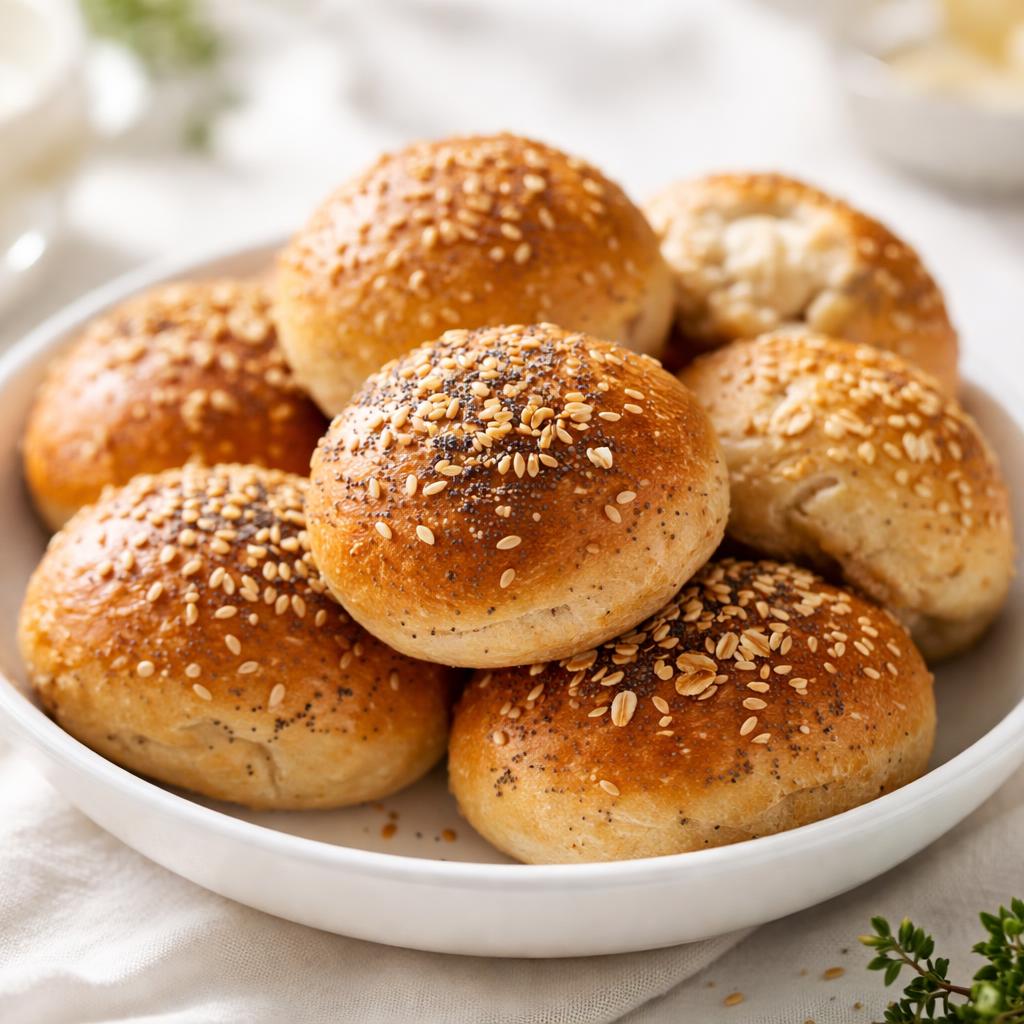
Bread Rolls
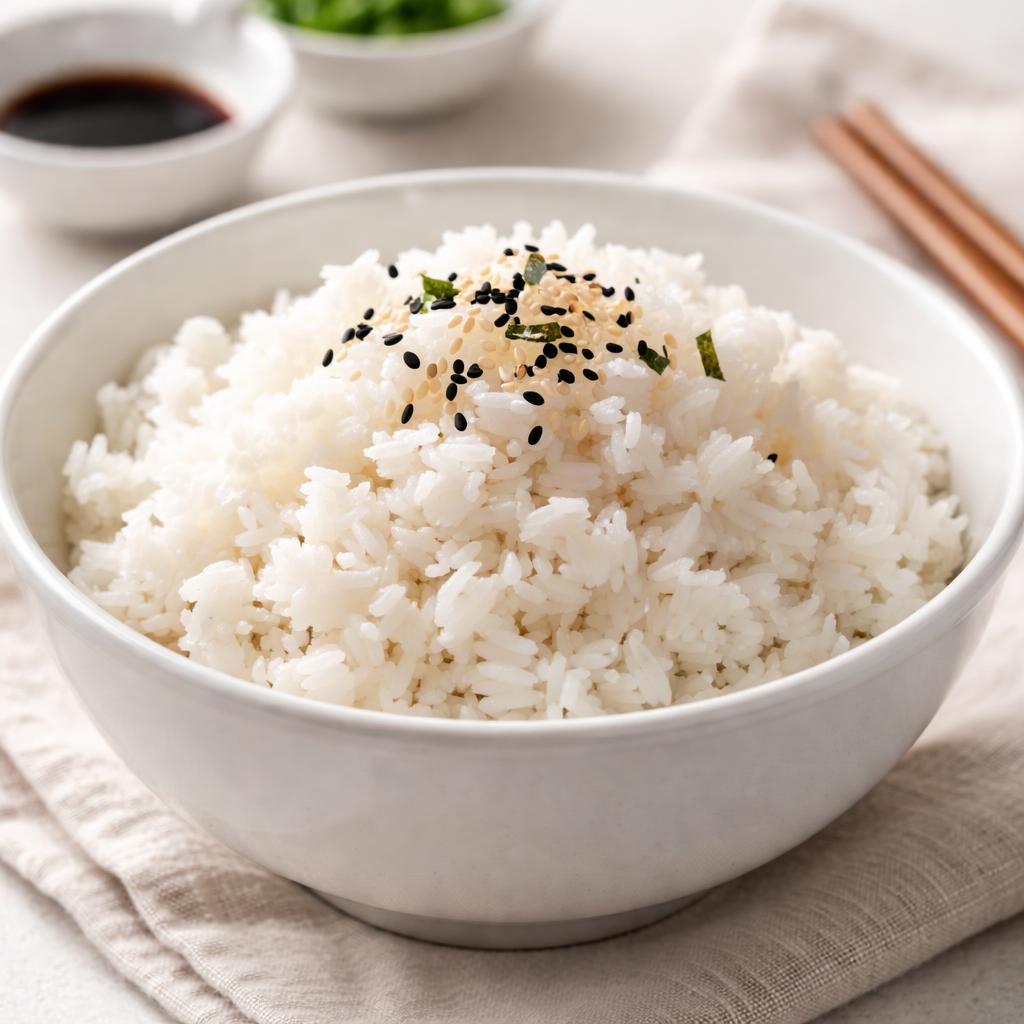
Japanese Rice
🎯 Quick Verdict
Bread rolls offer higher protein and fiber, making them more filling and suitable for those prioritizing digestion and muscle maintenance. Japanese rice is lower in calories and provides a simpler carbohydrate profile, making it ideal for energy-focused meals. Each has its strengths depending on dietary goals, with bread rolls being more nutrient-dense overall and rice excelling in lighter calorie meals or carb-centric diets.

Smart Nutrition Tracking with SnapCalorie

📊 Nutritional Comparison
Macronutrients
| Nutrient | Food 1 | Food 2 | Winner |
|---|---|---|---|
| Calories | 250 per 100g | 160 per 100g | ✓ |
| Protein | 9g per 100g | 2.7g per 100g | ✓ |
| Carbs | 47g per 100g | 36g per 100g | ✓ |
| Fat | 3g per 100g | 0.3g per 100g | ✓ |
| Fiber | 3g per 100g | 0.5g per 100g | ✓ |
Vitamins & Minerals
| Nutrient | Food 1 | Food 2 | Winner |
|---|---|---|---|
| Vitamin B1 (Thiamin) | 0.4mg per 100g | 0.02mg per 100g | ✓ |
| Vitamin B3 (Niacin) | 3.6mg per 100g | 1.2mg per 100g | ✓ |
| Iron | 1.5mg per 100g | 0.2mg per 100g | ✓ |
🏆 Category Winners
Protein
Bread rolls provide over 3 times more protein per 100g compared to Japanese rice.
Fiber
Bread rolls contain 6 times more fiber, aiding digestion and satiety.
Calories
Japanese rice has 35% fewer calories, ideal for lower-calorie diets.
Vitamins
Bread rolls are richer in essential B vitamins and iron for energy and blood health.
🥗 Diet Compatibility
Keto
Food 1: Not Compatible
Food 2: Not Compatible
Both are high in carbohydrates and unsuitable for keto diets.
Vegan
Food 1: Compatible
Food 2: Compatible
Both bread rolls and rice are plant-based, provided no additional non-vegan ingredients are added.
Gluten Free
Food 1: Not Compatible
Food 2: Compatible
Bread rolls usually contain gluten, while Japanese rice is naturally gluten-free.
Paleo
Food 1: Not Compatible
Food 2: Compatible
Bread rolls are processed and not paleo-friendly, whereas Japanese rice may be considered suitable in some paleo diets.
Low Carb
Food 1: Not Compatible
Food 2: Not Compatible
Both foods are high in carbohydrates, making them unsuitable for low-carb diets.
💪 Health Benefits Comparison
Food 1 Benefits
- Higher protein content supports muscle repair and maintenance.
- Contains more fiber, aiding in digestion and improving satiety.
- Rich in B vitamins like thiamin and niacin for energy metabolism.
- Good source of iron, beneficial for oxygen transport in the blood.
Food 2 Benefits
- Low in calories, making it ideal for weight management or lighter meals.
- Easy to digest, suitable for individuals with sensitive stomachs.
- Gluten-free, making it suitable for those with gluten intolerance.
- Provides a quick source of energy from complex carbohydrates.
✅ The Bottom Line
Choose bread rolls if you're looking for more protein, fiber, and a nutrient-dense option to pair with meals. They are ideal for enhancing digestion, supporting muscle recovery, and staying fuller for longer. Opt for Japanese rice when you need a low-calorie, easily digestible carbohydrate source for energy. It’s an excellent choice for meals where a lighter grain is preferred or for individuals avoiding gluten.
Choose Food 1 for: High-protein diets, post-workout recovery, nutrient-dense sandwiches or snacks.
Choose Food 2 for: Weight management, gluten-free meals, energy-focused dishes like sushi or rice bowls.


