Bread Rolls VS Homemade Bread
A detailed nutritional comparison
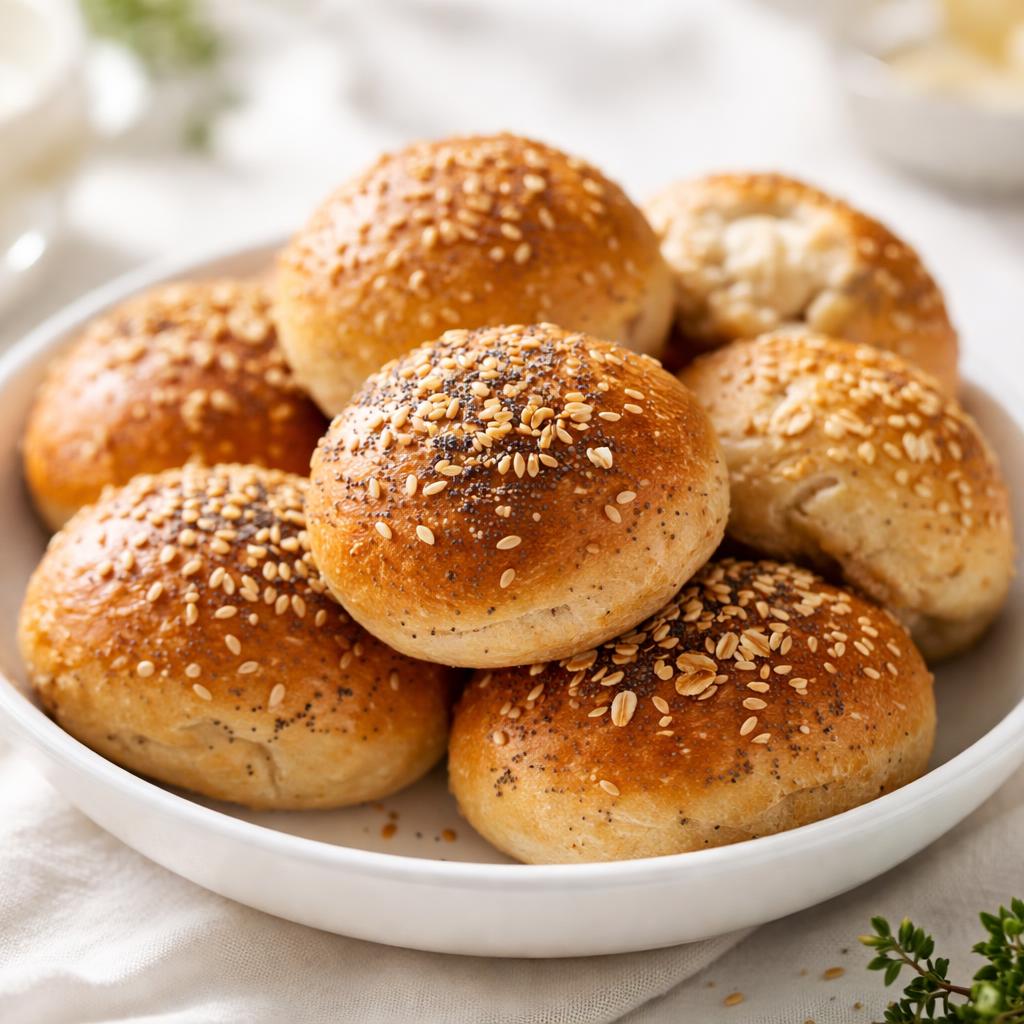
Bread Rolls
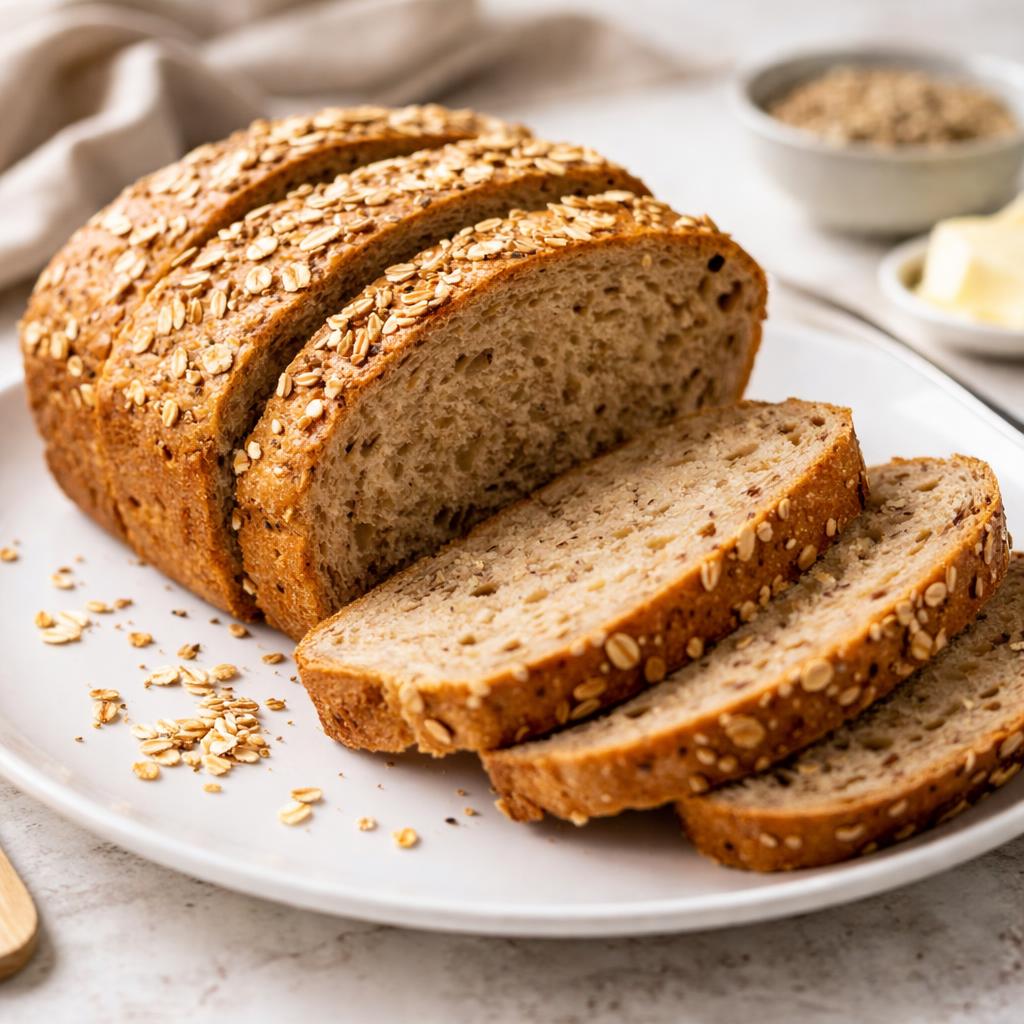
Homemade Bread
🎯 Quick Verdict
Homemade bread generally outperforms bread rolls in terms of nutrient density, providing more protein and fiber while being lower in calories. Bread rolls are more processed, often containing added sugars and preservatives, making them a convenient but less wholesome option. Homemade bread is ideal for those seeking cleaner ingredients and better overall nutrition.

Smart Nutrition Tracking with SnapCalorie

📊 Nutritional Comparison
Macronutrients
| Nutrient | Food 1 | Food 2 | Winner |
|---|---|---|---|
| Calories | 250 | 200 | ✓ |
| Protein | 6g | 8g | ✓ |
| Carbs | 46g | 40g | ✓ |
| Fat | 2g | 3g | ✓ |
| Fiber | 1g | 3g | ✓ |
Vitamins & Minerals
| Nutrient | Food 1 | Food 2 | Winner |
|---|---|---|---|
| Vitamin D | 0mcg | 0mcg | − |
| Calcium | 50mg | 75mg | ✓ |
| Iron | 1mg | 2mg | ✓ |
🏆 Category Winners
Protein
Homemade bread has 33% more protein.
Fiber
Homemade bread contains three times as much fiber.
Calories
Homemade bread has 20% fewer calories compared to bread rolls.
Vitamins
Higher calcium and iron content make food2 nutritionally superior.
🥗 Diet Compatibility
Keto
Food 1: Not Compatible
Food 2: Not Compatible
Both foods are high in carbs.
Vegan
Food 1: Depends (check ingredients)
Food 2: Compatible
Bread rolls may contain dairy; homemade bread can be made vegan-friendly.
Gluten Free
Food 1: Not Compatible
Food 2: Not Compatible
Both are made with wheat flour unless a gluten-free recipe is used.
Paleo
Food 1: Not Compatible
Food 2: Not Compatible
Both foods are grain-based, inconsistent with paleo guidelines.
Low-Carb
Food 1: Not Compatible
Food 2: Not Compatible
Carbohydrate content is too high in both foods for low-carb diets.
💪 Health Benefits Comparison
Food 1 Benefits
- Convenient snack option
- Provides quick energy from carbs
- Often fortified with additional nutrients
Food 2 Benefits
- Higher protein content for muscle maintenance
- More fiber for digestive health
- Made without preservatives for cleaner eating
- Can be adapted with healthier ingredients, such as whole grains
✅ The Bottom Line
Homemade bread is the superior choice for cleaner eating and greater nutritional value, making it better for health-conscious individuals. Bread rolls, while convenient and energy-dense, may include added sugars and preservatives, making them less ideal for those seeking wholesome foods.
Choose Food 1 for: Quick meals, on-the-go snacking, energy boosts
Choose Food 2 for: Clean eating, high-fiber diets, nutrient-conscious individuals


