Bread Rolls VS Brioche Bread
A detailed nutritional comparison

Bread Rolls
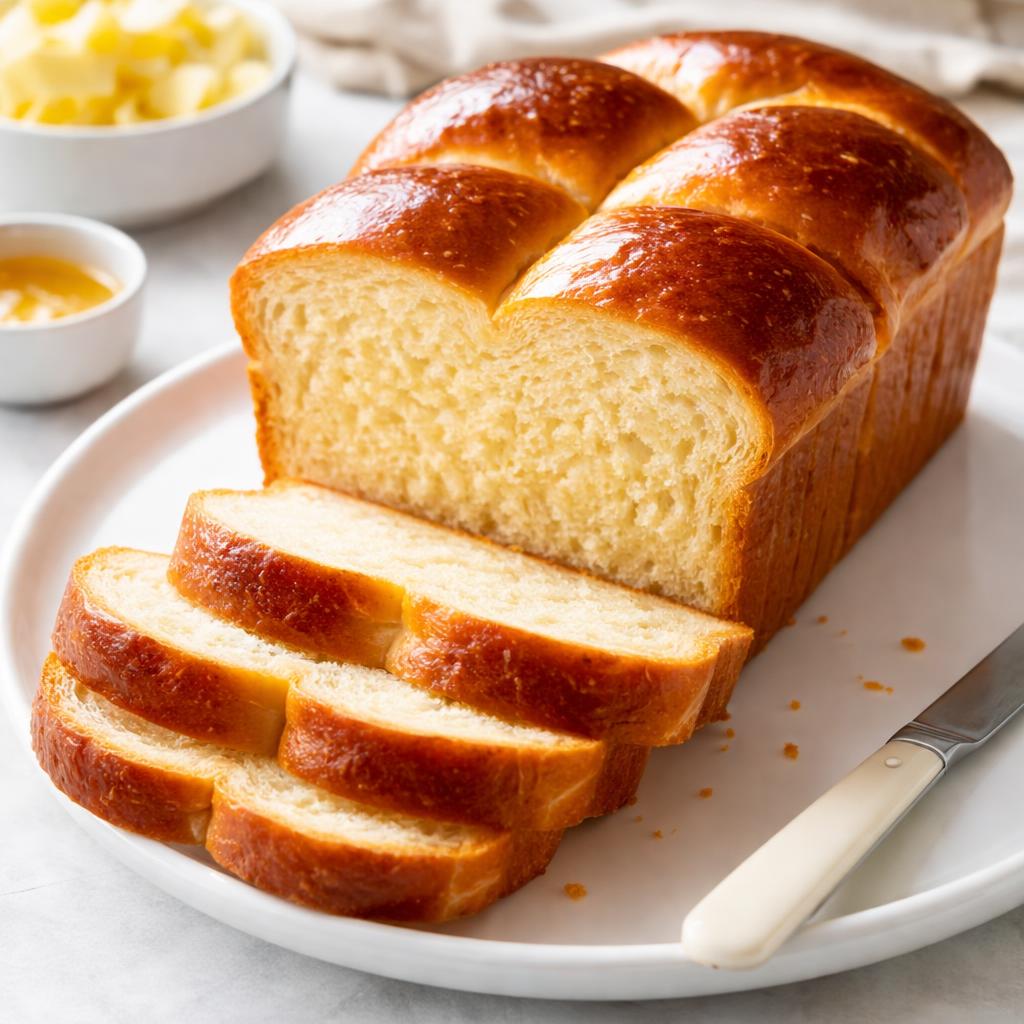
Brioche Bread
🎯 Quick Verdict
Bread rolls have fewer calories, more protein, and more fiber compared to brioche bread, making them a more nutrient-dense option for those seeking weight management and digestion support. Brioche bread, on the other hand, is richer in fats and carbohydrates, providing a higher energy and indulgence factor, great for treats or sustained energy needs.

Smart Nutrition Tracking with SnapCalorie

📊 Nutritional Comparison
Macronutrients
| Nutrient | Food 1 | Food 2 | Winner |
|---|---|---|---|
| Calories | 170 | 290 | ✓ |
| Protein | 6g | 4g | ✓ |
| Carbs | 33g | 45g | ✓ |
| Fat | 2g | 9g | ✓ |
| Fiber | 2.5g | 1g | ✓ |
Vitamins & Minerals
| Nutrient | Food 1 | Food 2 | Winner |
|---|---|---|---|
| Vitamin D | 0mcg | 0.3mcg | ✓ |
| Calcium | 40mg | 50mg | ✓ |
| Iron | 2mg | 1mg | ✓ |
🏆 Category Winners
Protein
Bread rolls provide 50% more protein than brioche bread.
Fiber
Food1 contains more than twice the fiber content of food2.
Calories
Bread rolls have 41% fewer calories compared to brioche bread.
Vitamins
Brioche bread contains slightly more calcium and vitamin D.
🥗 Diet Compatibility
Keto
Food 1: Not Compatible
Food 2: Not Compatible
Both are high in carbohydrates.
Vegan
Food 1: Not Compatible
Food 2: Not Compatible
Neither food is vegan due to the common use of dairy, eggs, or other animal products.
Gluten Free
Food 1: Not Compatible
Food 2: Not Compatible
Both foods contain gluten due to their wheat flour bases.
Paleo
Food 1: Not Compatible
Food 2: Not Compatible
Both include grains and dairy, which are avoided on paleo diets.
Low Carb
Food 1: Not Compatible
Food 2: Not Compatible
Both foods are high in carbohydrates, with over 30g per serving.
💪 Health Benefits Comparison
Food 1 Benefits
- Lower in calories for weight management
- Higher protein content to support muscle maintenance
- Good source of fiber for improved digestion
Food 2 Benefits
- Richer flavor and texture for culinary indulgence
- Higher fat content for sustained energy
- Contains slightly more calcium and vitamin D for bone health
✅ The Bottom Line
Bread rolls are the better choice for those focused on weight management, higher protein intake, and digestive support, making them suitable for everyday meals. Brioche bread is best reserved for indulgent occasions, offering a richer taste and higher energy content.
Choose Food 1 for: Weight management, high-protein meals, daily bread use
Choose Food 2 for: Indulgent recipes, energy requirement diets, special occasions


