Bread Rolls VS Breaded Fish
A detailed nutritional comparison

Bread Rolls
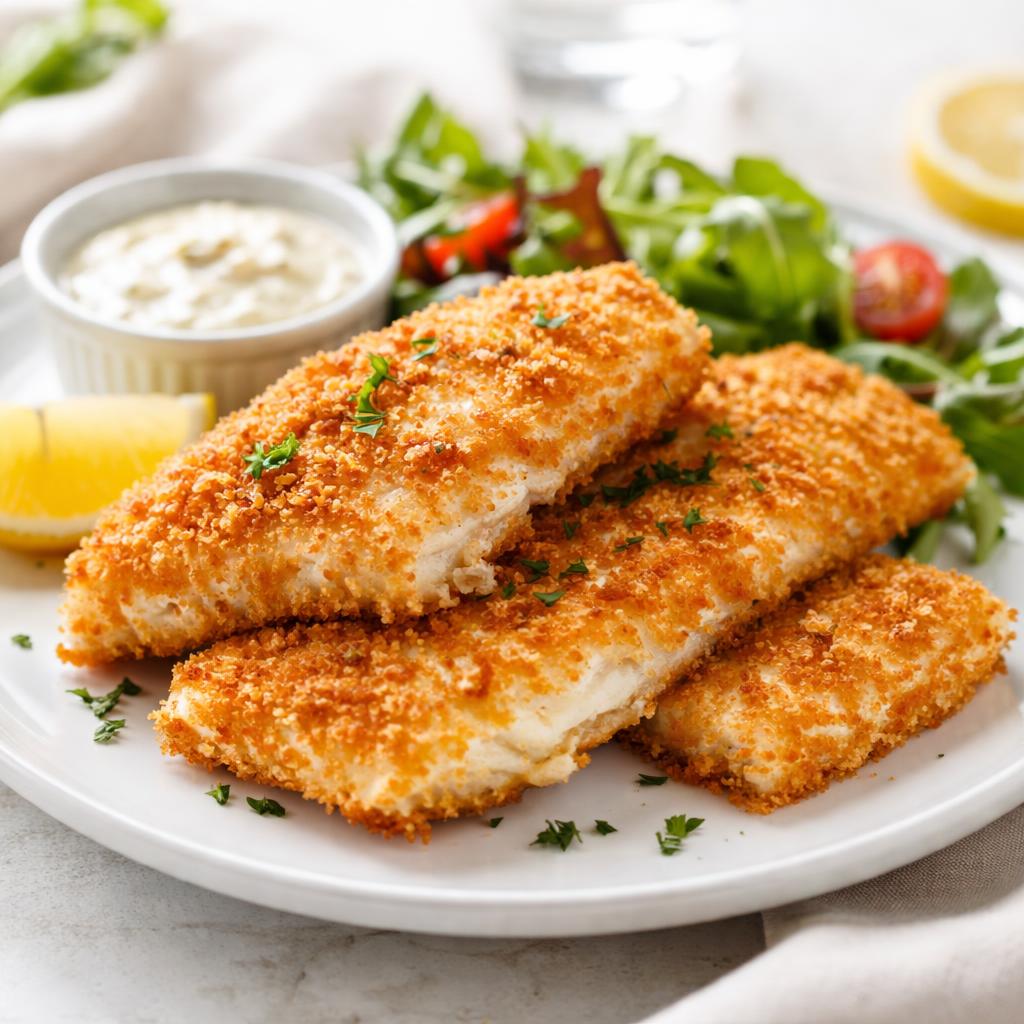
Breaded Fish
🎯 Quick Verdict
Bread rolls are lower in calories and higher in fiber, making them a good option for lighter meals or snacks. Breaded fish provides significantly more protein and healthy fats, which are ideal for satisfying meals and muscle maintenance. Both foods serve different dietary needs depending on goals such as weight management or protein intake.

Smart Nutrition Tracking with SnapCalorie

📊 Nutritional Comparison
Macronutrients
| Nutrient | Food 1 | Food 2 | Winner |
|---|---|---|---|
| Calories | 90 kcal (per roll) | 180 kcal (per fillet) | − |
| Protein | 3g | 12g | − |
| Carbs | 17g | 15g | − |
| Fat | 1g | 8g | − |
| Fiber | 1g | 0.5g | − |
Vitamins & Minerals
| Nutrient | Food 1 | Food 2 | Winner |
|---|---|---|---|
| Vitamin D | 0mcg | 2mcg | − |
| Calcium | 50mg | 25mg | − |
| Iron | 1mg | 1.5mg | − |
🏆 Category Winners
Protein
Breaded fish provides 4x more protein per serving than bread rolls.
Fiber
Bread rolls contain double the fiber compared to breaded fish.
Calories
Bread rolls are 50% lower in calories per serving.
Vitamins
Contains higher levels of Vitamin D and Iron, important for bone health and oxygen transport.
🥗 Diet Compatibility
Keto
Food 1: Not Compatible
Food 2: Potentially Compatible
Bread rolls are high in carbs, while breaded fish is moderate in carbs but provides protein.
Vegan
Food 1: Compatible
Food 2: Not Compatible
Bread rolls are plant-based, while breaded fish contains animal products.
Gluten Free
Food 1: Not Compatible
Food 2: Not Compatible
Both foods contain gluten unless specific gluten-free versions are used.
Paleo
Food 1: Not Compatible
Food 2: Potentially Compatible
Bread rolls contain processed grains, and breaded fish can be paleo if made with almond or coconut flour.
Low-Carb
Food 1: Not Compatible
Food 2: Compatible
Bread rolls are high in carbs (17g), while breaded fish fits a lower-carb profile with 15g of carbs while adding protein.
💪 Health Benefits Comparison
Food 1 Benefits
Food 2 Benefits
✅ The Bottom Line
Bread rolls are a better option for lighter meals, snacks, or fiber intake, while breaded fish excels in protein content and complements heartier meals. Choose bread rolls for lower calorie and fat needs, and breaded fish for filling, nutrient-dense meals with lean protein.


