Bread Rolls VS Breadcrumbs
A detailed nutritional comparison
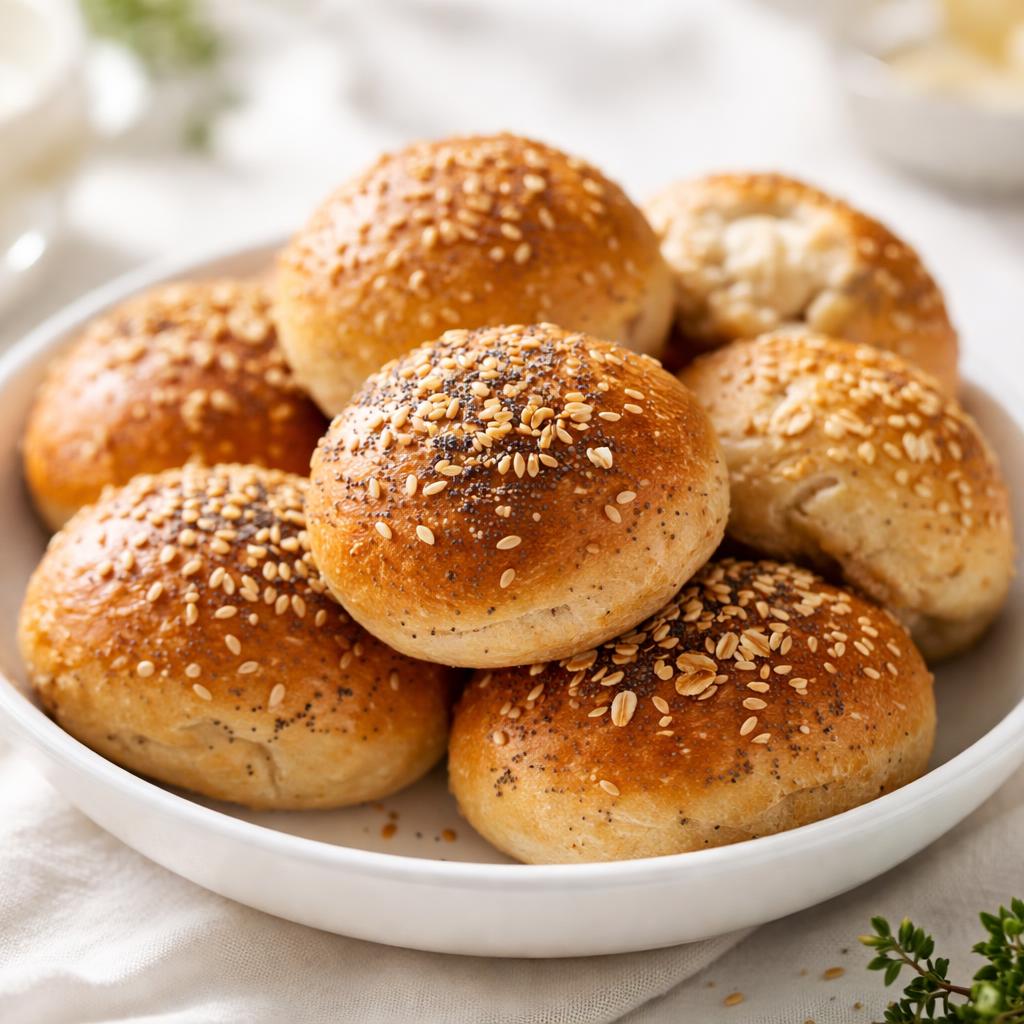
Bread Rolls
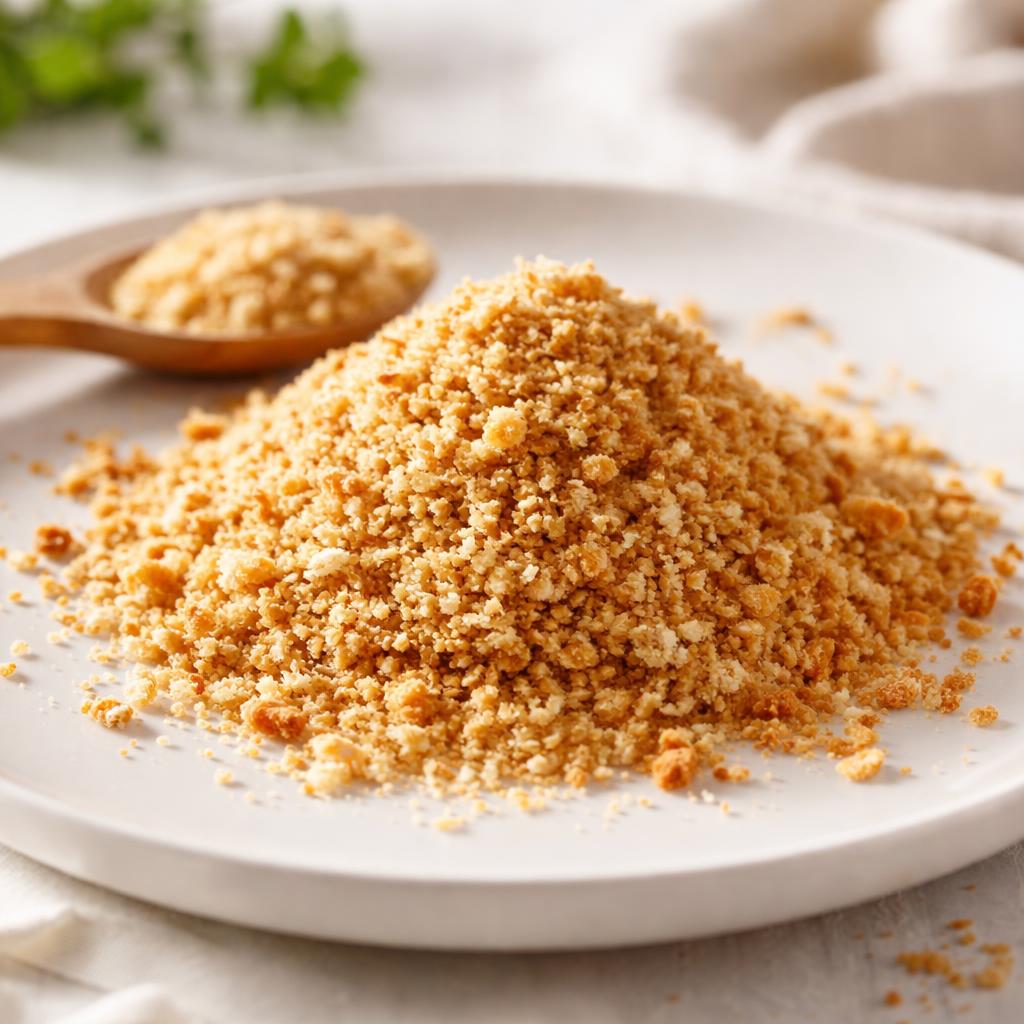
Breadcrumbs
🎯 Quick Verdict
Bread rolls are more versatile and provide a fresher source of carbohydrates, while breadcrumbs are calorie-dense but richer in protein and fiber. Breadcrumbs are better suited for recipes requiring texture and binding, while bread rolls work well for sandwiches or as a standalone food item.

Smart Nutrition Tracking with SnapCalorie

📊 Nutritional Comparison
Macronutrients
| Nutrient | Food 1 | Food 2 | Winner |
|---|---|---|---|
| Calories | 240 | 200 | ✓ |
| Protein | 7g | 12g | ✓ |
| Carbs | 45g | 41g | ✓ |
| Fat | 3g | 2g | ✓ |
| Fiber | 2g | 4g | ✓ |
Vitamins & Minerals
| Nutrient | Food 1 | Food 2 | Winner |
|---|---|---|---|
| Vitamin B6 | 0.05mg | 0.3mg | ✓ |
| Calcium | 20mg | 45mg | ✓ |
| Iron | 2mg | 3mg | ✓ |
🏆 Category Winners
Protein
Breadcrumbs contain nearly 70% more protein per serving.
Fiber
Breadcrumbs offer double the amount of fiber per serving.
Calories
Breadcrumbs are slightly lower in calories.
🥗 Diet Compatibility
Keto
Food 1: Not Compatible
Food 2: Not Compatible
Both foods are high in carbohydrates.
Vegan
Food 1: Compatible
Food 2: Compatible
Both are plant-based as long as ingredients do not include added animal products.
Gluten Free
Food 1: Not Compatible
Food 2: Not Compatible
Both foods typically contain gluten from wheat.
Paleo
Food 1: Not Compatible
Food 2: Not Compatible
Neither fit Paleo diets due to processed grains.
Low-Carb
Food 1: Not Compatible
Food 2: Not Compatible
Both have moderate to high carbohydrate content, exceeding low-carb limits.
💪 Health Benefits Comparison
Food 1 Benefits
- Provides quick energy through carbohydrates
- Soft and low-fat option for sandwiches or meals
- Fortified with vitamins depending on preparation
Food 2 Benefits
- Rich in protein for body repair and maintenance
- Higher concentration of fiber for digestive health
- Can add texture and crunch while maximizing nutrients in recipes
✅ The Bottom Line
Choose bread rolls for fresh, versatile uses like sandwiches or as a side for meals. Opt for breadcrumbs when you need higher protein, fiber, and lower calories in recipes requiring coating or binding functions.
Choose Food 1 for: Everyday breads, side dishes, softer options for meals
Choose Food 2 for: Adding crunch to recipes, enhancing protein, fiber intake


