Bread Rolls VS Bread With Peanut Butter
A detailed nutritional comparison
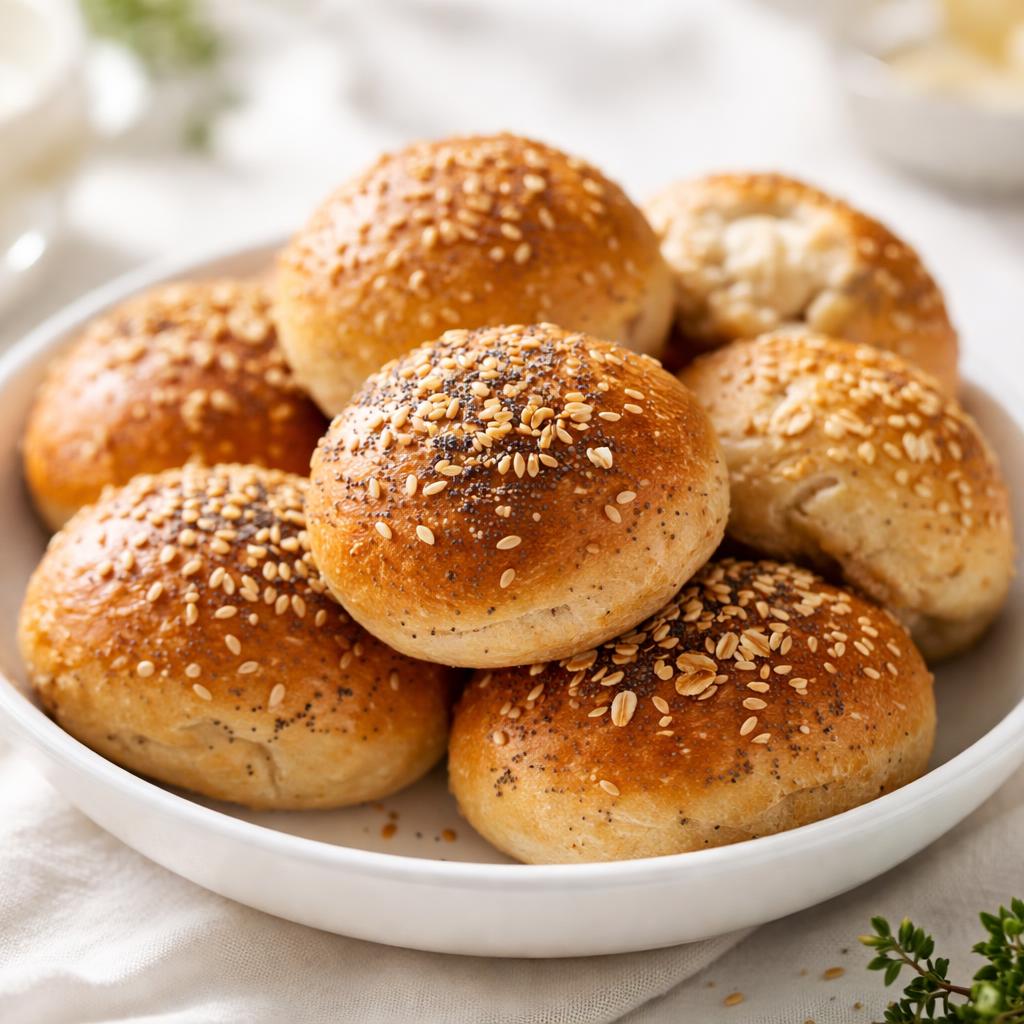
Bread Rolls
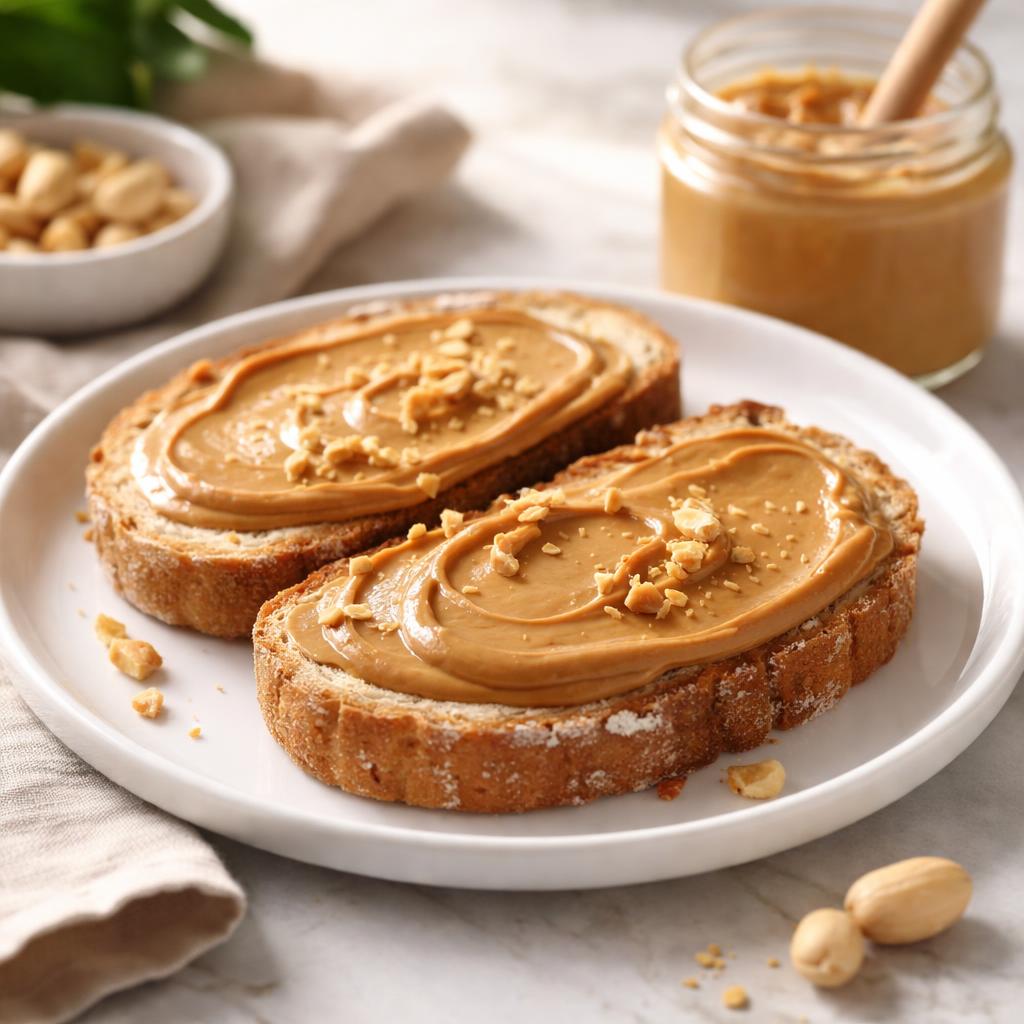
Bread With Peanut Butter
🎯 Quick Verdict
Bread rolls are lower in calories and have slightly more fiber, making them a lighter option overall. Bread with peanut butter, however, is higher in protein and provides healthy fats along with added vitamins and minerals, making it a better choice for sustained energy and nutrient density. Choose bread rolls for lighter meals or bread with peanut butter for a more nutrient-packed snack or breakfast.

Smart Nutrition Tracking with SnapCalorie

📊 Nutritional Comparison
Macronutrients
| Nutrient | Food 1 | Food 2 | Winner |
|---|---|---|---|
| Calories | 120 | 250 | − |
| Protein | 4g | 9g | − |
| Carbs | 22g | 20g | − |
| Fat | 2g | 12g | − |
| Fiber | 2g | 1.5g | − |
Vitamins & Minerals
| Nutrient | Food 1 | Food 2 | Winner |
|---|---|---|---|
| Vitamin D | 0mcg | 0mcg | − |
| Calcium | 25mg | 50mg | − |
| Iron | 1mg | 1.5mg | − |
🏆 Category Winners
Protein
Bread with peanut butter has 125% more protein than bread rolls.
Fiber
Bread rolls contain 33% more fiber than bread with peanut butter.
Calories
Bread rolls have 52% fewer calories, making them a lighter option overall.
🥗 Diet Compatibility
Keto
Food 1: Unknown
Food 2: Unknown
Both foods have relatively high carbohydrate content.
Vegan
Food 1: Unknown
Food 2: Unknown
Neither food contains animal-derived ingredients.
Gluten Free
Food 1: Unknown
Food 2: Unknown
Both foods contain wheat-based bread.
Paleo
Food 1: Unknown
Food 2: Unknown
Bread and peanut butter are not allowed on strict paleo diets.
Low-Carb
Food 1: Unknown
Food 2: Unknown
Both foods have more than 20g of carbs per serving.
💪 Health Benefits Comparison
Food 1 Benefits
Food 2 Benefits
✅ The Bottom Line
Bread rolls are great for those seeking a lower-calorie option that still delivers fiber and some basic nutrients. Bread with peanut butter excels as a more nutrient-dense, high-protein choice featuring healthy fats, making it ideal for more active individuals or as a satisfying, sustained-energy snack.


