Bread Rolls VS Baked Pasta
A detailed nutritional comparison
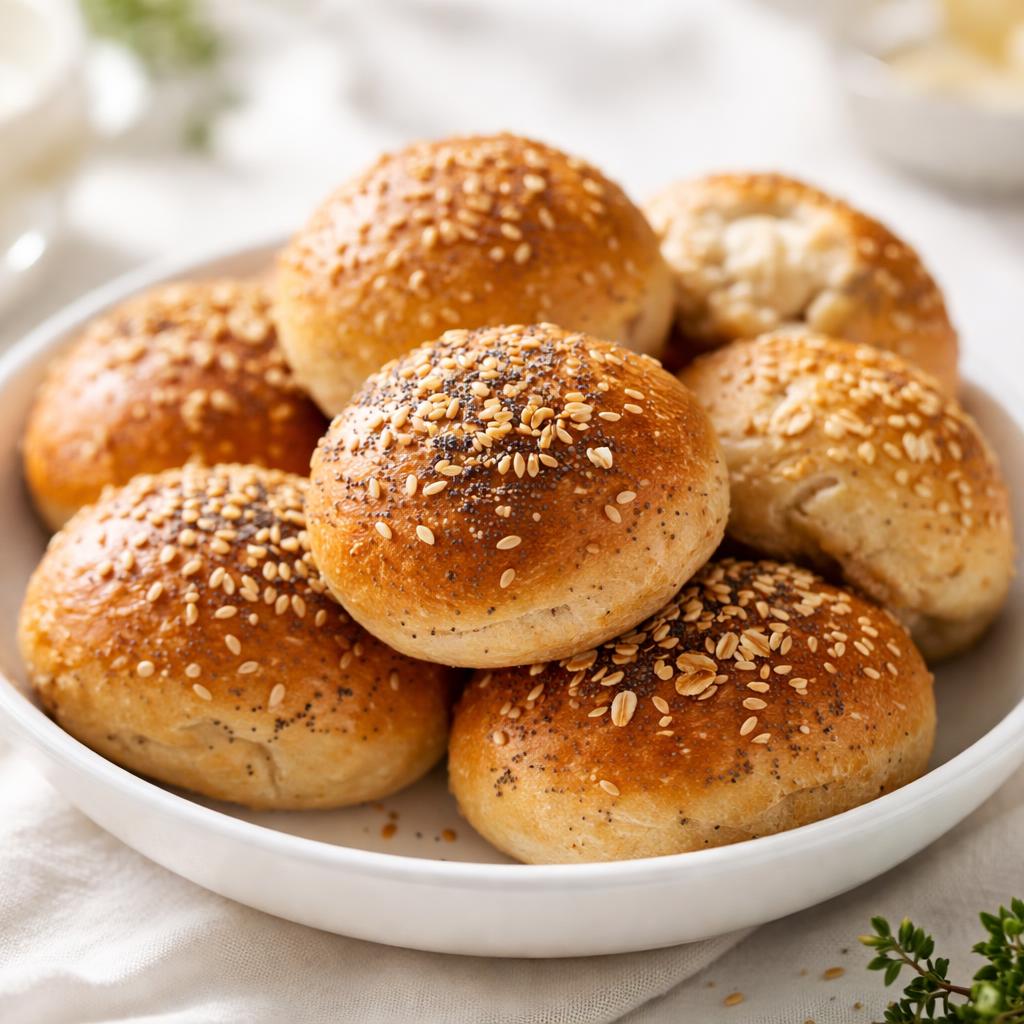
Bread Rolls
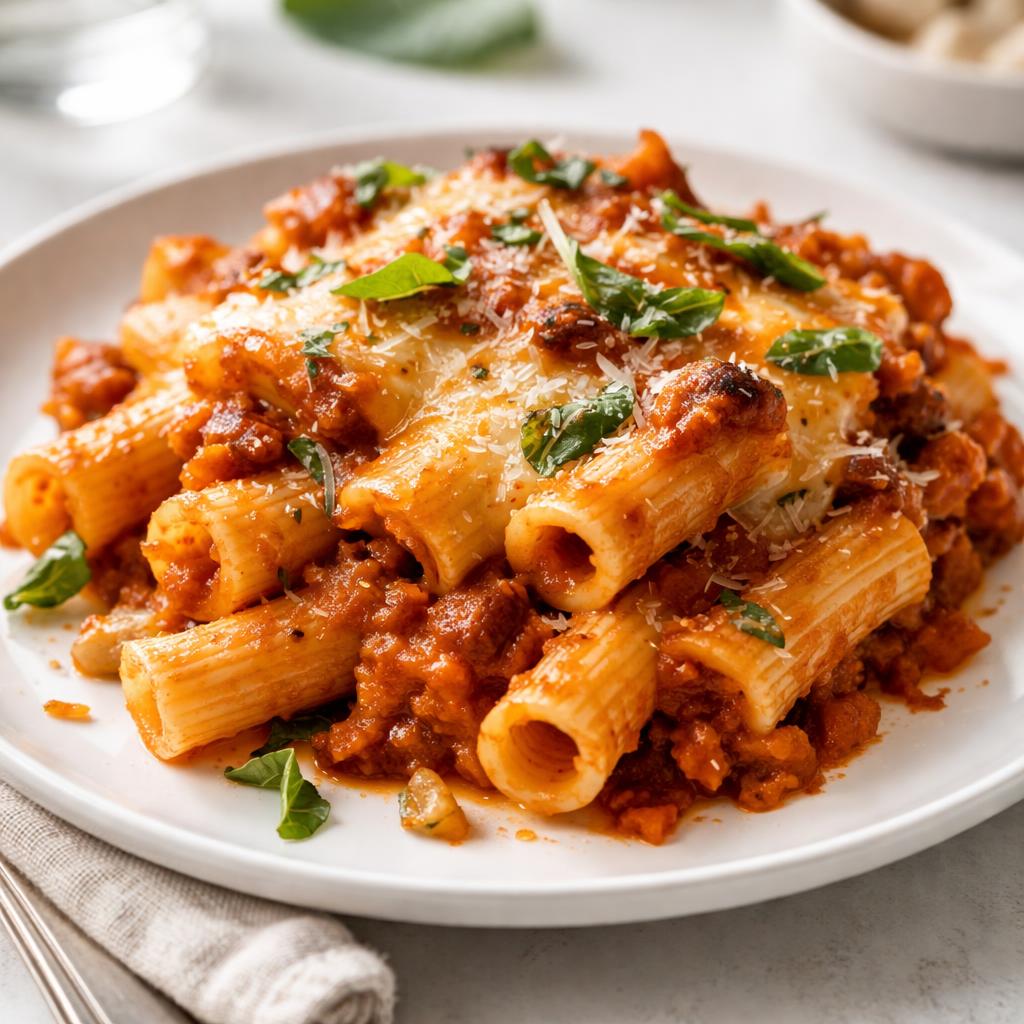
Baked Pasta
🎯 Quick Verdict
Baked pasta offers more protein and fiber per serving, making it suitable for those seeking sustained energy and muscle support. Bread rolls are lower in calories and carbs, making them a lighter choice, ideal for weight management or lower-carb diets. Each food has unique benefits depending on dietary goals.

Smart Nutrition Tracking with SnapCalorie

📊 Nutritional Comparison
Macronutrients
| Nutrient | Food 1 | Food 2 | Winner |
|---|---|---|---|
| Calories | 130 | 260 | ✓ |
| Protein | 4g | 10g | ✓ |
| Carbs | 24g | 40g | ✓ |
| Fat | 1g | 8g | ✓ |
| Fiber | 2g | 5g | ✓ |
Vitamins & Minerals
| Nutrient | Food 1 | Food 2 | Winner |
|---|---|---|---|
| Vitamin D | 0mcg | 1mcg | ✓ |
| Calcium | 45mg | 150mg | ✓ |
| Iron | 1mg | 2mg | ✓ |
🏆 Category Winners
Protein
Baked pasta has 2.5x more protein than bread rolls.
Fiber
Baked pasta contains 150% more fiber, aiding digestion.
Calories
Bread rolls have 50% fewer calories per serving than baked pasta.
Vitamins
Baked pasta is richer in calcium, iron, and vitamin D.
🥗 Diet Compatibility
Keto
Food 1: Not Compatible
Food 2: Not Compatible
Both are high in carbohydrates.
Vegan
Food 1: Compatible
Food 2: Depends on preparation
Bread rolls are usually vegan, while baked pasta may include dairy or meat.
Gluten Free
Food 1: Not Compatible
Food 2: Not Compatible
Both are typically made with gluten-containing ingredients.
Paleo
Food 1: Not Compatible
Food 2: Not Compatible
Both foods use grains which are not allowed on paleo diets.
Low-Carb
Food 1: Partially Compatible
Food 2: Not Compatible
Bread rolls have fewer carbs per serving compared to baked pasta.
💪 Health Benefits Comparison
Food 1 Benefits
- Low in calories for weight management
- Source of quick energy from carbohydrates
- Easy to pair with protein or vegetables for balanced meals
Food 2 Benefits
- High in protein for muscle repair and maintenance
- Good source of fiber for digestion and gut health
- Rich in calcium for bone support
✅ The Bottom Line
Choose bread rolls for a lighter option or as part of a lower-calorie meal. Select baked pasta for a nutrient-dense, filling choice rich in protein and fiber, ideal for active lifestyles or post-workout meals.
Choose Food 1 for: Weight loss, quick snacks, pairing with soups or salads
Choose Food 2 for: Muscle building, long-lasting energy, nutrient-dense meals


