Bread Roll VS Seeded Bread
A detailed nutritional comparison
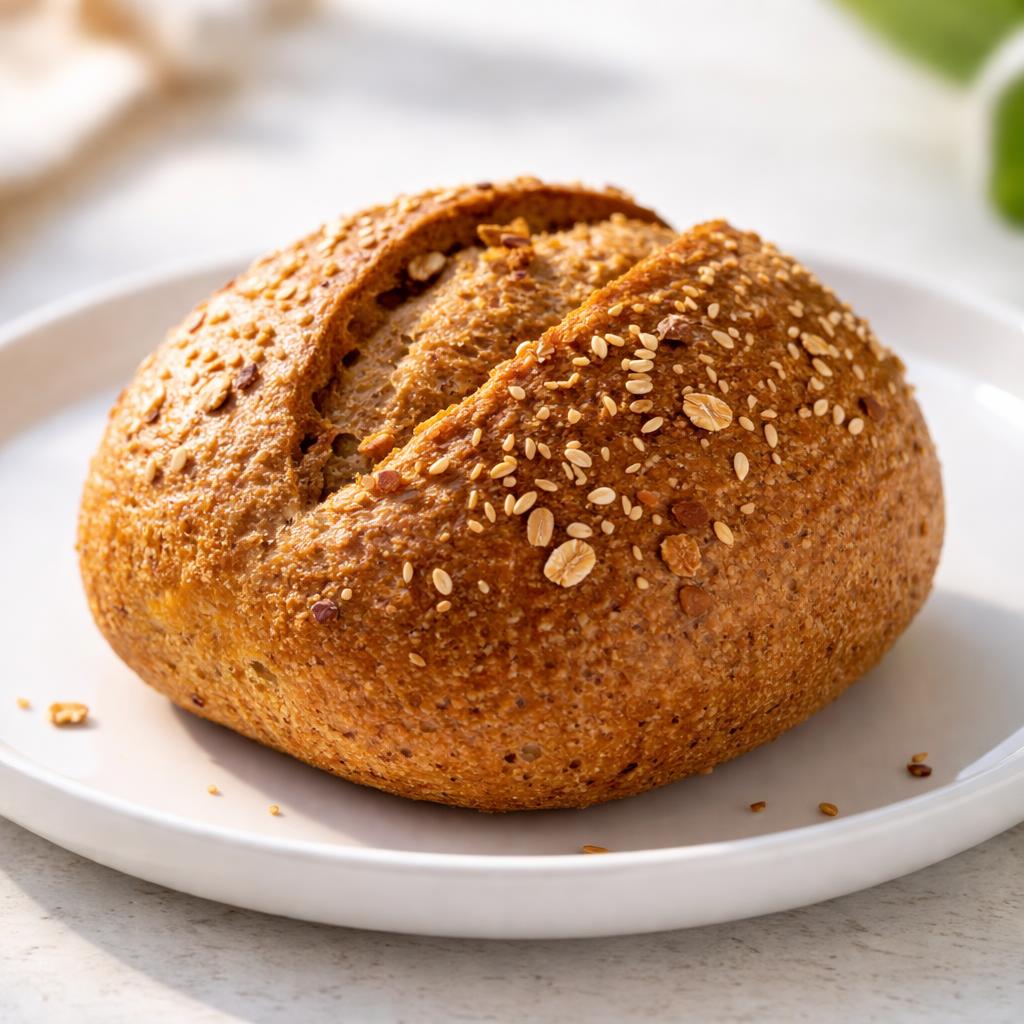
Bread Roll
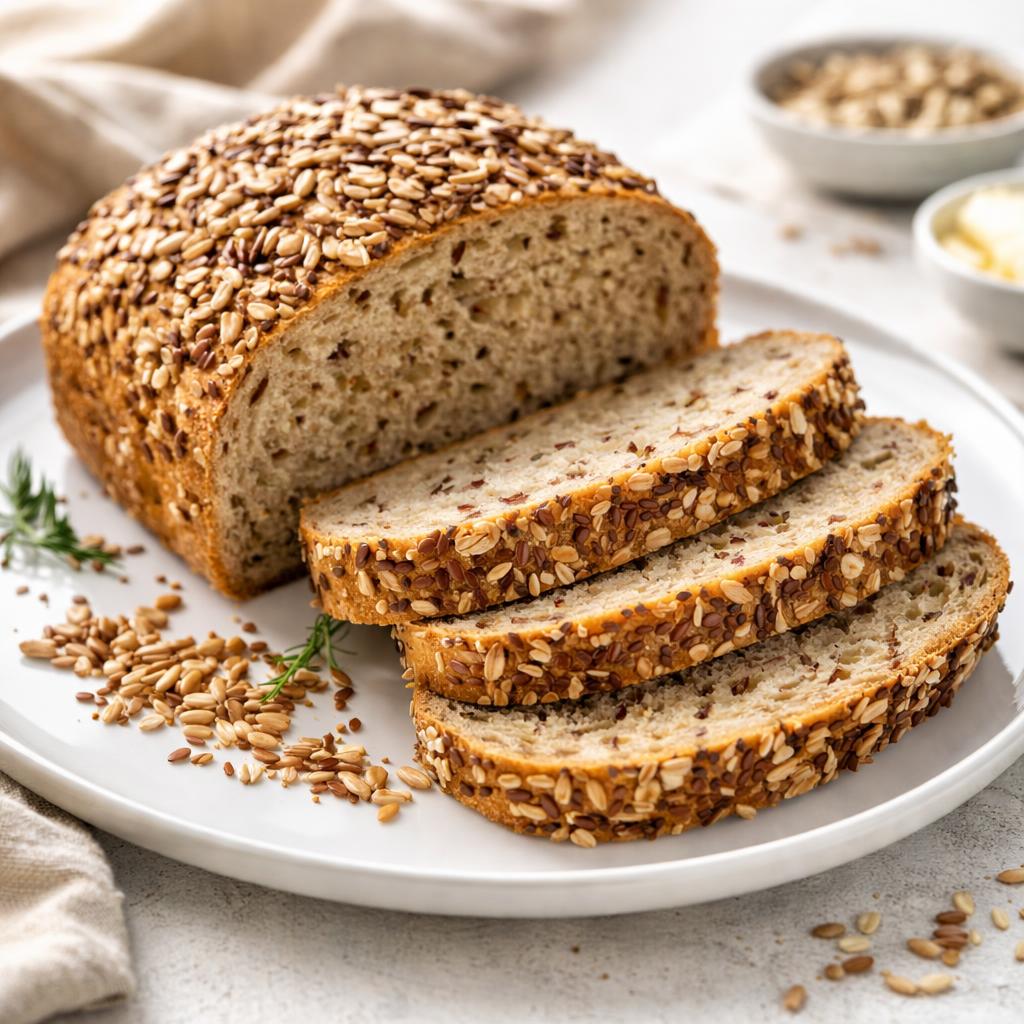
Seeded Bread
🎯 Quick Verdict
Seeded bread offers more nutritional value than a plain bread roll, as it is higher in protein, fiber, and minerals thanks to the added seeds. A bread roll is slightly less nutrient-dense, making it suitable for simpler meals or snacks without additional benefits. Seeded bread is ideal for individuals seeking nutrient-rich bread options, especially those looking for higher protein and fiber content in their diet.

Smart Nutrition Tracking with SnapCalorie

📊 Nutritional Comparison
Macronutrients
| Nutrient | Food 1 | Food 2 | Winner |
|---|---|---|---|
| Calories | − | ||
| Protein | − | ||
| Carbs | − | ||
| Fat | − | ||
| Fiber | − |
Vitamins & Minerals
| Nutrient | Food 1 | Food 2 | Winner |
|---|---|---|---|
| Vitamin D | − | ||
| Calcium | − | ||
| Iron | − |
🏆 Category Winners
Protein
Seeded bread has 60% more protein per serving.
Fiber
Seeded bread provides 200% more fiber.
Calories
Both foods contain roughly the same amount of calories.
Vitamins
Seeded bread offers higher minerals like calcium and iron due to the seeds.
🥗 Diet Compatibility
Keto
Food 1: Unknown
Food 2: Unknown
Both options are high in carbs and not suitable for keto diets.
Vegan
Food 1: Unknown
Food 2: Unknown
Neither contains any animal-derived ingredients, making them suitable for vegans.
Gluten Free
Food 1: Unknown
Food 2: Unknown
Both contain gluten from wheat and are not suitable for gluten-free diets.
Paleo
Food 1: Unknown
Food 2: Unknown
Both contain grains, which are avoided in paleo diets.
Low Carb
Food 1: Unknown
Food 2: Unknown
Both foods exceed typical low-carb thresholds due to carbohydrate content.
💪 Health Benefits Comparison
Food 1 Benefits
Food 2 Benefits
✅ The Bottom Line
Bread rolls are a simple, versatile option for quick energy and light meals but lack significant nutritional benefits. Seeded bread is the better choice for nutrient density, offering more protein, fiber, and healthy fats for overall health and satiety. Choose bread rolls for basic snacks or pairing with nutrient-rich toppings, and opt for seeded bread when looking for a healthier, more filling bread option.


