Bread Roll VS Rice Noodle
A detailed nutritional comparison
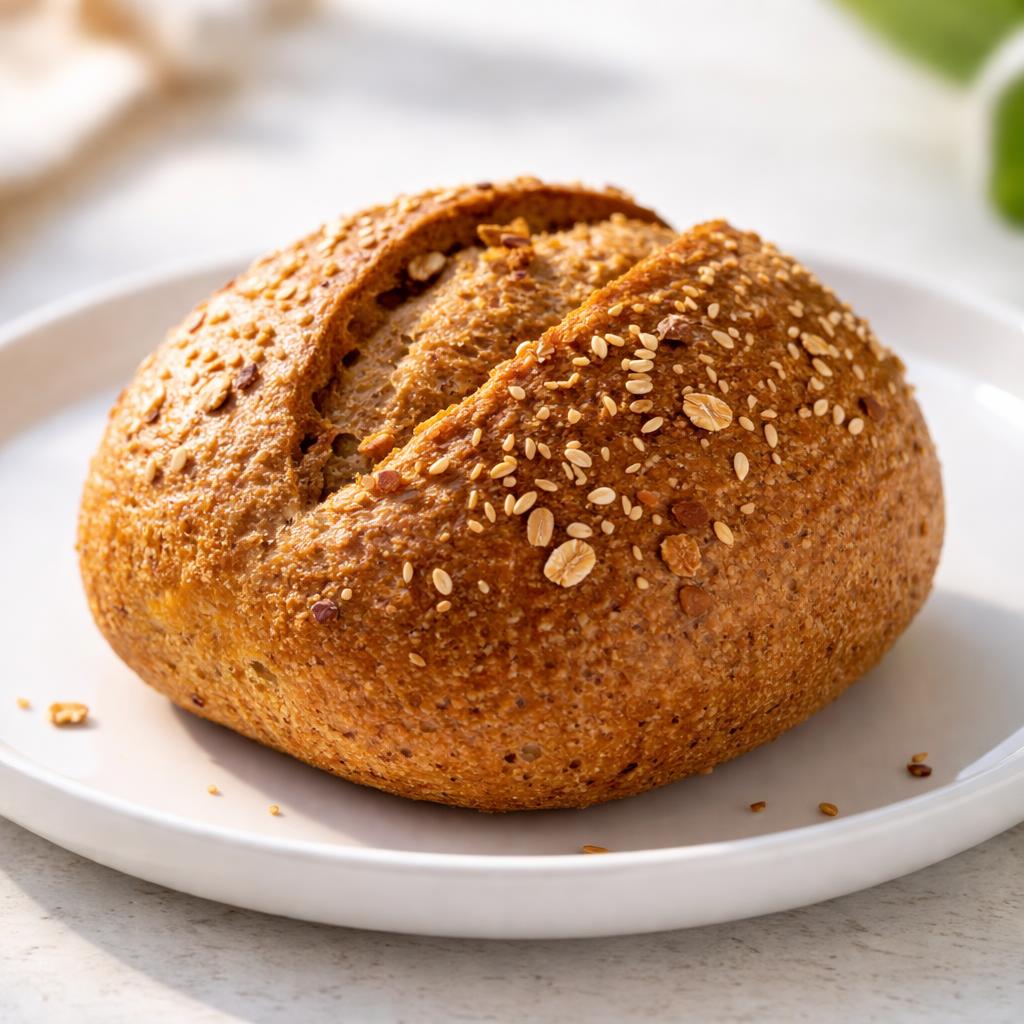
Bread Roll
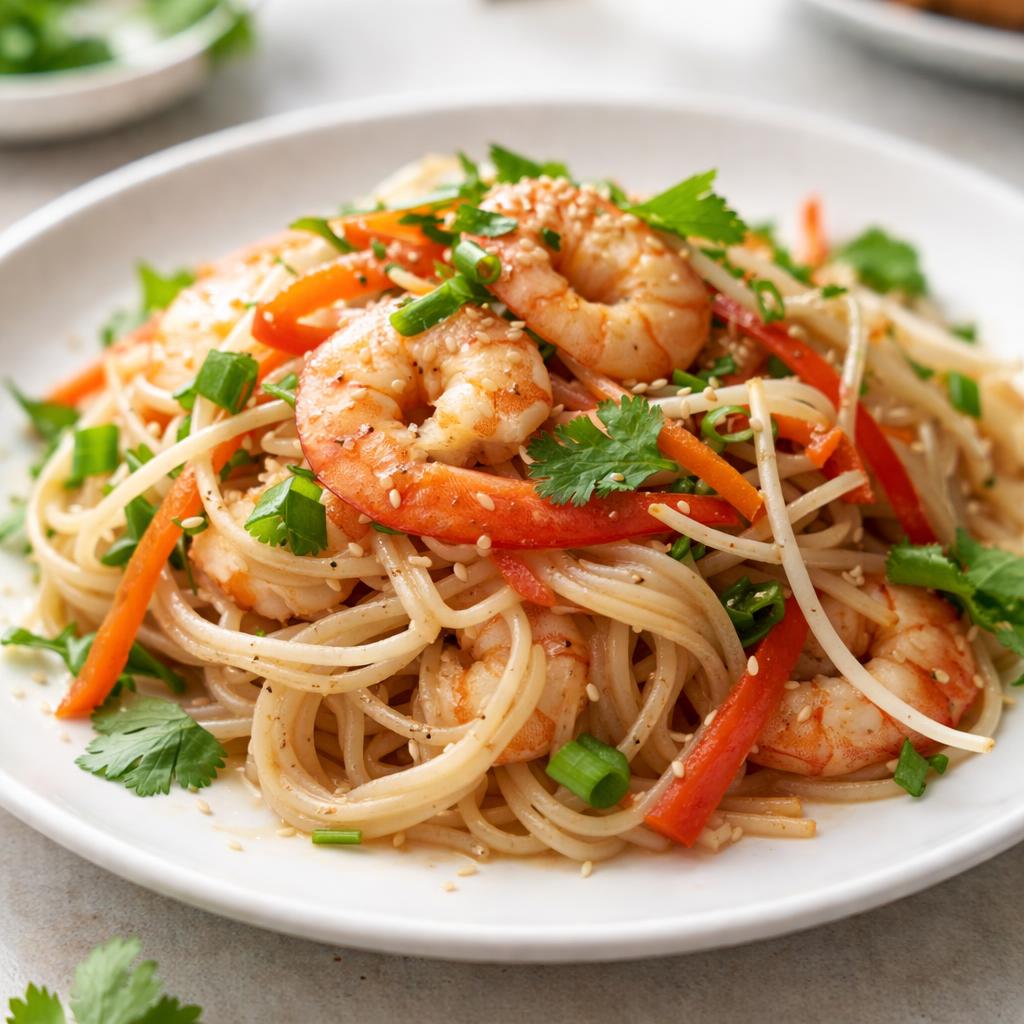
Rice Noodle
🎯 Quick Verdict
Bread roll and rice noodles have differing nutritional profiles. Bread roll is higher in protein and fiber, making it suitable for those requiring more sustenance or digestive support. Rice noodles are lower in fat and sodium, ideal for light meals or gluten-sensitive individuals. The bread roll is slightly more versatile in balanced diets due to its higher nutrient density.

Smart Nutrition Tracking with SnapCalorie

📊 Nutritional Comparison
Macronutrients
| Nutrient | Food 1 | Food 2 | Winner |
|---|---|---|---|
| Calories | 180 | 190 | − |
| Protein | 6g | 2g | ✓ |
| Carbs | 33g | 42g | ✓ |
| Fat | 2g | 0.5g | ✓ |
| Fiber | 2.5g | 0.5g | ✓ |
Vitamins & Minerals
| Nutrient | Food 1 | Food 2 | Winner |
|---|---|---|---|
| Vitamin B6 | 0.1mg | 0.02mg | ✓ |
| Folate | 40mcg | 15mcg | ✓ |
| Calcium | 25mg | 2mg | ✓ |
| Iron | 2mg | 0.3mg | ✓ |
🏆 Category Winners
Protein
Bread roll provides three times as much protein as rice noodles.
Fiber
Bread roll contains roughly five times the fiber of rice noodles.
Calories
Bread roll and rice noodles contain comparable calorie levels.
Vitamins
Bread roll offers higher levels of key vitamins like folate and calcium.
🥗 Diet Compatibility
Keto
Food 1: Not Compatible
Food 2: Not Compatible
Both foods are high in carbohydrates.
Vegan
Food 1: Compatible
Food 2: Compatible
Both foods are plant-based and vegan-friendly.
Gluten Free
Food 1: Not Compatible
Food 2: Compatible
Rice noodles are gluten-free, while bread rolls typically contain wheat.
Paleo
Food 1: Not Compatible
Food 2: Compatible
Rice noodles align better with paleo principles due to their minimal processing.
Low Carb
Food 1: Not Compatible
Food 2: Not Compatible
Both foods are relatively high in carbohydrates, making them unsuitable for low-carb diets.
💪 Health Benefits Comparison
Food 1 Benefits
- Higher protein content supports muscle maintenance.
- Provides dietary fiber for improved digestion and gut health.
- Contains more vitamins (e.g., folate, calcium) for bone and cellular health.
Food 2 Benefits
- Gluten-free, making it suitable for individuals with wheat sensitivities or celiac disease.
- Low fat content supports heart health and lower calorie meals.
- Easily digestible, suitable for light diets or post-illness recovery.
✅ The Bottom Line
Bread roll is nutritionally denser, offering more protein and fiber, making it ideal for balanced meals or post-workout recovery. Rice noodles are preferred in gluten-free or paleo diets and for light, easily digestible meals.
Choose Food 1 for: Balanced diets, high-protein meals, improved digestion
Choose Food 2 for: Gluten-free diets, paleo meals, light and easily digestible dishes


