Bread Roll VS Rice Crispy
A detailed nutritional comparison
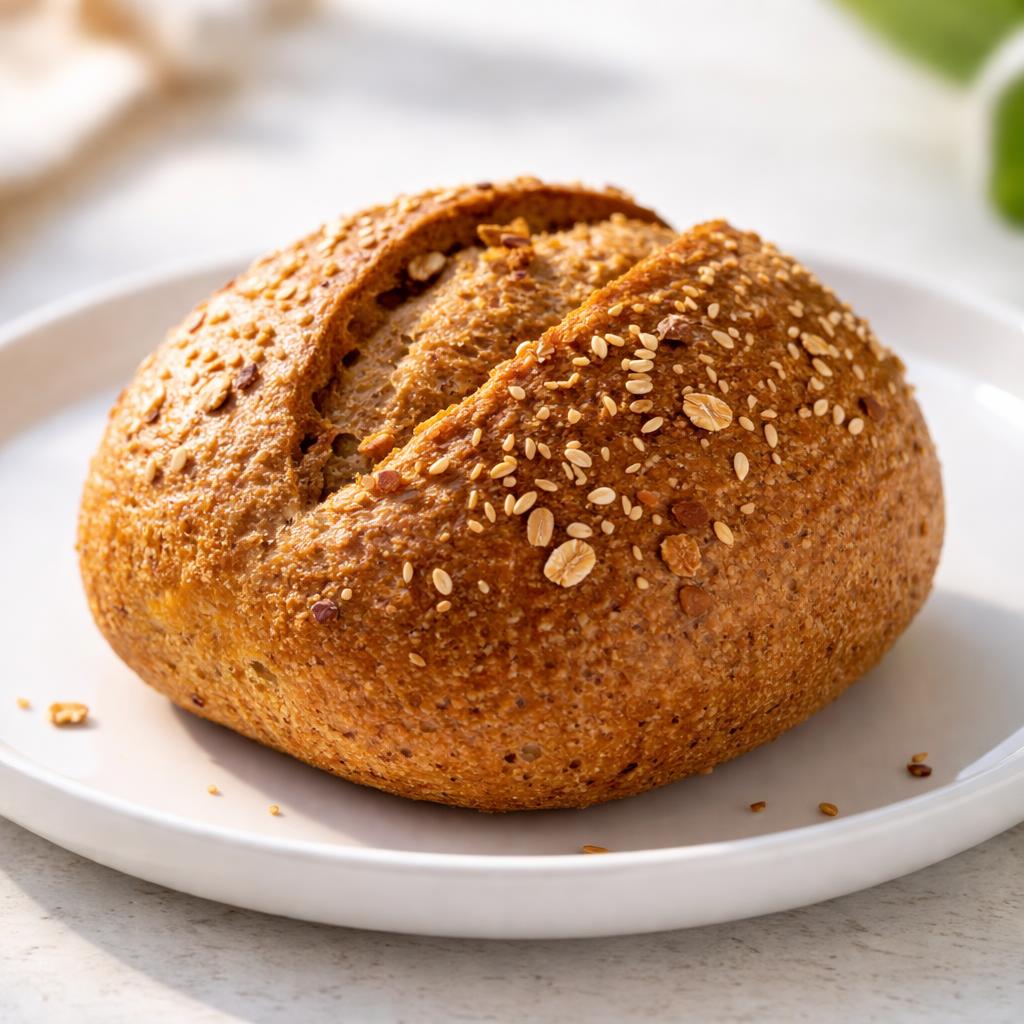
Bread Roll
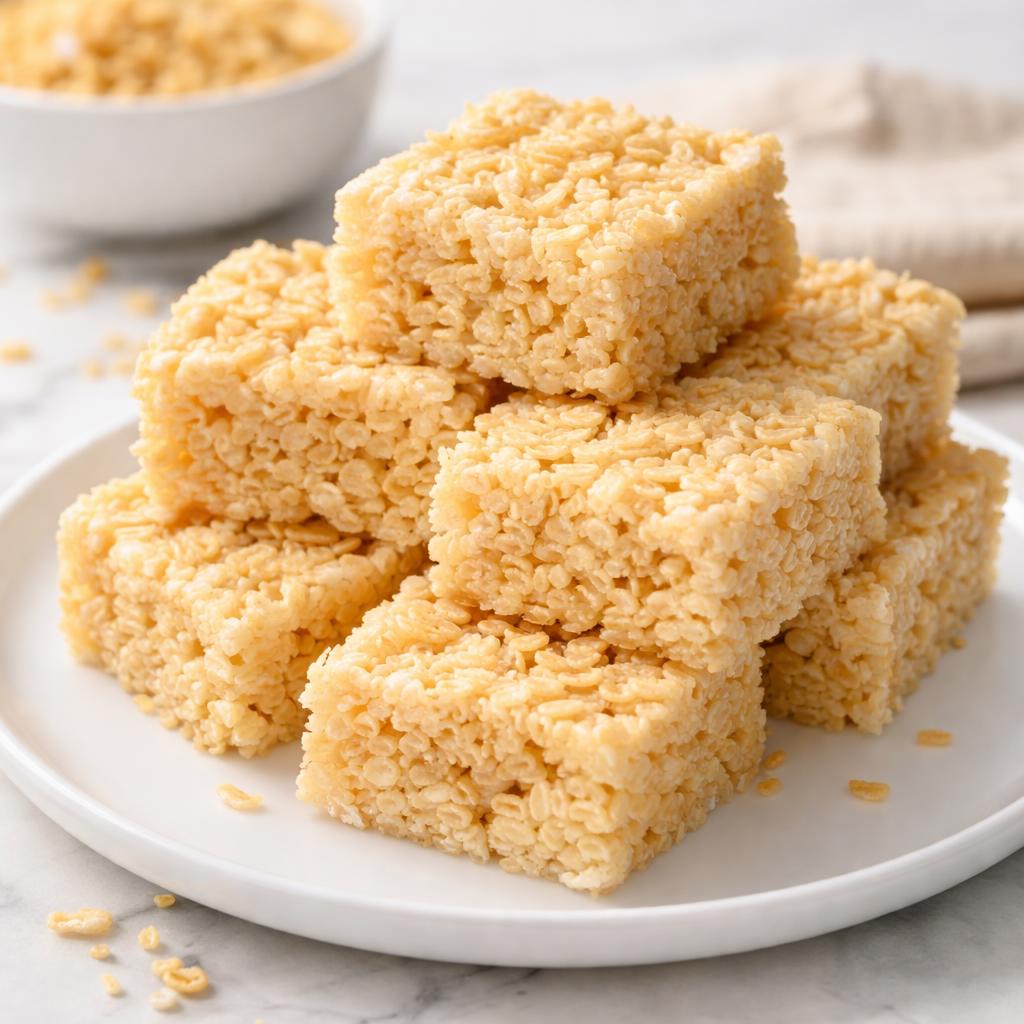
Rice Crispy
🎯 Quick Verdict
Bread rolls are higher in protein, fiber, and contain more micronutrients compared to rice crisps. Rice crisps are lighter in calories and better for low-calorie snack options but less nutritionally dense overall. Bread rolls are suitable for sustained energy and satiety, whereas rice crisps are a quick, low-calorie treat for those avoiding heavy foods.

Smart Nutrition Tracking with SnapCalorie

📊 Nutritional Comparison
Macronutrients
| Nutrient | Food 1 | Food 2 | Winner |
|---|---|---|---|
| Calories | 140 | 110 | ✓ |
| Protein | 5g | 1g | ✓ |
| Carbs | 25g | 21g | ✓ |
| Fat | 2g | 0.5g | ✓ |
| Fiber | 2g | 0g | ✓ |
Vitamins & Minerals
| Nutrient | Food 1 | Food 2 | Winner |
|---|---|---|---|
| Vitamin D | 0mcg | 0mcg | − |
| Calcium | 50mg | 5mg | ✓ |
| Iron | 1mg | 0.2mg | ✓ |
🏆 Category Winners
Protein
Bread rolls provide 5 times more protein than rice crisps.
Fiber
Bread rolls contain 2g of fiber, while rice crisps have no fiber.
Calories
Rice crisps have 30 fewer calories per serving compared to bread rolls.
Vitamins
Bread rolls have higher amounts of calcium and iron compared to rice crisps.
🥗 Diet Compatibility
Keto
Food 1: Not Compatible
Food 2: Not Compatible
Both foods are high in carbs and unsuitable for a keto diet.
Vegan
Food 1: Compatible
Food 2: Compatible
Both foods are plant-based and do not contain animal products.
Gluten Free
Food 1: Not Compatible
Food 2: Compatible
Rice crisps are naturally gluten-free, but bread rolls contain gluten.
Paleo
Food 1: Not Compatible
Food 2: Not Compatible
Both foods contain processed ingredients unsuitable for a paleo diet.
Low Carb
Food 1: Not Compatible
Food 2: Not Compatible
Carbohydrate content is too high in both foods to qualify as low-carb.
💪 Health Benefits Comparison
Food 1 Benefits
- Provides sustained energy due to higher fiber and protein.
- Good source of iron for oxygen transport in the body.
- Contains some calcium for bone health.
Food 2 Benefits
- Light in calories, suitable for calorie-conscious diets.
- Easy to digest, making it a good snack option.
- Gluten-free, suitable for individuals with gluten intolerance.
✅ The Bottom Line
Bread rolls are better for nutrient density, providing more protein and fiber with moderate calorie content, making them ideal for energy and satiety. Rice crisps are lighter on calories and easier to digest, suitable for quick snacks but lack significant nutritional value.
Choose Food 1 for: Sustained energy, light meal options, higher protein diets
Choose Food 2 for: Low-calorie snacks, gluten-free diets, easy digestion


