Bread Roll VS Homemade Bread
A detailed nutritional comparison
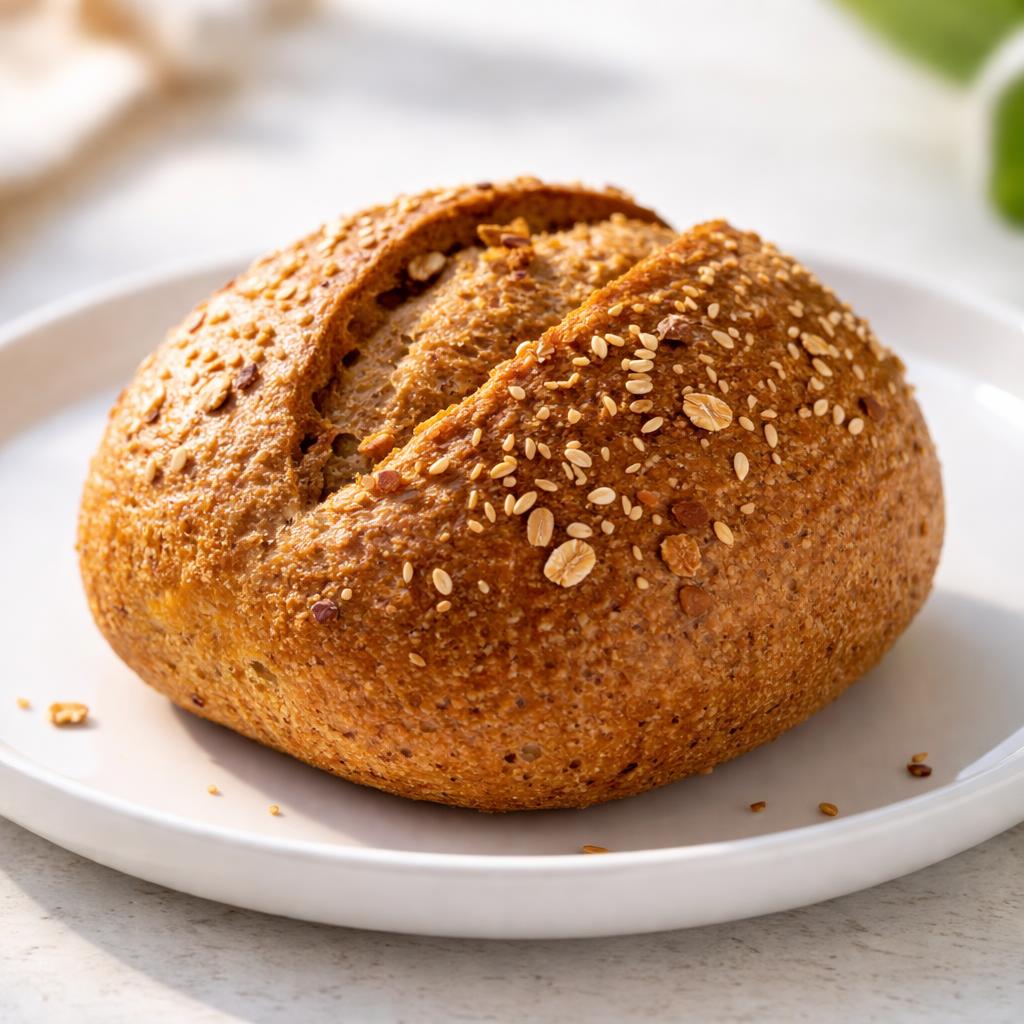
Bread Roll
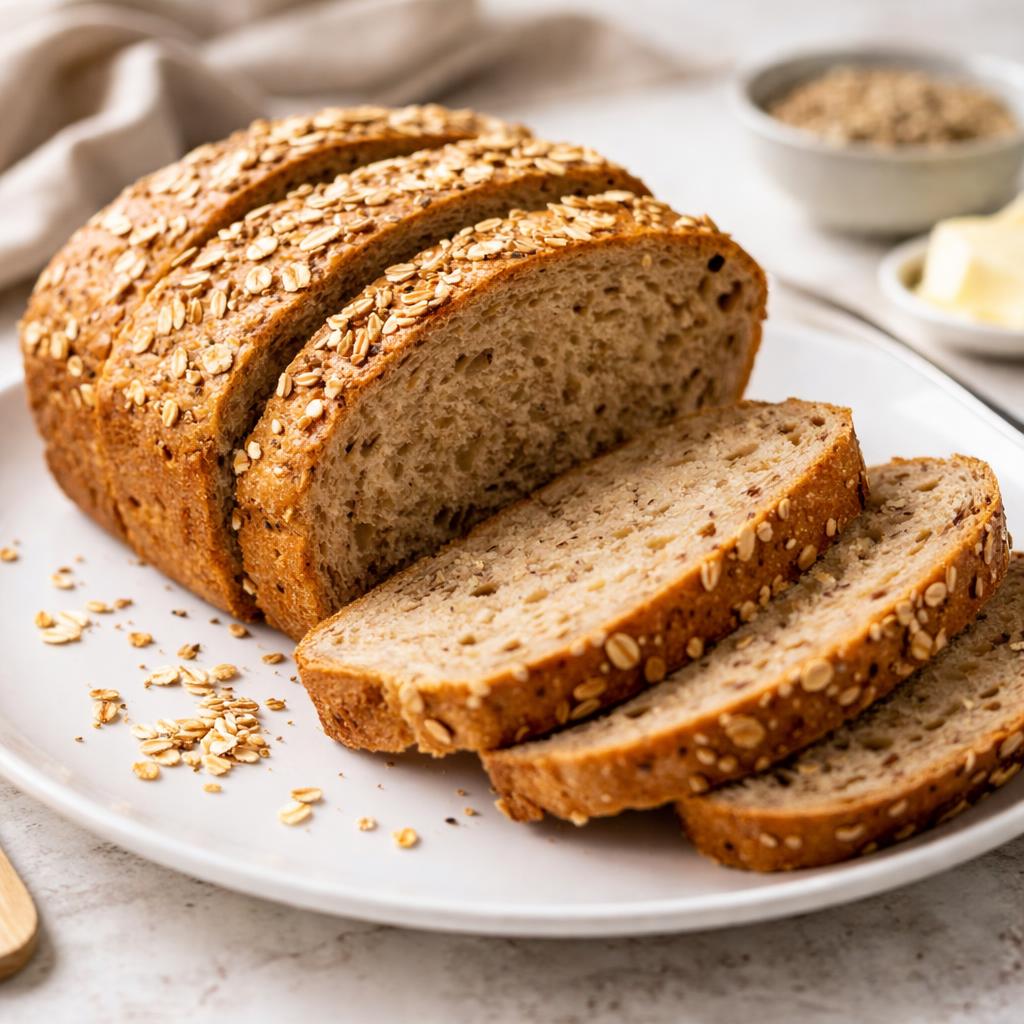
Homemade Bread
🎯 Quick Verdict
Bread roll and homemade bread have comparable calorie counts, but homemade bread stands out as a better source of fiber and tends to have fewer additives. Bread rolls are generally more convenient, while homemade bread offers more control over ingredients and nutritional value, making it a healthier choice for mindful eaters.

Smart Nutrition Tracking with SnapCalorie

📊 Nutritional Comparison
Macronutrients
| Nutrient | Food 1 | Food 2 | Winner |
|---|---|---|---|
| Calories | 200 | 200 | − |
| Protein | 6g | 6g | − |
| Carbs | 38g | 35g | − |
| Fat | 2g | 1.5g | − |
| Fiber | 1g | 3g | − |
Vitamins & Minerals
| Nutrient | Food 1 | Food 2 | Winner |
|---|---|---|---|
| Vitamin D | 0mcg | 0mcg | − |
| Calcium | 30mg | 40mg | − |
| Iron | 0.8mg | 1.2mg | − |
🏆 Category Winners
Protein
Both foods provide the same amount of protein (6g per serving).
Fiber
Homemade bread offers triple the fiber compared to the bread roll.
Calories
Both foods contain 200 calories per serving.
Vitamins
Homemade bread provides slightly more calcium and iron compared to bread rolls.
🥗 Diet Compatibility
Keto
Food 1: Not Compatible
Food 2: Not Compatible
Both are high in carbs.
Vegan
Food 1: Conditionally Compatible
Food 2: Conditionally Compatible
May contain dairy depending on recipe/source.
Gluten Free
Food 1: Not Compatible
Food 2: Not Compatible
Neither food is gluten-free, as both are made with wheat flour.
Paleo
Food 1: Not Compatible
Food 2: Not Compatible
Bread is not compliant with paleo diets.
Low-Carb
Food 1: Not Compatible
Food 2: Not Compatible
Both exceed typical low-carb thresholds due to high carb content.
💪 Health Benefits Comparison
Food 1 Benefits
- Provides quick energy due to carbohydrate content
- Convenient for on-the-go meals
- Moderate protein source for maintaining muscle
Food 2 Benefits
- Higher fiber promotes digestion and gut health
- Nutritionally customizable based on ingredients used
- Lower in additives compared to commercial bread
✅ The Bottom Line
Bread rolls are a convenient option for quick meals but provide less fiber and fewer vitamins compared to homemade bread. Homemade bread is healthier overall due to higher fiber content and fewer additives, and it can be tailored to fit specific dietary needs.
Choose Food 1 for: Busy schedules, quick snacks, general convenience
Choose Food 2 for: Healthy eating, digestion support, mindful ingredient control


