Bread Roll VS Challah Bread
A detailed nutritional comparison
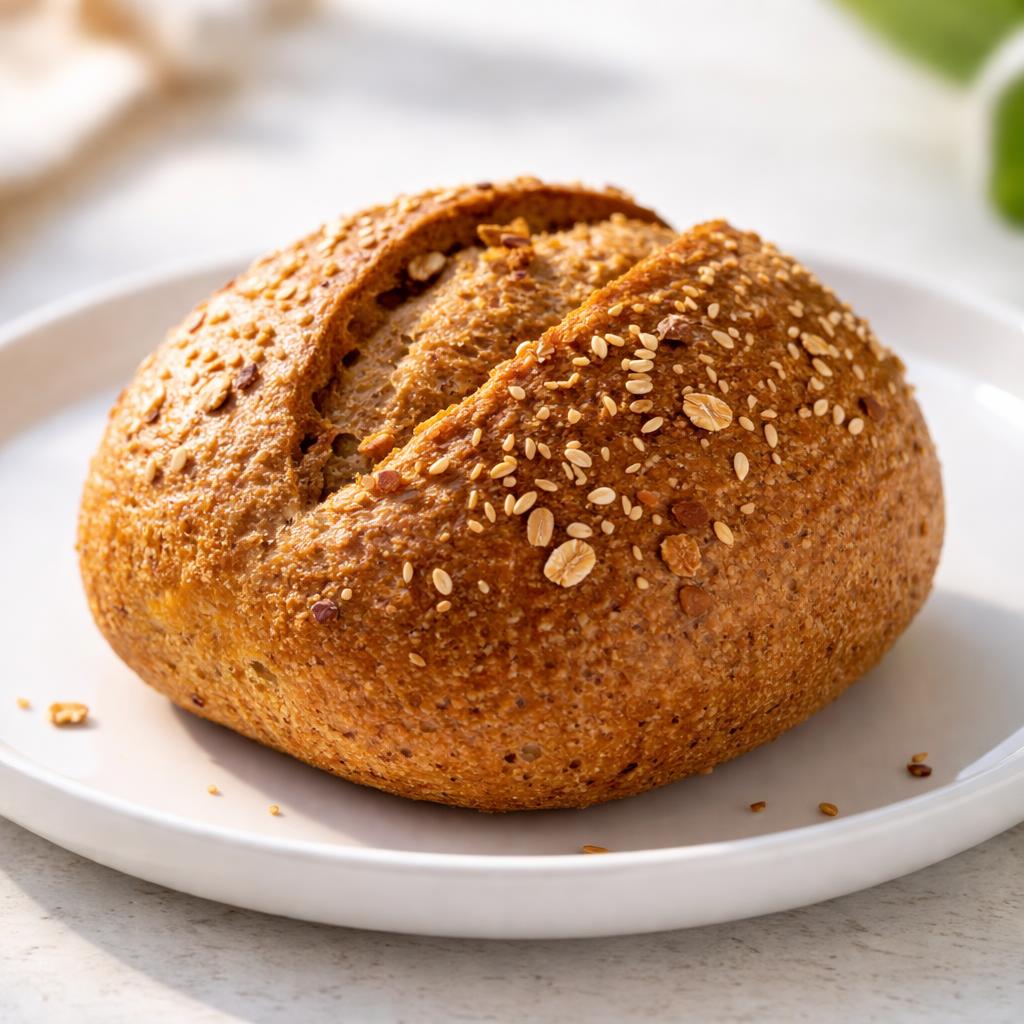
Bread Roll
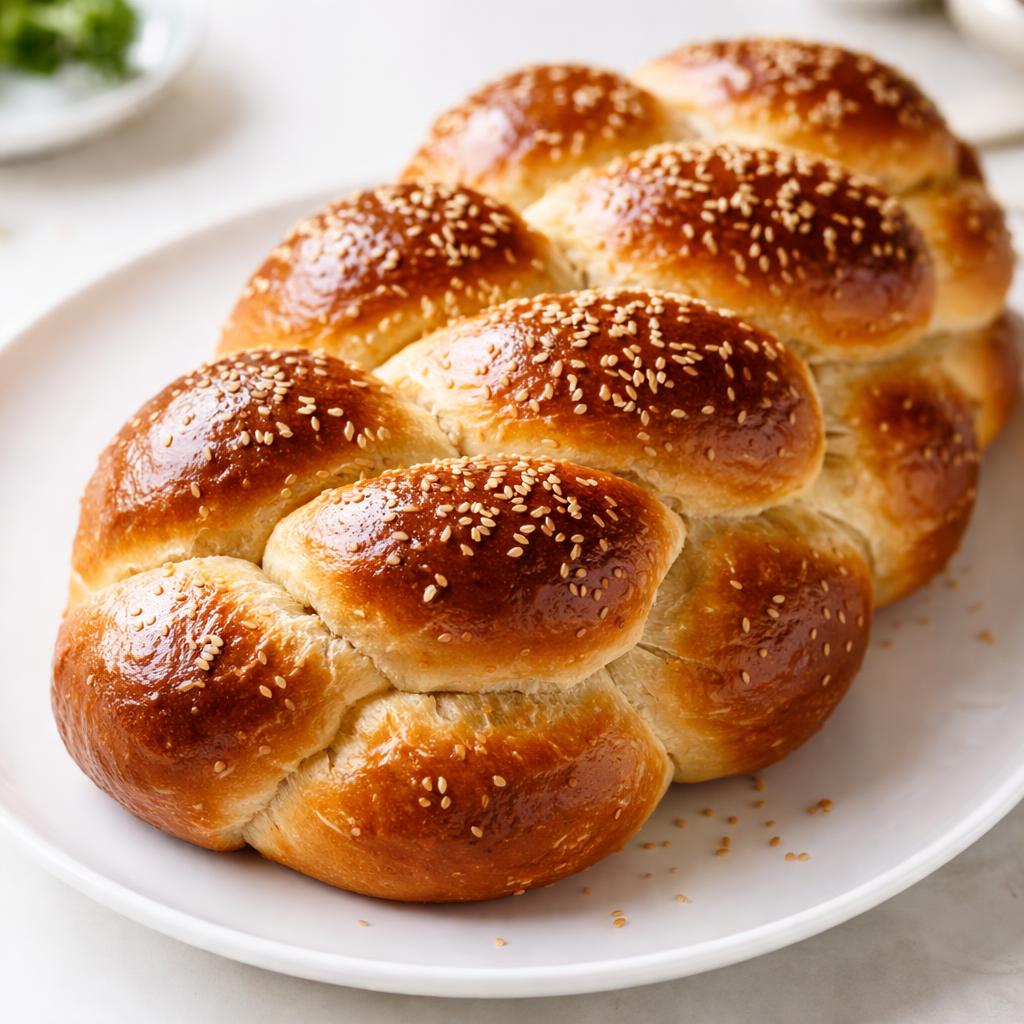
Challah Bread
🎯 Quick Verdict
Bread rolls are lighter in calories and provide more fiber and protein per serving compared to challah bread. Challah bread, a richer and sweeter option, is higher in fat and carbs, making it ideal for special occasions or a more indulgent meal. Bread rolls are better suited for everyday consumption and weight management goals, while challah works well for energy-dense dishes or festive recipes.

Smart Nutrition Tracking with SnapCalorie

📊 Nutritional Comparison
Macronutrients
| Nutrient | Food 1 | Food 2 | Winner |
|---|---|---|---|
| Calories | 160 | 290 | ✓ |
| Protein | 6g | 5g | ✓ |
| Carbs | 30g | 51g | ✓ |
| Fat | 2g | 9g | ✓ |
| Fiber | 2g | 1g | ✓ |
Vitamins & Minerals
| Nutrient | Food 1 | Food 2 | Winner |
|---|---|---|---|
| Vitamin D | 0mcg | 0mcg | − |
| Calcium | 30mg | 50mg | ✓ |
| Iron | 1mg | 2mg | ✓ |
🏆 Category Winners
Protein
Bread roll contains slightly more protein per serving.
Fiber
Bread roll has double the fiber content of challah bread.
Calories
Bread rolls are significantly lower in calories than challah bread.
Vitamins
Challah bread provides slightly more calcium and iron.
🥗 Diet Compatibility
Keto
Food 1: Not Compatible
Food 2: Not Compatible
Both are high-carb foods and unsuitable for a keto diet.
Vegan
Food 1: Depends on recipe
Food 2: Not Compatible
Bread rolls can sometimes be vegan, while challah traditionally includes eggs.
Gluten Free
Food 1: Not Compatible
Food 2: Not Compatible
Both contain wheat and gluten.
Paleo
Food 1: Not Compatible
Food 2: Not Compatible
Neither aligns with paleo guidelines due to grain-based ingredients.
Low-Carb
Food 1: Not Compatible
Food 2: Not Compatible
Both are high in carbohydrates and unsuitable for low-carb diets.
💪 Health Benefits Comparison
Food 1 Benefits
- Lower in calories for weight management
- Moderate protein for satiety
- Higher fiber for better digestion
Food 2 Benefits
- Higher in calcium and iron for bone and blood health
- Provides sustained energy due to higher carbohydrate content
- Rich texture and flavor suitable for festive meals
✅ The Bottom Line
Bread rolls are an excellent choice for everyday consumption, offering fewer calories and more fiber, while challah bread is better for indulgent meals or festive occasions due to its richer taste and higher energy content.
Choose Food 1 for: Weight management, general meal accompaniment, high-fiber diets
Choose Food 2 for: Energy-dense meals, festive recipes, special occasions


