Black Rice VS Rice Vinegar
A detailed nutritional comparison
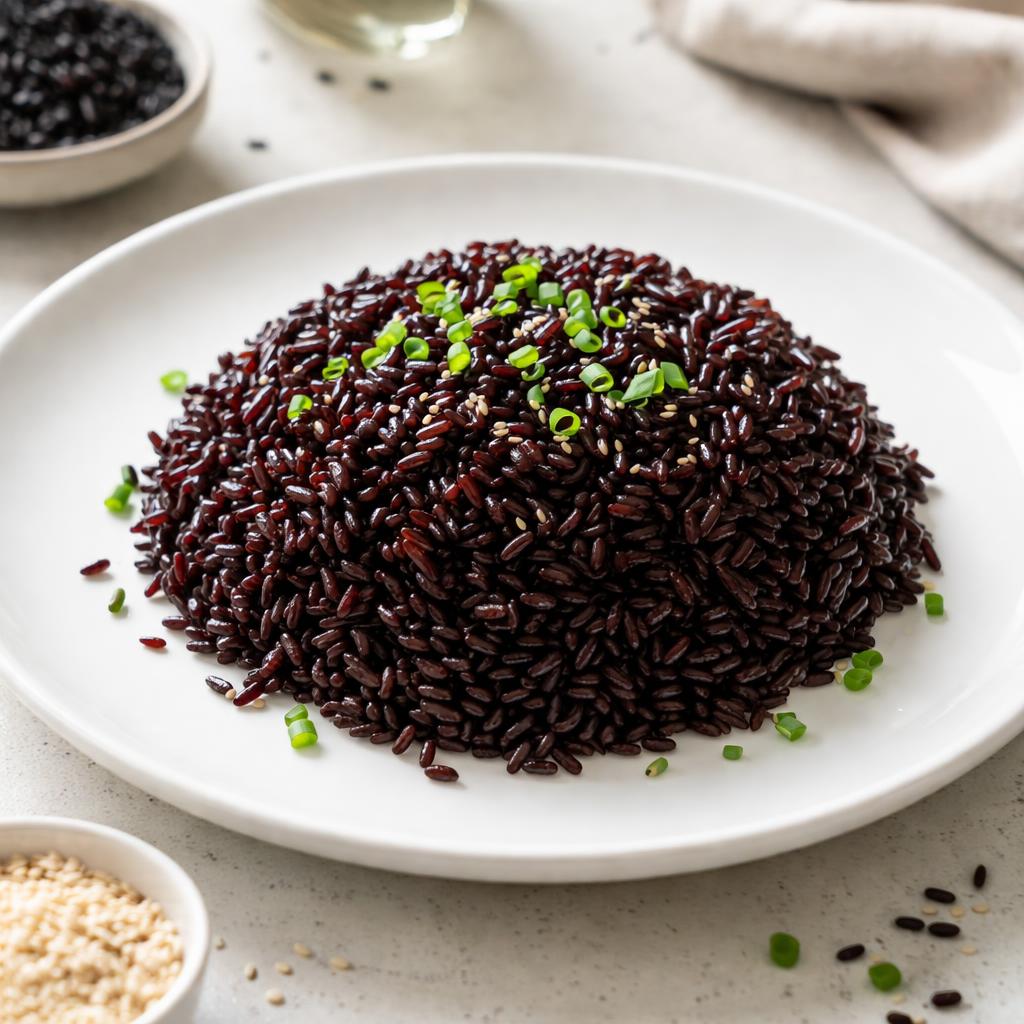
Black Rice
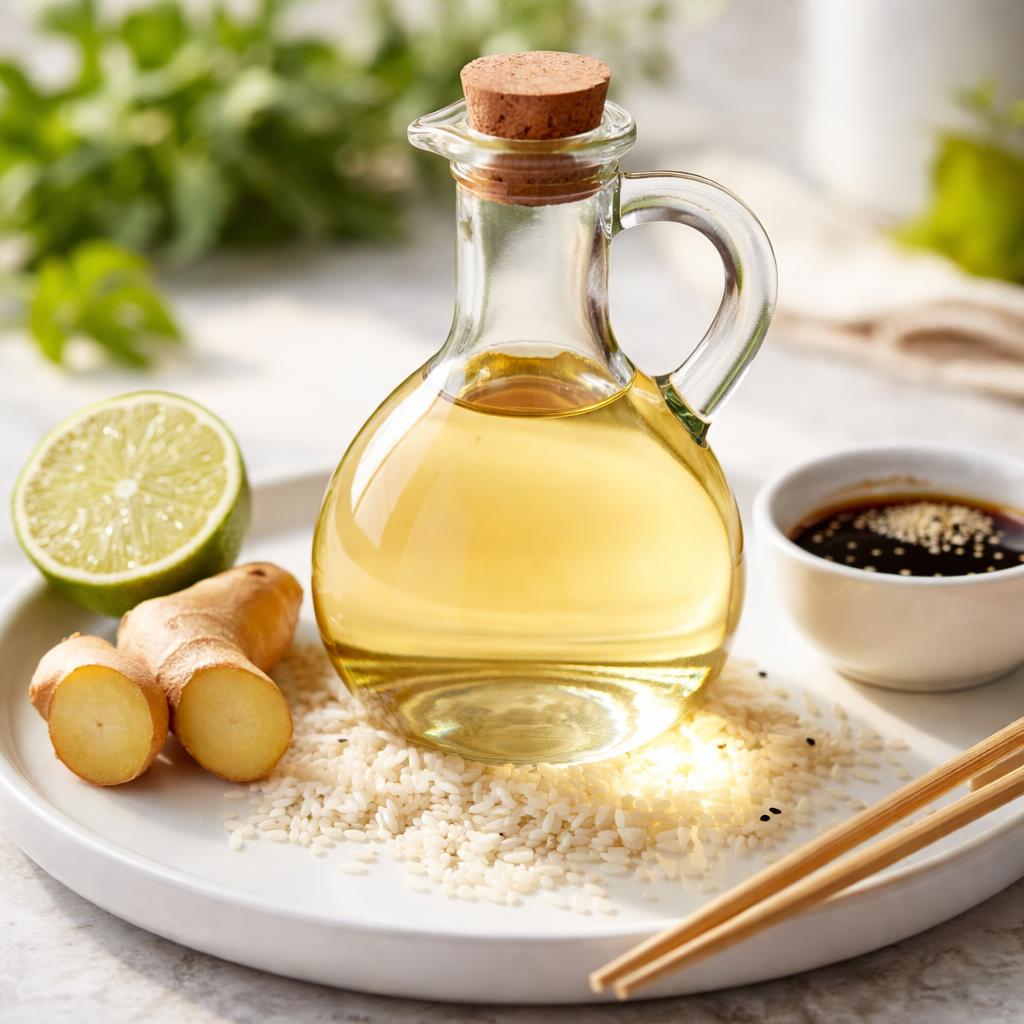
Rice Vinegar
🎯 Quick Verdict
Black rice (food1) is a nutrient-dense whole grain with higher protein, fiber, and vitamin content compared to rice vinegar (food2). Rice vinegar is lower in calories and primarily used for flavoring or as part of condiments. Black rice is better for providing sustenance and nutrients, while rice vinegar complements dishes without adding bulk to your diet.

Smart Nutrition Tracking with SnapCalorie

📊 Nutritional Comparison
Macronutrients
| Nutrient | Food 1 | Food 2 | Winner |
|---|---|---|---|
| Calories | 160 | 14 | ✓ |
| Protein | 4g | 0g | ✓ |
| Carbs | 34g | 3g | ✓ |
| Fat | 1g | 0g | ✓ |
| Fiber | 2g | 0g | ✓ |
Vitamins & Minerals
| Nutrient | Food 1 | Food 2 | Winner |
|---|---|---|---|
| Vitamin E | 0.3mg | 0mg | ✓ |
| Folate | 8mcg | 0mcg | ✓ |
| Potassium | 100mg | 20mg | ✓ |
🏆 Category Winners
Protein
Black rice contains 4g of protein, while rice vinegar contains none.
Fiber
Black rice provides 2g of fiber, aiding digestion, while rice vinegar provides none.
Calories
Rice vinegar is extremely low in calories, containing only 14 calories per serving.
🥗 Diet Compatibility
Keto
Food 1: Not Compatible
Food 2: Compatible
Rice vinegar is low-carb, whereas black rice is high in carbohydrates.
Vegan
Food 1: Compatible
Food 2: Compatible
Both foods are plant-based and vegan-friendly.
Gluten Free
Food 1: Compatible
Food 2: Compatible
Neither contains gluten.
Paleo
Food 1: Not Compatible
Food 2: Compatible
Rice vinegar aligns with paleo recommendations, but black rice does not due to being a grain.
Low-Carb
Food 1: Not Compatible
Food 2: Compatible
Rice vinegar has virtually no carbohydrates.
💪 Health Benefits Comparison
Food 1 Benefits
- Rich in antioxidants, particularly anthocyanins, which support heart health.
- Contains fiber to promote digestive health.
- Provides protein to aid muscle maintenance.
- Good source of potassium which regulates blood pressure.
Food 2 Benefits
- Low in calories, making it ideal for weight management.
- Contains acetic acid, which may support blood sugar control.
- Can enhance flavors in meals without added fats or sugars.
- Provides trace minerals such as magnesium, beneficial for enzyme functions.
✅ The Bottom Line
Black rice is a nutrient-dense food ideal for adding wholesome carbohydrates, protein, and antioxidants to meals, making it better suited for those seeking nourishment and sustenance. Rice vinegar, on the other hand, is great for low-calorie flavoring and complementing dishes without adding bulk. Opt for black rice when focusing on macros and vitamins, and rice vinegar for calorie-conscious or keto-friendly diets.
Choose Food 1 for: Nutrient-dense meals, post-workout recovery, digestive health, antioxidant boost.
Choose Food 2 for: Flavor enhancement, weight management, keto or paleo diets.


