Black Rice VS Rice Pudding
A detailed nutritional comparison
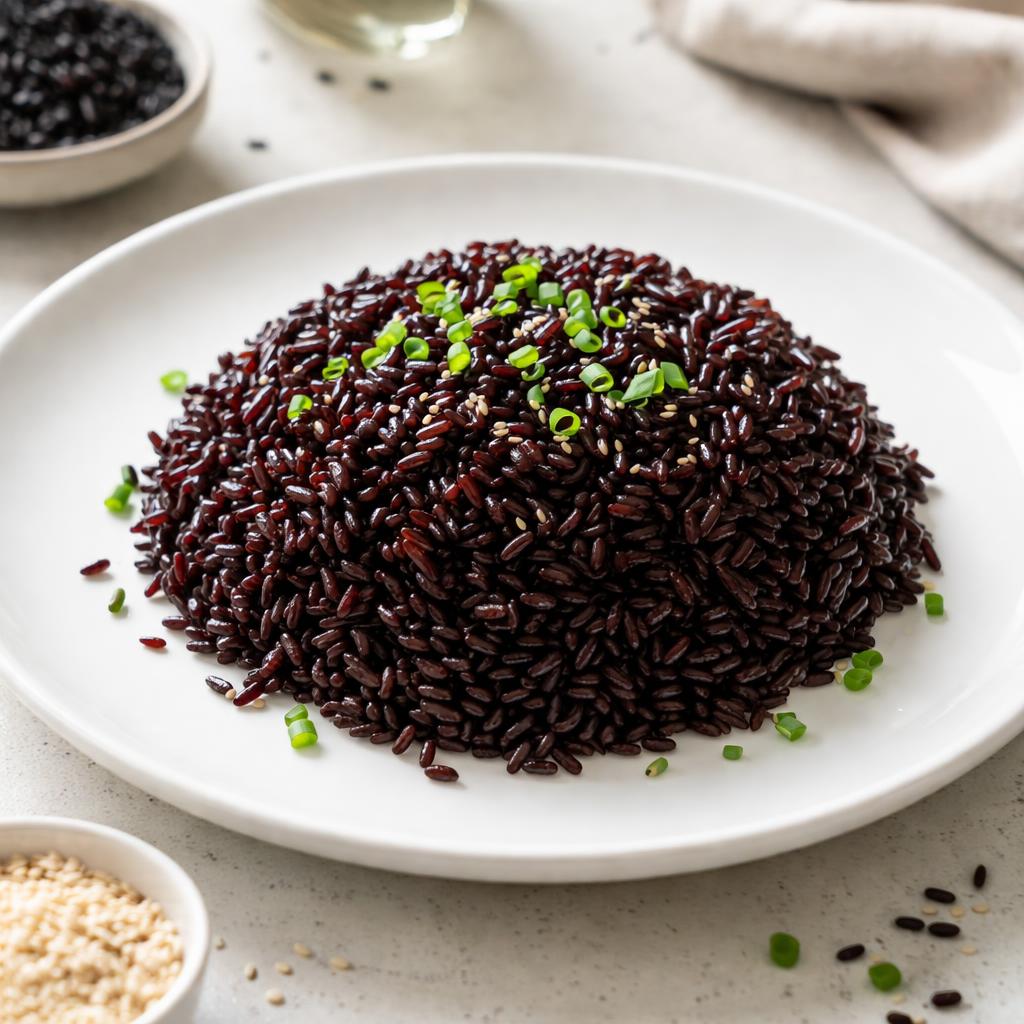
Black Rice
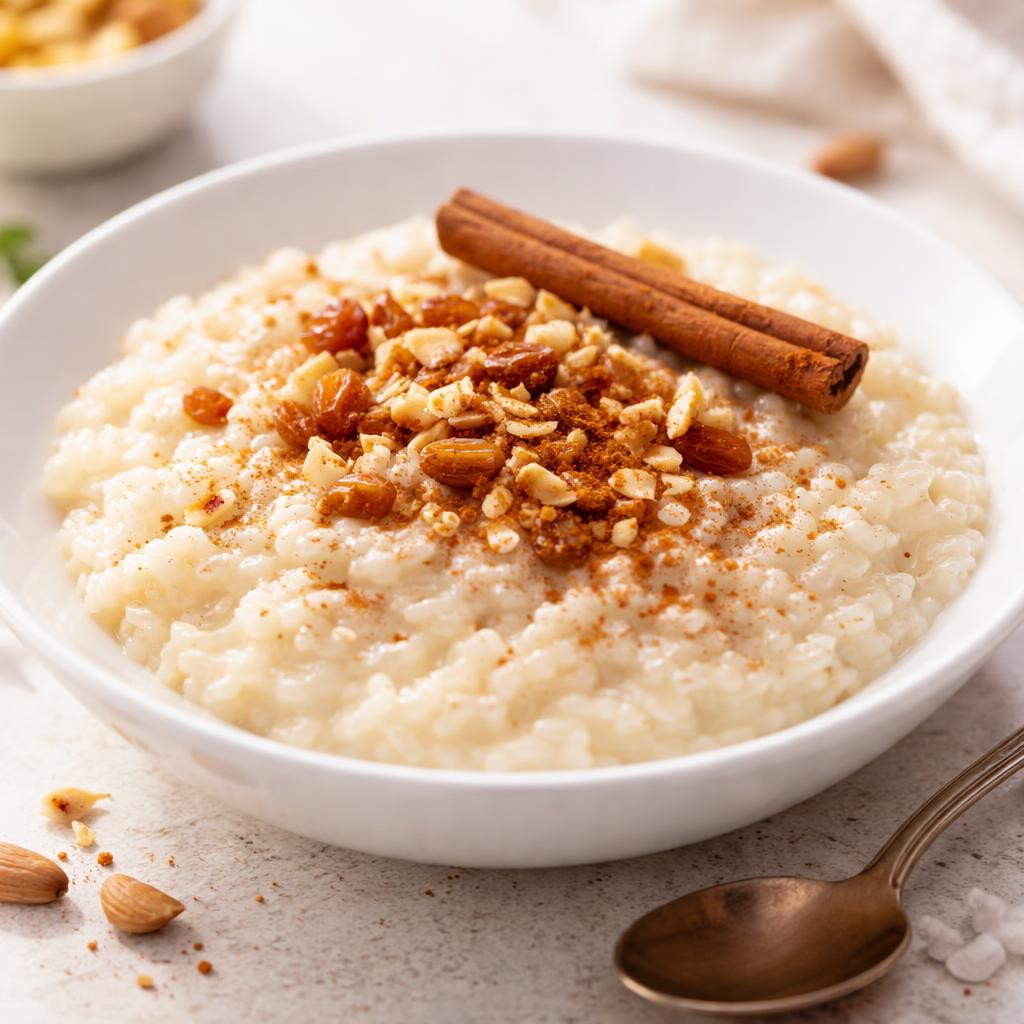
Rice Pudding
🎯 Quick Verdict
Black rice and rice pudding differ significantly in nutritional profiles. Black rice is a nutrient-dense whole grain packed with protein, fiber, and antioxidants, making it suitable for weight loss and general health. Rice pudding, on the other hand, is higher in calories, fat, and sugar, making it a dessert option rather than a staple food for a balanced diet.

Smart Nutrition Tracking with SnapCalorie

📊 Nutritional Comparison
Macronutrients
| Nutrient | Food 1 | Food 2 | Winner |
|---|---|---|---|
| Calories | 200 | 300 | ✓ |
| Protein | 5g | 3g | ✓ |
| Carbs | 43g | 50g | ✓ |
| Fat | 1.5g | 9g | ✓ |
| Fiber | 3g | 0.5g | ✓ |
Vitamins & Minerals
| Nutrient | Food 1 | Food 2 | Winner |
|---|---|---|---|
| Vitamin D | 0mcg | 1mcg | ✓ |
| Calcium | 5mg | 150mg | ✓ |
| Iron | 2mg | 0.5mg | ✓ |
🏆 Category Winners
Protein
Food1 has 67% more protein per serving.
Fiber
Food1 has 500% more fiber than food2.
Calories
Food1 is 33% lower in calories than food2.
Vitamins
Food1 is richer in iron while food2 provides more calcium and vitamin D.
🥗 Diet Compatibility
Keto
Food 1: Not Compatible
Food 2: Not Compatible
Both are high in carbohydrates.
Vegan
Food 1: Compatible
Food 2: Not Compatible
Food2 often contains dairy unless made with plant-based alternatives.
Gluten Free
Food 1: Compatible
Food 2: Compatible
Neither contains gluten.
Paleo
Food 1: Compatible
Food 2: Not Compatible
Food1 fits paleo guidelines while food2 uses processed ingredients (sugar, dairy).
Low-Carb
Food 1: Not Compatible
Food 2: Not Compatible
Both are high-carb foods mainly based on rice.
💪 Health Benefits Comparison
Food 1 Benefits
- Rich in antioxidants for reducing inflammation.
- Good source of fiber for improving digestion.
- Contains iron for supporting healthy blood circulation.
- Low in fat and calories for weight management.
Food 2 Benefits
- Provides quick energy due to higher sugar content.
- Rich in calcium to support bone health.
- Contains fat for sustaining energy when consumed in moderation.
- Comfort food that can reduce stress levels.
✅ The Bottom Line
Choose black rice for a healthier staple option to support weight management, digestion, and overall nutrition. Opt for rice pudding sparingly, as a treat or dessert, when prioritizing taste and comfort over nutritional benefits.
Choose Food 1 for: Weight loss, digestion support, nutrient density, healthy meal preparation
Choose Food 2 for: Occasional dessert, quick energy, calcium intake, indulgence


