Black Rice VS Licorice
A detailed nutritional comparison
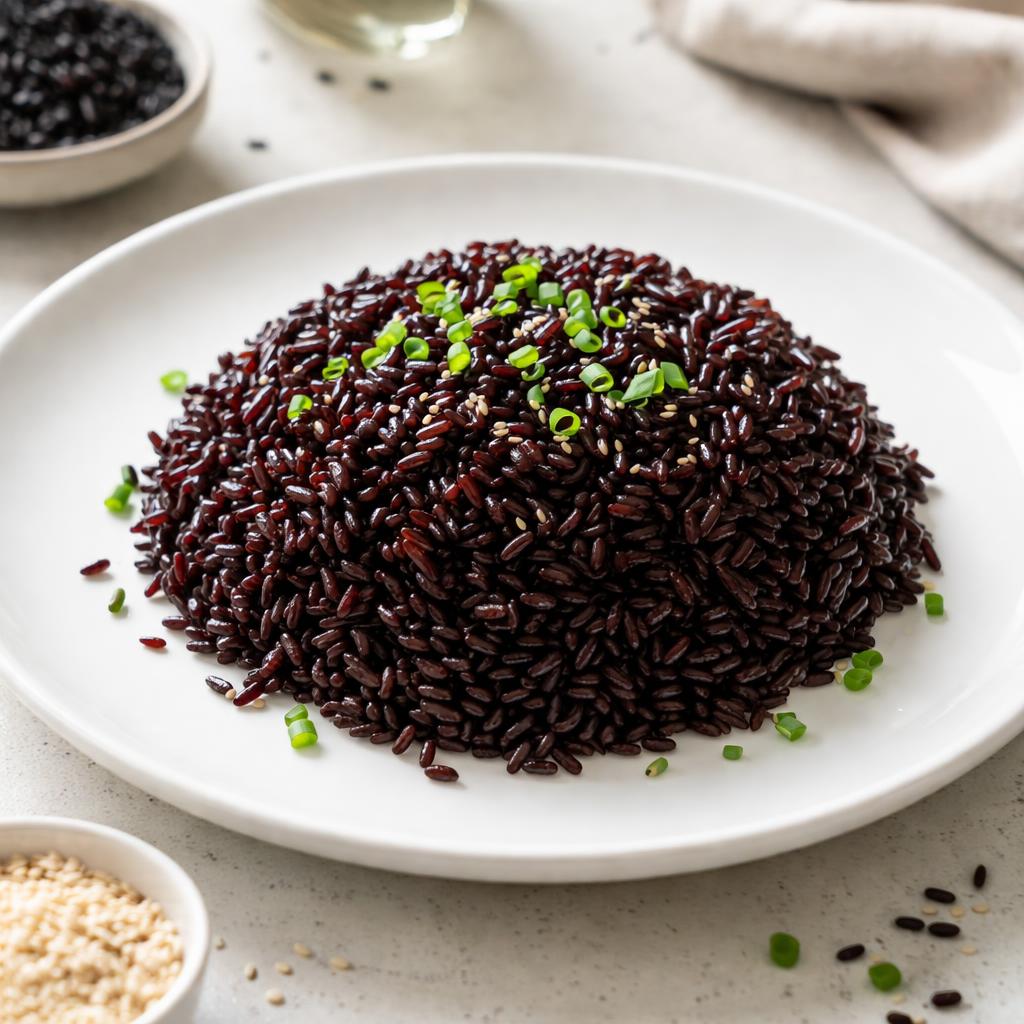
Black Rice

Licorice
🎯 Quick Verdict
Black rice is a nutrient-dense whole grain with higher protein, fiber, and fewer calories compared to licorice. Licorice, on the other hand, is a much sweeter and less nutritious option, often consumed as a candy or flavoring. Black rice is ideal for meals like grain bowls or as a side dish, while licorice may be enjoyed in moderation as a treat or used medicinally for certain health benefits.

Smart Nutrition Tracking with SnapCalorie

📊 Nutritional Comparison
Macronutrients
| Nutrient | Food 1 | Food 2 | Winner |
|---|---|---|---|
| Calories | 160 | 375 | ✓ |
| Protein | 5g | 0g | ✓ |
| Carbs | 34g | 93g | ✓ |
| Fat | 1g | 0g | ✓ |
| Fiber | 3g | 0g | ✓ |
Vitamins & Minerals
| Nutrient | Food 1 | Food 2 | Winner |
|---|---|---|---|
| Vitamin D | 0mcg | 0mcg | − |
| Calcium | 10mg | 50mg | ✓ |
| Iron | 1.5mg | 0.3mg | ✓ |
🏆 Category Winners
Protein
Black rice contains 5g of protein per serving, while licorice has negligible protein.
Fiber
Black rice is a good source of fiber, with 3g per serving compared to none in licorice.
Calories
Black rice has less than half the calories per serving compared to licorice.
Vitamins
Neither food provides significant amounts of vitamins; licorice is slightly better in calcium, while black rice offers more iron.
🥗 Diet Compatibility
Keto
Food 1: Not Compatible
Food 2: Not Compatible
Both are high-carb foods, making them unsuitable for keto diets.
Vegan
Food 1: Compatible
Food 2: Compatible
Both foods are plant-based.
Gluten Free
Food 1: Compatible
Food 2: Compatible
Neither food contains gluten.
Paleo
Food 1: Compatible
Food 2: Not Compatible
Black rice is a whole grain that may fit loose Paleo guidelines, while licorice is processed.
Low Carb
Food 1: Not Compatible
Food 2: Not Compatible
Both foods are too high in carbohydrates for low-carb diets.
💪 Health Benefits Comparison
Food 1 Benefits
- Rich in antioxidants, including anthocyanins, for cellular health
- Provides fiber for digestive health
- Contains iron to support red blood cell production
Food 2 Benefits
- May help soothe throat irritation or coughs
- Potential anti-inflammatory properties
- Contains glycyrrhizin, which may support adrenal and stress regulation
✅ The Bottom Line
Choose black rice for a nutrient-dense, whole-grain option suitable for balanced meals, especially if you need fiber, protein, and lower-calorie content. Licorice is better as an occasional treat or for specific medicinal benefits, such as soothing sore throats.
Choose Food 1 for: Balanced meals, digestion, antioxidants
Choose Food 2 for: Sweet treat, medicinal uses, stress relief


