Basmati Rice VS Black Rice
A detailed nutritional comparison
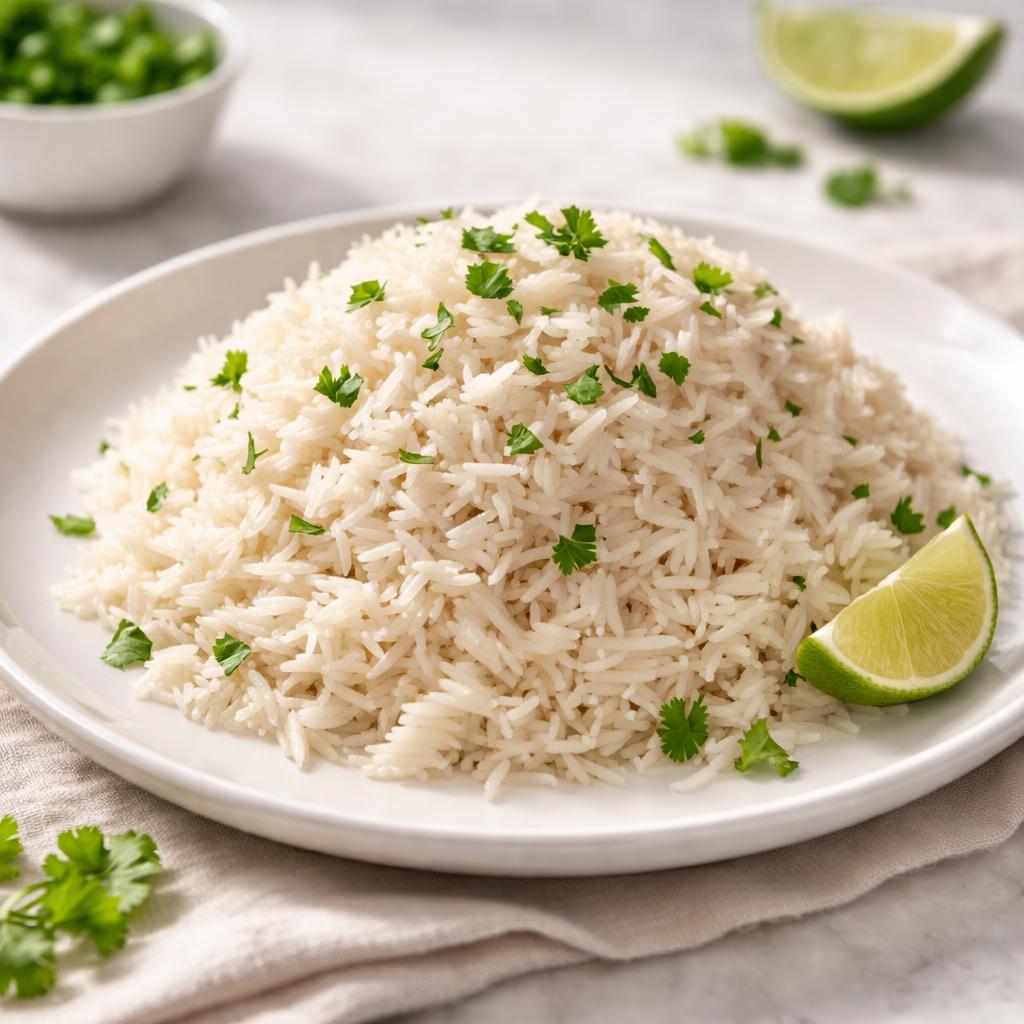
Basmati Rice
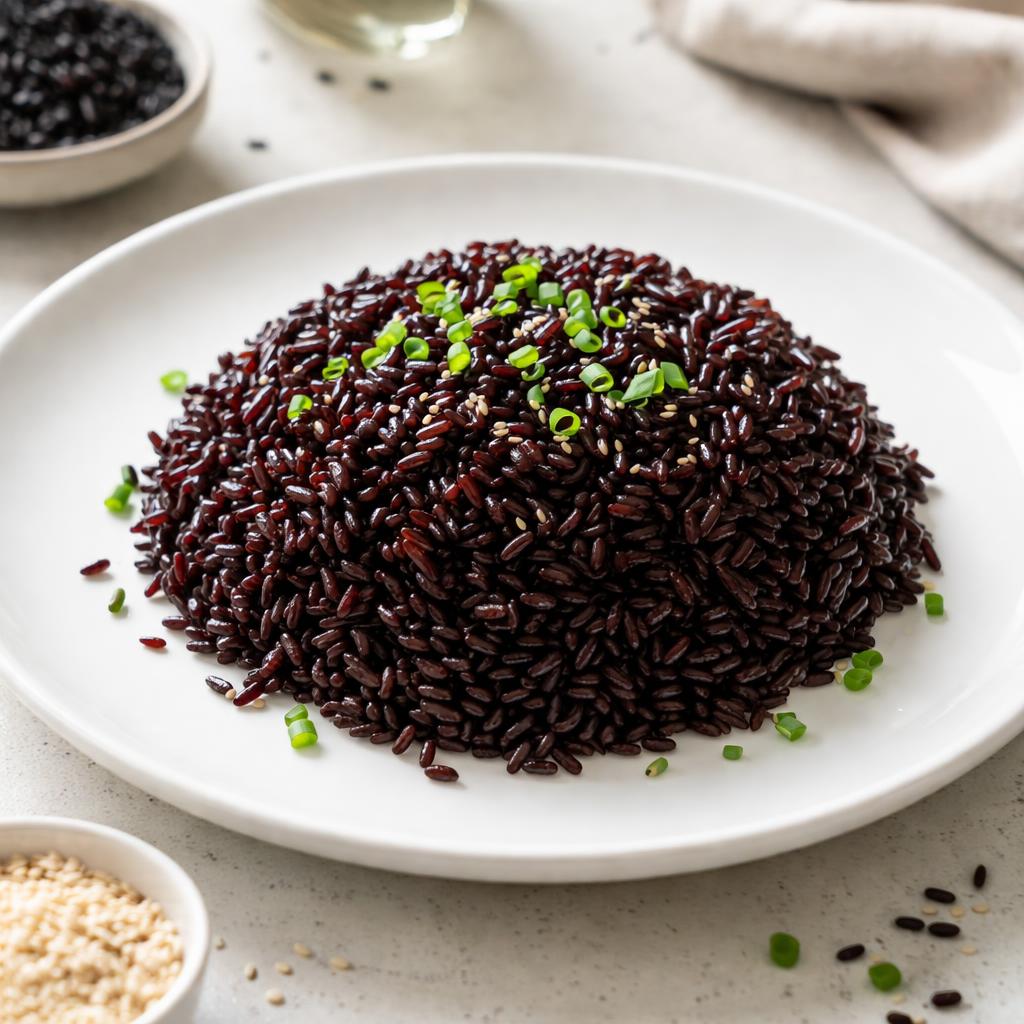
Black Rice
🎯 Quick Verdict
Basmati rice and black rice differ significantly in their nutrient profiles. Black rice is notably higher in fiber and antioxidants, making it a more nutrient-dense option. Basmati rice is lower in calories and carbs, making it better suited for weight management or carb-controlled diets. Both options are gluten-free and vegan-friendly, but black rice stands out for its added health benefits, especially as part of a whole-foods or high-fiber diet.

Smart Nutrition Tracking with SnapCalorie

📊 Nutritional Comparison
Macronutrients
| Nutrient | Food 1 | Food 2 | Winner |
|---|---|---|---|
| Calories | 190 per cup | 160 per cup | ✓ |
| Protein | 4g | 5g | ✓ |
| Carbs | 45g | 34g | ✓ |
| Fat | 0.5g | 1.5g | ✓ |
| Fiber | 1g | 3g | ✓ |
Vitamins & Minerals
| Nutrient | Food 1 | Food 2 | Winner |
|---|---|---|---|
| Vitamin D | 0mcg | 0mcg | − |
| Calcium | 16mg | 30mg | ✓ |
| Iron | 0.4mg | 1.4mg | ✓ |
🏆 Category Winners
Protein
Black rice contains 25% more protein compared to basmati rice.
Fiber
Black rice provides triple the amount of fiber per serving.
Calories
Black rice is 16% lower in calories than basmati rice.
🥗 Diet Compatibility
Keto
Food 1: Not Compatible
Food 2: Not Compatible
Both are relatively high in carbohydrates and unsuitable for keto.
Vegan
Food 1: Compatible
Food 2: Compatible
Both rice varieties are plant-based and vegan-friendly.
Gluten Free
Food 1: Compatible
Food 2: Compatible
Neither contains gluten; both are safe for gluten-free diets.
Paleo
Food 1: Compatible
Food 2: Compatible
Both are minimally processed whole grains, acceptable on paleo.
Low Carb
Food 1: Not Compatible
Food 2: Not Compatible
Both have high carbohydrate content, exceeding low-carb guidelines.
💪 Health Benefits Comparison
Food 1 Benefits
- Lower in calories for weight management
- Quick-cooking compared to other rice varieties
- Mild flavor pairs well with diverse cuisines
Food 2 Benefits
- Rich in antioxidants (anthocyanins) for cell health
- Higher in fiber, supporting digestive health
- Good source of iron for oxygen transport in the body
✅ The Bottom Line
While basmati rice is lighter in calories and carbs, black rice offers far more nutrients and dietary fiber, making it a better choice for overall health. Basmati is ideal for weight management and serving as a neutral base for meals, whereas black rice excels in providing antioxidants and micronutrients for a nutrient-dense diet.
Choose Food 1 for: Weight management, easy meal prepping, mild flavor dishes
Choose Food 2 for: Whole-food diets, high-fiber needs, antioxidant-rich meals


