Barley VS Rice Noodle
A detailed nutritional comparison
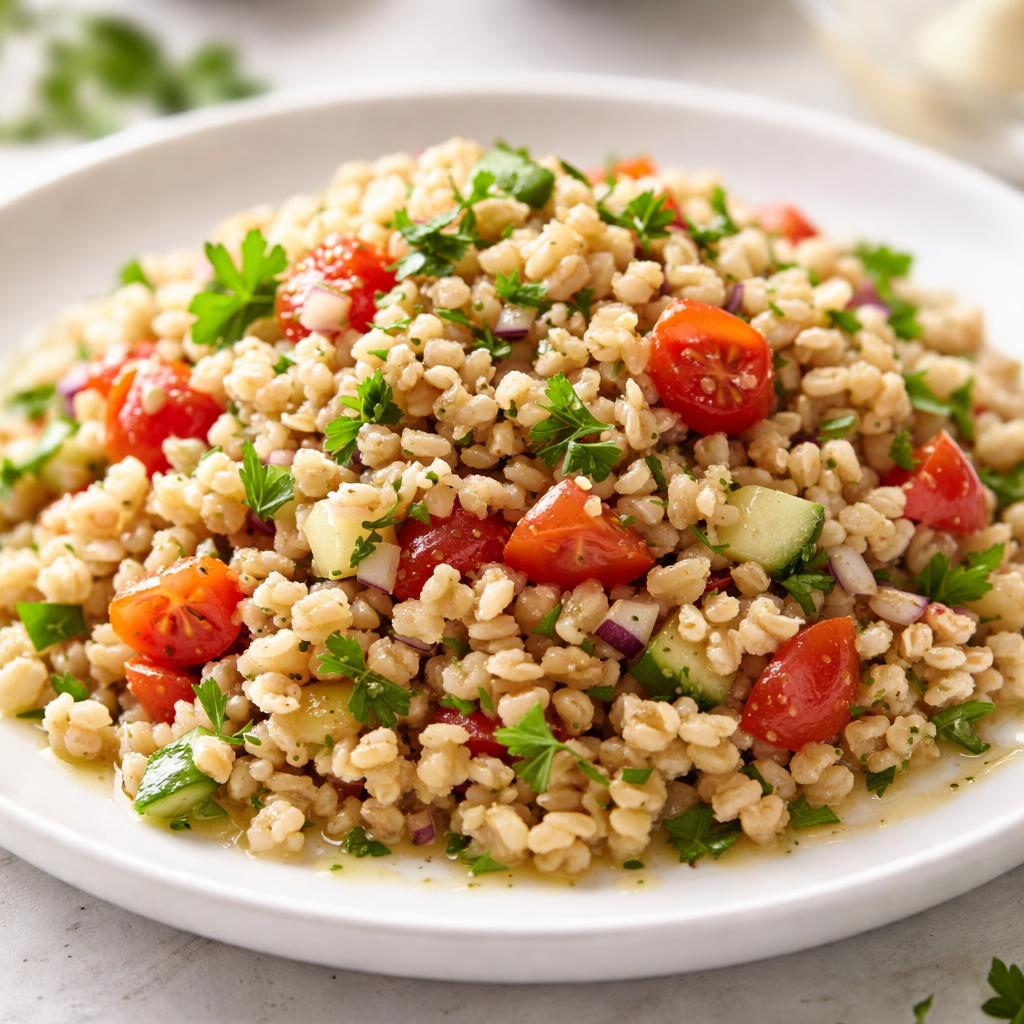
Barley
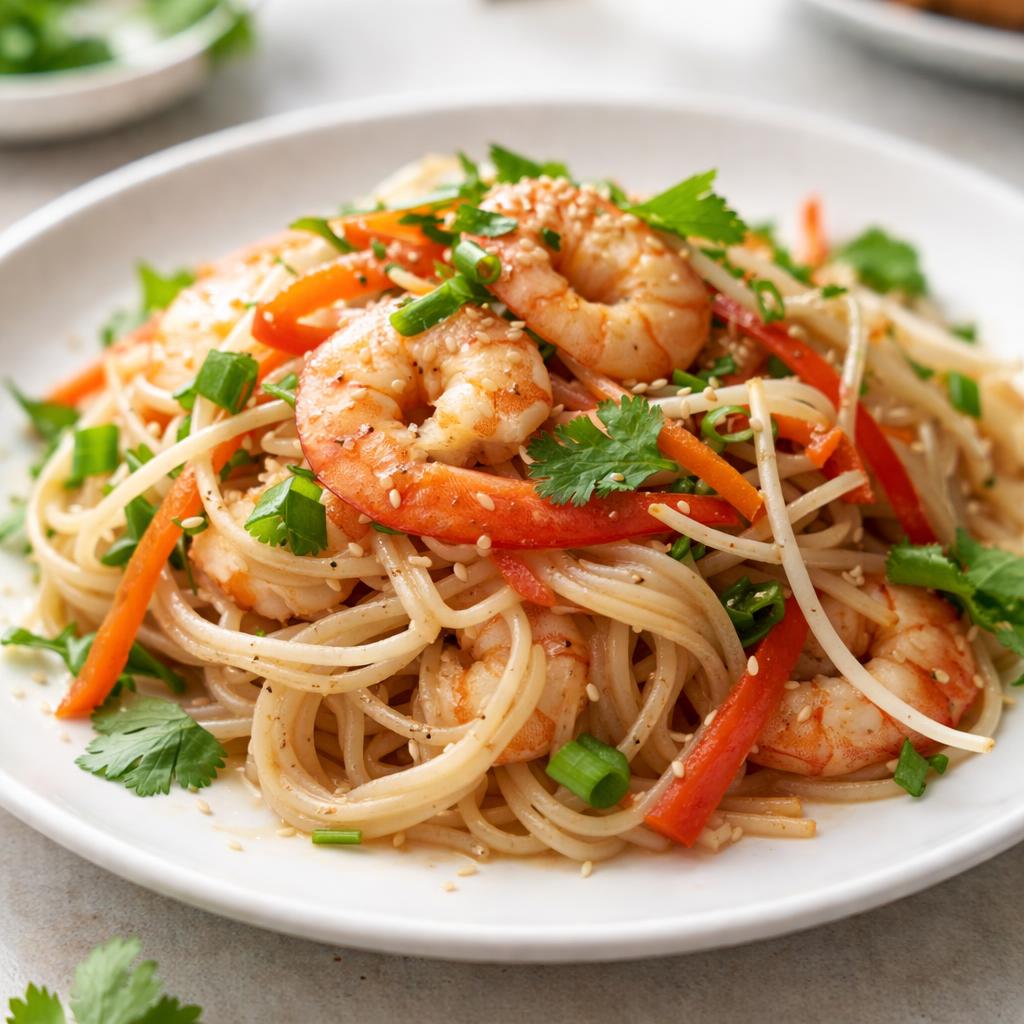
Rice Noodle
🎯 Quick Verdict
Barley offers higher protein (3.5g per 100g) and fiber (2g per 100g), making it ideal for digestive health and muscle maintenance. Rice noodles are lower in calories (110 calories per 100g) and are gluten-free, appealing to those on calorie-conscious or gluten-free diets. Choose barley for nutrient density and rice noodles for lighter dishes or gluten-free alternatives.

Smart Nutrition Tracking with SnapCalorie

📊 Nutritional Comparison
Macronutrients
| Nutrient | Food 1 | Food 2 | Winner |
|---|---|---|---|
| Calories | 120 | 110 | ✓ |
| Protein | 3.5g | 1.5g | ✓ |
| Carbs | 28g | 25g | ✓ |
| Fat | 0.5g | 0.2g | ✓ |
| Fiber | 2g | 0.5g | ✓ |
Vitamins & Minerals
| Nutrient | Food 1 | Food 2 | Winner |
|---|---|---|---|
| Vitamin B6 | 0.3mg | 0mg | ✓ |
| Magnesium | 33mg | 11mg | ✓ |
| Iron | 0.7mg | 0.2mg | ✓ |
🏆 Category Winners
Protein
Barley has over twice the protein content compared to rice noodles.
Fiber
Barley contains four times the fiber content than rice noodles.
Calories
Rice noodles are lower-calorie, offering 10 fewer calories per 100g.
Vitamins
Barley offers significantly more magnesium, iron, and vitamin B6 compared to rice noodles.
🥗 Diet Compatibility
Keto
Food 1: Not Compatible
Food 2: Not Compatible
Both are high-carb foods unsuitable for keto diets.
Vegan
Food 1: Compatible
Food 2: Compatible
Both foods are plant-based.
Gluten Free
Food 1: Not Compatible
Food 2: Compatible
Barley contains gluten, while rice noodles are gluten-free.
Paleo
Food 1: Not Compatible
Food 2: Not Compatible
Neither fits the paleo diet due to their grain and processed nature.
Low-Carb
Food 1: Not Compatible
Food 2: Not Compatible
Both are relatively high in carbohydrates.
💪 Health Benefits Comparison
Food 1 Benefits
- Rich in fiber for improved digestion and gut health
- Provides plant-based protein for muscle maintenance
- Contains magnesium for strong bones and heart function
- Supports sustained energy through complex carbohydrates
Food 2 Benefits
- Low-calorie option, suitable for calorie-conscious diets
- Gluten-free, ideal for individuals with celiac disease or gluten intolerance
- Easy to digest, making it good for sensitive stomachs
- Neutral flavor, pairs well with diverse dishes
✅ The Bottom Line
Choose barley if you’re seeking a nutrient-dense option for boosting fiber, protein, and mineral intake, particularly for digestive or muscle health. Opt for rice noodles when you need a lower-calorie, gluten-free alternative that works well in light dishes or Asian cuisine.
Choose Food 1 for: Digestive health, sustained energy, nutrient density
Choose Food 2 for: Calorie-conscious diets, gluten-free recipes, lighter meals


