Barley VS Mixed Rice
A detailed nutritional comparison
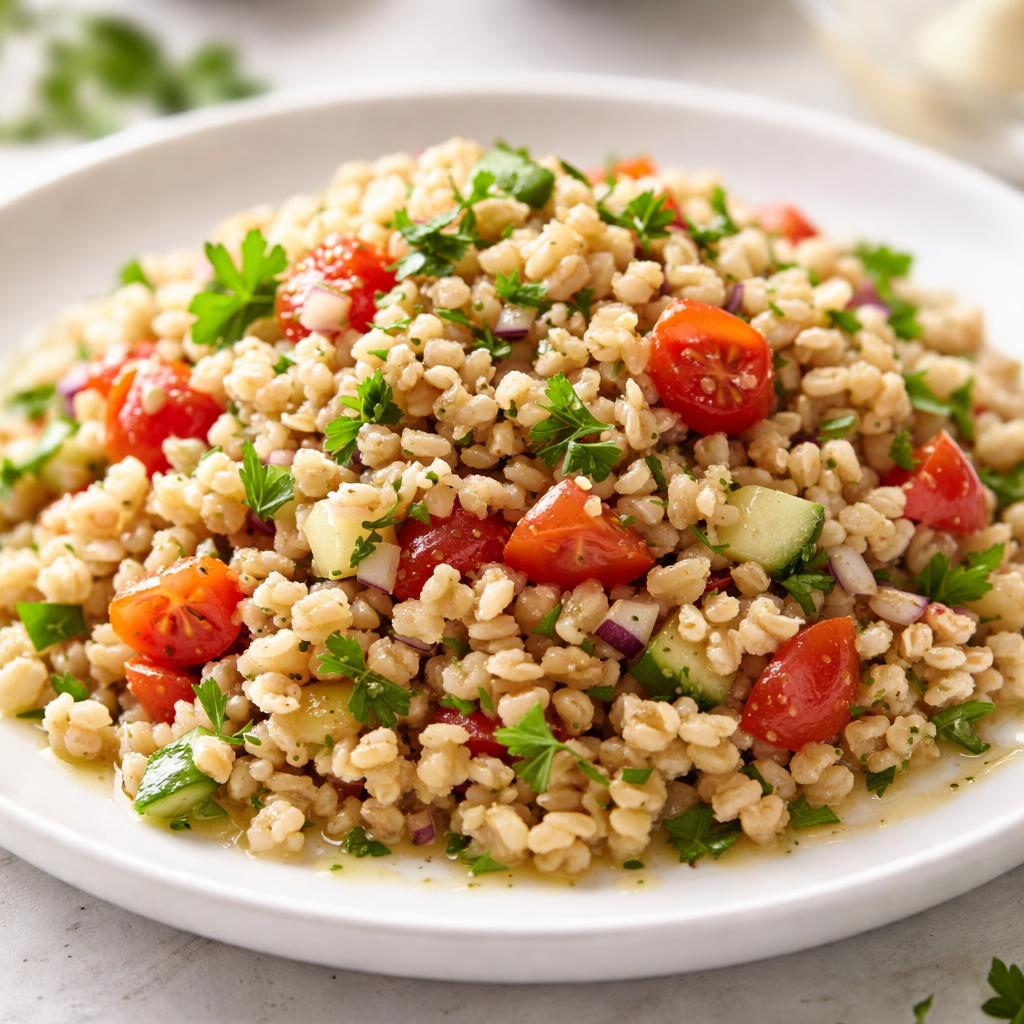
Barley
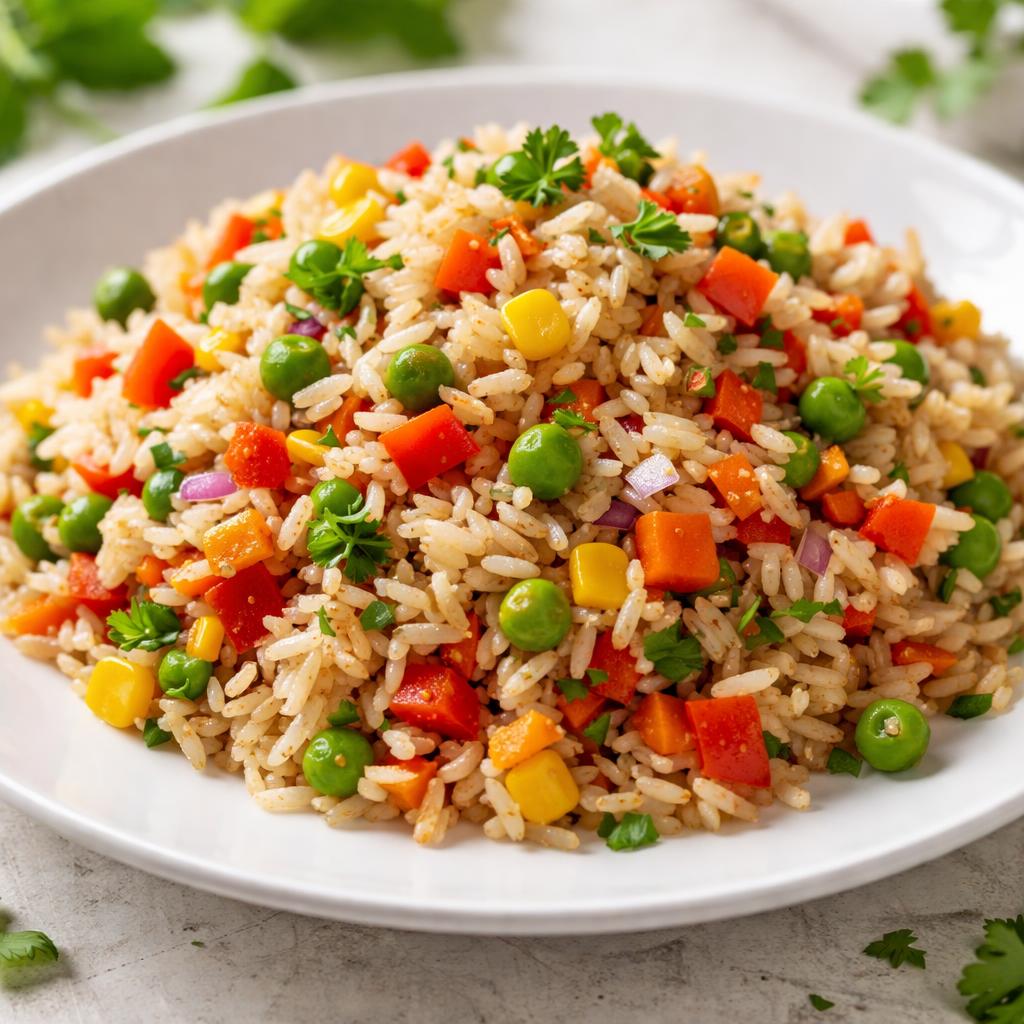
Mixed Rice
🎯 Quick Verdict
Barley and mixed rice differ significantly in their nutritional profiles. Barley is richer in protein, fiber, and micronutrients like magnesium and iron, while mixed rice is higher in carbohydrates and provides slightly more calories per serving. Barley is ideal for weight management and digestion, while mixed rice works well for energy-dense meals or variety in nutrient intake.

Smart Nutrition Tracking with SnapCalorie

📊 Nutritional Comparison
Macronutrients
| Nutrient | Food 1 | Food 2 | Winner |
|---|---|---|---|
| Calories | 354 kcal (per 100g) | 360 kcal (per 100g) | ✓ |
| Protein | 10g | 6g | ✓ |
| Carbs | 73.5g | 77g | ✓ |
| Fat | 2.3g | 1.5g | ✓ |
| Fiber | 17.3g | 2g | ✓ |
Vitamins & Minerals
| Nutrient | Food 1 | Food 2 | Winner |
|---|---|---|---|
| Vitamin D | 0mcg | 0mcg | − |
| Iron | 3.6mg | 1.2mg | ✓ |
| Calcium | 33mg | 9mg | ✓ |
| Magnesium | 133mg | 25mg | ✓ |
🏆 Category Winners
Protein
Barley provides nearly 67% more protein per serving than mixed rice.
Fiber
Barley contains over 8 times more dietary fiber than mixed rice.
Calories
Barley has slightly fewer calories, making it better for low-calorie diets.
Vitamins
Barley offers higher amounts of iron, calcium, and magnesium.
🥗 Diet Compatibility
Keto
Food 1: Not Compatible
Food 2: Not Compatible
Both contain high amounts of carbohydrates.
Vegan
Food 1: Compatible
Food 2: Compatible
Both are plant-based foods.
Gluten Free
Food 1: Not Compatible
Food 2: Compatible
Barley contains gluten, but mixed rice does not.
Paleo
Food 1: Not Compatible
Food 2: Compatible
Barley is a grain disallowed on the paleo diet, while mixed rice works for some versions of paleo.
Low-Carb
Food 1: Not Compatible
Food 2: Not Compatible
Both have high carbohydrate levels.
💪 Health Benefits Comparison
Food 1 Benefits
- Rich in fiber, aiding digestion and improving gut health
- High protein content supports muscle growth
- Contains essential minerals like magnesium for bone health
Food 2 Benefits
- Provides a quick source of energy due to higher carbohydrates
- Low-fat option suitable for heart-healthy diets
- Contains antioxidants that support overall cell health
✅ The Bottom Line
Barley is a clear winner for those seeking higher protein, fiber, and micronutrients suited for weight management, digestion, and muscle support. Mixed rice, on the other hand, is better for energy-dense meals or gluten-free and paleo diets. Both foods are excellent options depending on dietary goals.
Choose Food 1 for: Weight management, high-protein and fiber-rich diets, digestion support
Choose Food 2 for: Quick energy, gluten-free and paleo diets, variety in meal planning


