Banana VS Whey Protein Powder
A detailed nutritional comparison
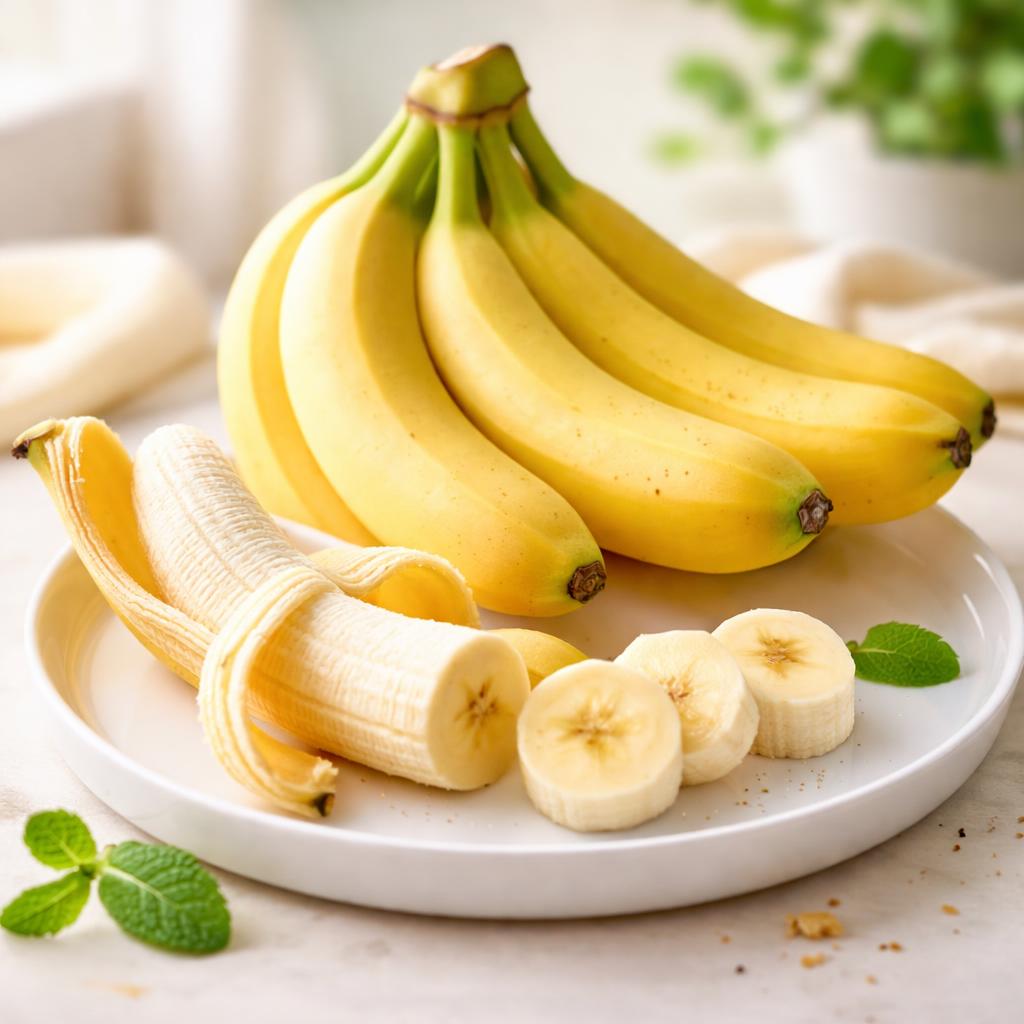
Banana
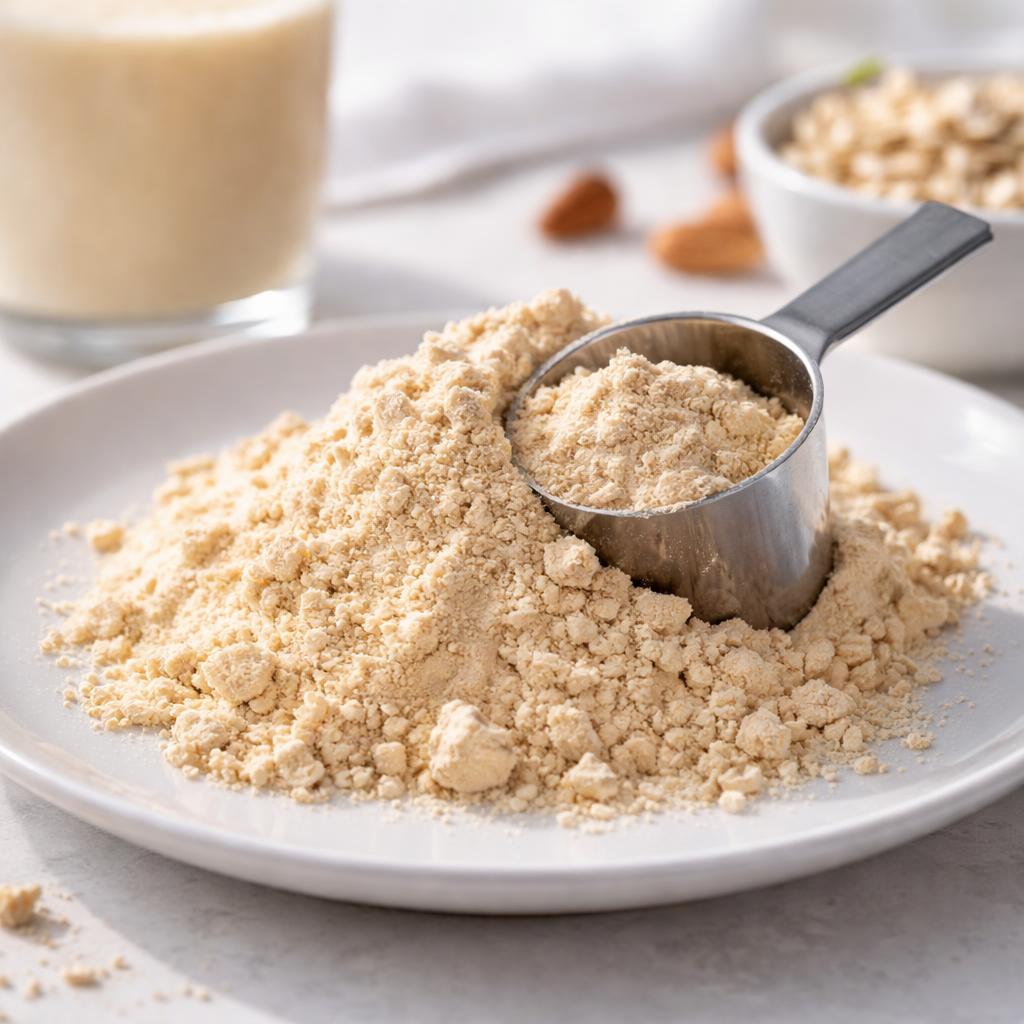
Whey Protein Powder
🎯 Quick Verdict
Whey protein powder excels in protein and has fewer calories compared to bananas, making it ideal for muscle building and weight loss goals. Meanwhile, bananas provide fiber, quick energy from natural sugars, and essential vitamins like B6 and potassium, making them better for sustained energy and gut health. Choose based on your needs: protein boost vs. nutrient-dense energy source.

Smart Nutrition Tracking with SnapCalorie

📊 Nutritional Comparison
Macronutrients
| Nutrient | Food 1 | Food 2 | Winner |
|---|---|---|---|
| Calories | 105 | 100 | ✓ |
| Protein | 1g | 25g | ✓ |
| Carbs | 27g | 2g | ✓ |
| Fat | 0.3g | 1g | ✓ |
| Fiber | 3g | 0g | ✓ |
Vitamins & Minerals
| Nutrient | Food 1 | Food 2 | Winner |
|---|---|---|---|
| Vitamin C | 10mg | 0mg | ✓ |
| Vitamin B6 | 0.4mg | 0.1mg | ✓ |
| Potassium | 422mg | 160mg | ✓ |
| Calcium | 6mg | 120mg | ✓ |
| Iron | 0.3mg | 1mg | ✓ |
🏆 Category Winners
Protein
Whey protein powder contains 25 times more protein than a banana per serving.
Fiber
Bananas provide 3g of dietary fiber, whereas whey protein contains none.
Calories
Whey protein powder has fewer calories (100 vs. 105 per serving).
Vitamins
Bananas are richer in vitamins C, B6, and potassium, essential for overall health.
🥗 Diet Compatibility
Keto
Food 1: Not Compatible
Food 2: Compatible
Bananas are high in carbs (27g per 100g), whereas whey protein is low-carb (2g per serving).
Vegan
Food 1: Compatible
Food 2: Not Compatible
Bananas are plant-based, while traditional whey protein is derived from animal products.
Gluten Free
Food 1: Compatible
Food 2: Compatible
Neither bananas nor whey protein contain gluten.
Paleo
Food 1: Compatible
Food 2: Not Compatible
Bananas align with paleo principles as a whole food, whereas whey protein powder is highly processed.
Low Carb
Food 1: Not Compatible
Food 2: Compatible
Whey protein is low in carbohydrates (2g per serving) compared to bananas (27g per serving).
💪 Health Benefits Comparison
Food 1 Benefits
- Rich in potassium for heart and muscle health
- Provides natural sugars for quick energy boosts
- Contains dietary fiber for improved digestion
- Includes vitamin B6 for neurotransmitter and brain health
Food 2 Benefits
- High protein content supports muscle growth and repair
- Low-carb and low-calorie, ideal for weight loss
- Good source of calcium for bone strength
- Iron content supports red blood cell production and oxygen transport
✅ The Bottom Line
Bananas are a nutrient-dense, healthy snack option, perfect for active individuals needing quick energy or digestion support. Whey protein powder is highly concentrated protein, making it the best choice for those looking to build muscle or reduce calorie intake while boosting protein intake. Decide based on your primary dietary goals.
Choose Food 1 for: Quick energy, digestion support, nutrient-dense snack
Choose Food 2 for: Muscle building, weight loss, post-workout recovery


