Banana VS Vegan Butter
A detailed nutritional comparison
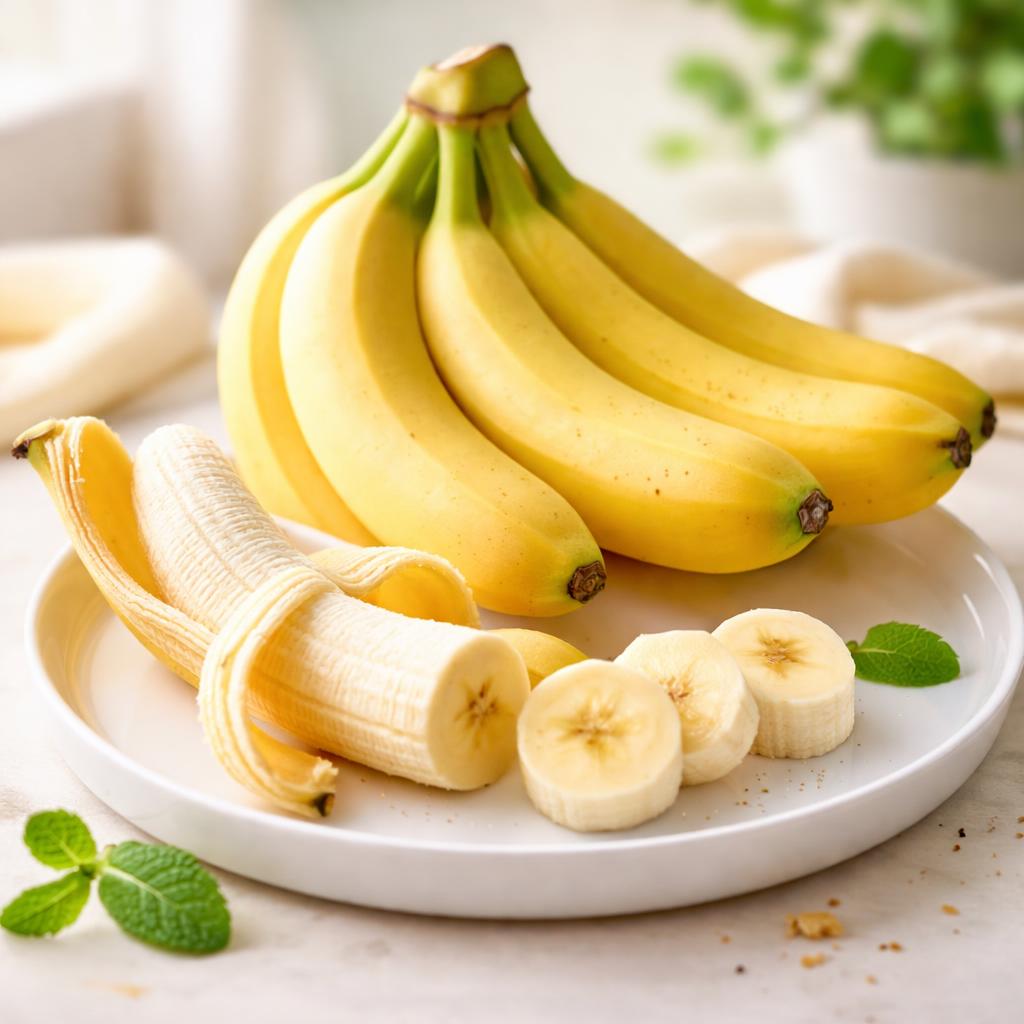
Banana
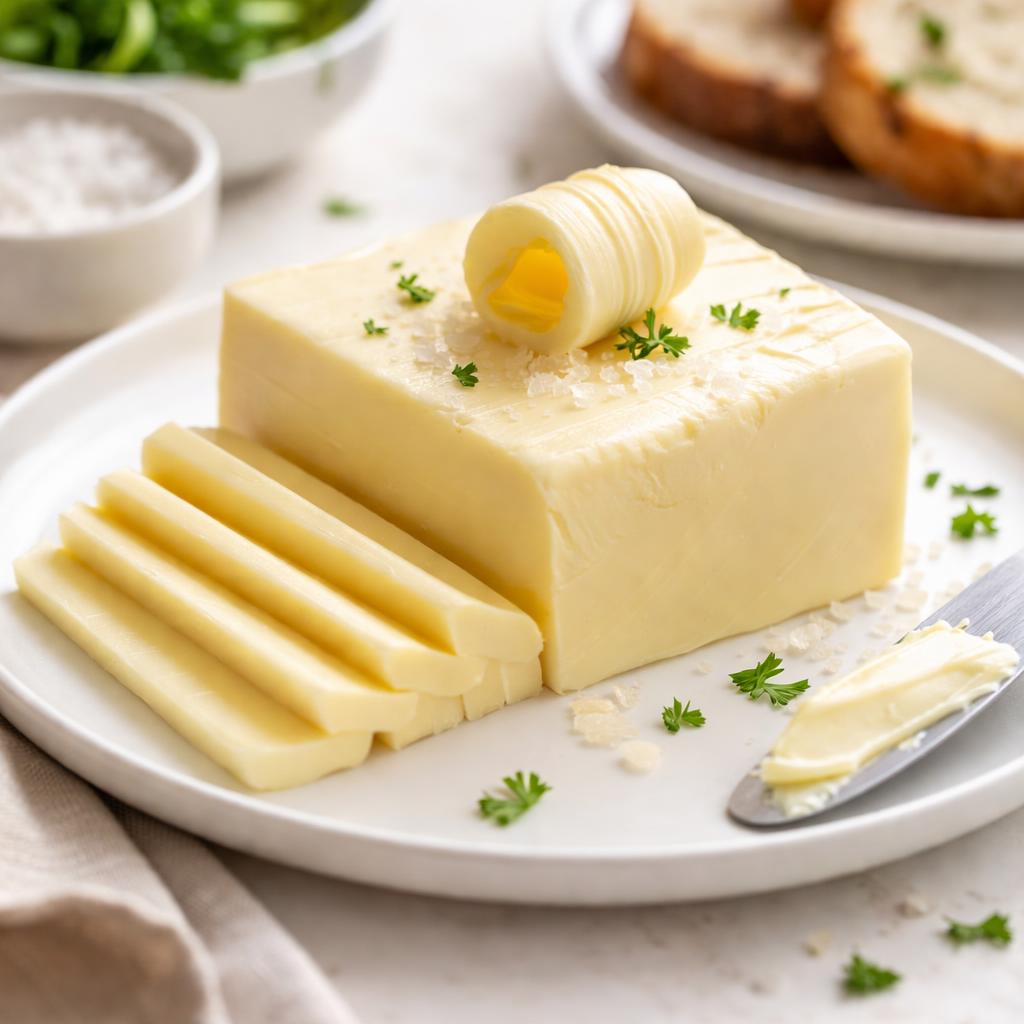
Vegan Butter
🎯 Quick Verdict
Bananas are a nutrient-rich fruit packed with fiber, vitamins, and natural carbohydrates, making them excellent for quick energy and digestive health. Vegan butter, on the other hand, is calorie-dense and mainly composed of fat, ideal for cooking and adding richness to dishes. Use bananas for energy or snacks and vegan butter for recipes needing fats or creaminess.

Smart Nutrition Tracking with SnapCalorie

📊 Nutritional Comparison
Macronutrients
| Nutrient | Food 1 | Food 2 | Winner |
|---|---|---|---|
| Calories | 105 | 90 (per tablespoon) | − |
| Protein | 1.3g | 0g | − |
| Carbs | 27g | 0g | − |
| Fat | 0.3g | 10g | − |
| Fiber | 3g | 0g | − |
Vitamins & Minerals
| Nutrient | Food 1 | Food 2 | Winner |
|---|---|---|---|
| Vitamin D | 0mcg | 0mcg | − |
| Calcium | 5mg | 10mg | − |
| Iron | 0.3mg | 0.1mg | − |
| Potassium | 422mg | 0mg | − |
🏆 Category Winners
Protein
Banana contains over 1g of protein, while vegan butter has none.
Fiber
Banana contains 3g of fiber per serving, supporting digestion.
Calories
Banana has fewer calories per serving compared to vegan butter.
Fat
Vegan butter is mainly composed of fat (10g per tablespoon), suitable for high-fat diets.
Vitamins
Banana provides potassium and small amounts of iron, whereas vegan butter mainly adds calcium.
🥗 Diet Compatibility
Keto
Food 1: Not Compatible
Food 2: Compatible
Banana is high in carbs (27g per serving), while vegan butter is carb-free.
Vegan
Food 1: Compatible
Food 2: Compatible
Both are vegan-friendly.
Gluten Free
Food 1: Compatible
Food 2: Compatible
Neither contains gluten.
Paleo
Food 1: Compatible
Food 2: Not Compatible
Banana aligns with paleo principles, while vegan butter is a processed food.
Low Carb
Food 1: Not Compatible
Food 2: Compatible
Banana is high in carbohydrates, contrasting with vegan butter's carb-free profile.
💪 Health Benefits Comparison
Food 1 Benefits
- Provides natural energy due to carbohydrates
- Aids digestion with 3g of fiber
- Excellent source of potassium for heart and muscle health
- Supports iron intake
Food 2 Benefits
- Rich in healthy fats for energy and satiety
- Adds creaminess and flavor to dishes
- Contains small amounts of calcium for bone health
- Ideal for keto and low-carb diets
✅ The Bottom Line
Choose bananas when looking for a natural energy source, digestive health, or a potassium boost. Opt for vegan butter when cooking, baking, or following high-fat, keto diets. Both can be incorporated strategically depending on your dietary needs.
Choose Food 1 for: Natural energy, digestion, muscle health, snacks
Choose Food 2 for: High-fat diets, baking, cooking enrichment, flavor


