Banana VS Turkish Delight
A detailed nutritional comparison
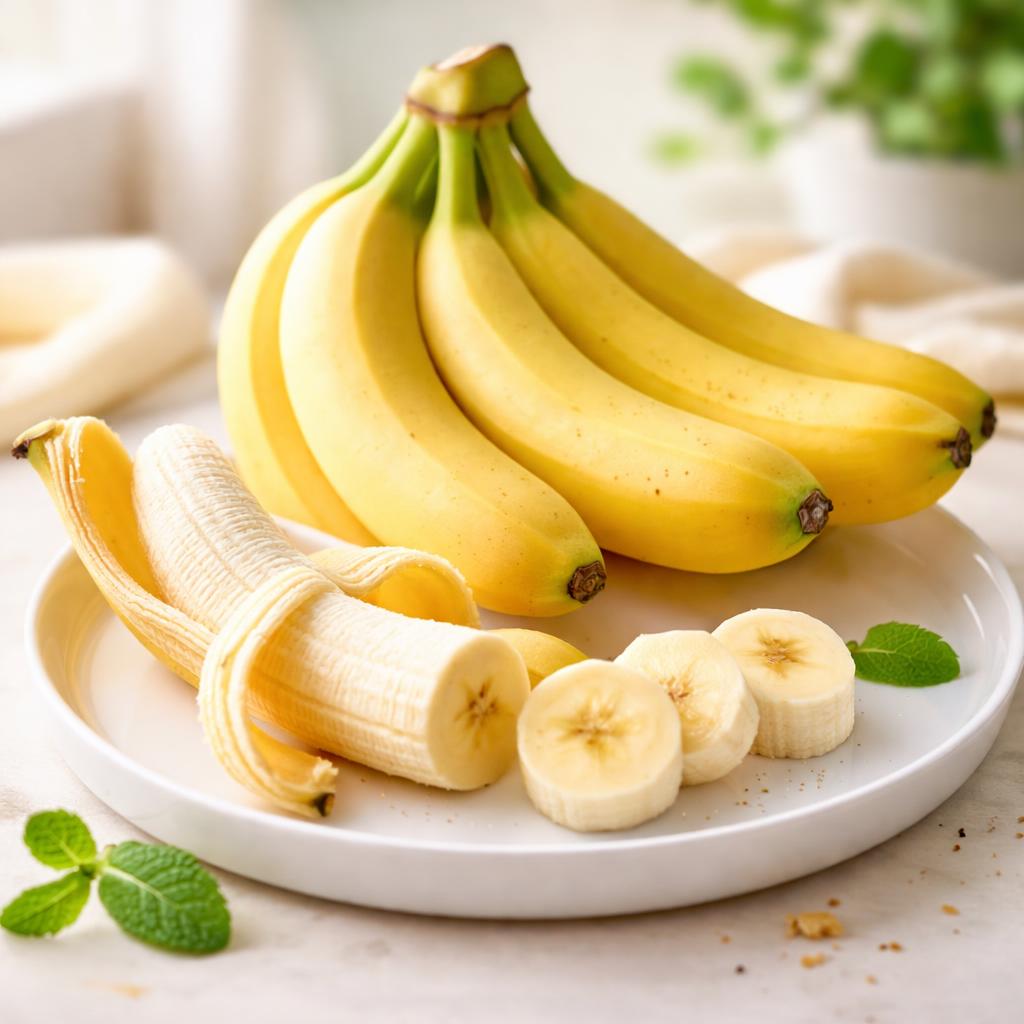
Banana
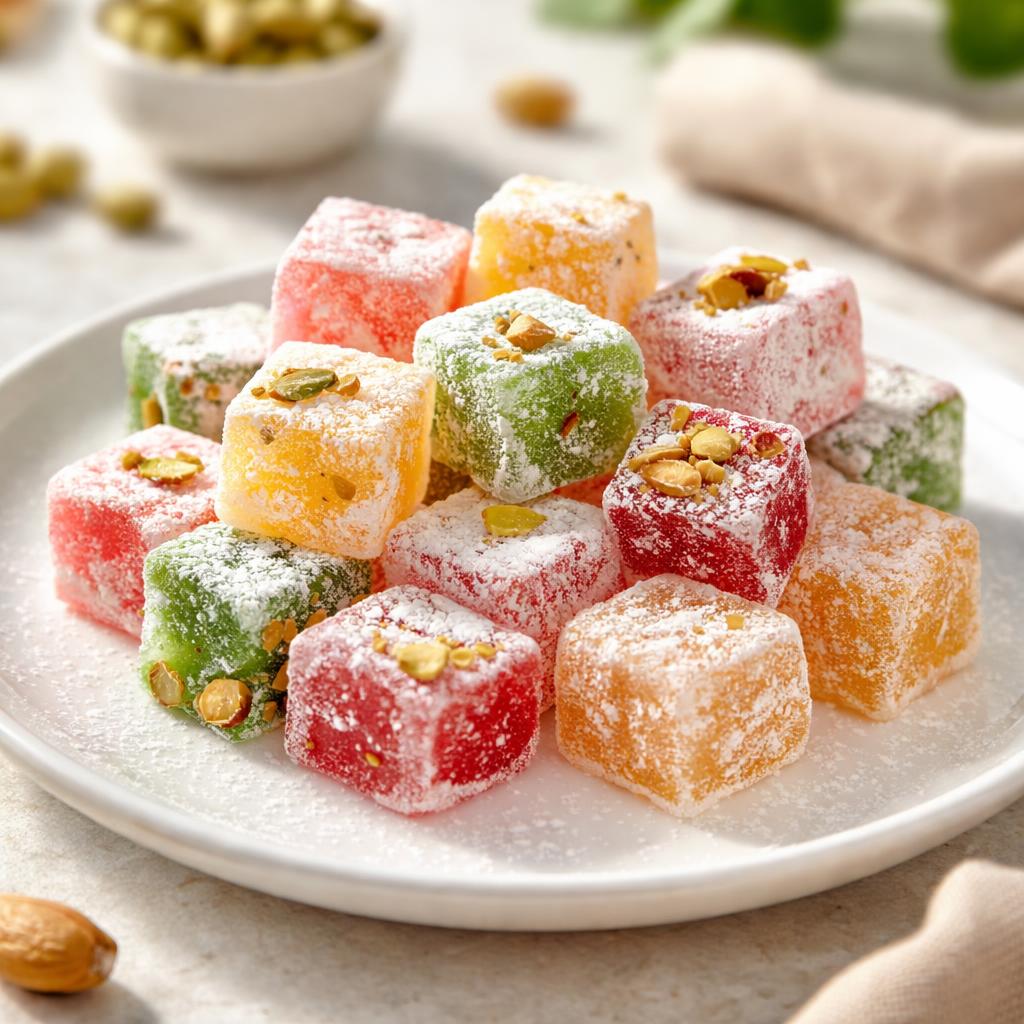
Turkish Delight
🎯 Quick Verdict
Bananas are a naturally nutrient-dense fruit with more fiber and fewer calories compared to Turkish delight, a sugar-heavy confection. Bananas are ideal for fueling workouts or as a healthy snack, while Turkish delight is best enjoyed in moderation as a treat due to its high sugar content and low nutritional density.

Smart Nutrition Tracking with SnapCalorie

📊 Nutritional Comparison
Macronutrients
| Nutrient | Food 1 | Food 2 | Winner |
|---|---|---|---|
| Calories | 105 | 200 | ✓ |
| Protein | 1g | 1g | − |
| Carbs | 27g | 50g | ✓ |
| Fat | 0.3g | 0g | ✓ |
| Fiber | 3g | 0g | ✓ |
Vitamins & Minerals
| Nutrient | Food 1 | Food 2 | Winner |
|---|---|---|---|
| Vitamin C | 10.3mg | 0mg | ✓ |
| Potassium | 422mg | 0mg | ✓ |
| Vitamin B6 | 0.4mg | 0mg | ✓ |
🏆 Category Winners
Protein
Both banana and Turkish delight contain the same negligible amount of protein.
Fiber
Bananas provide 3g of fiber per serving compared to none in Turkish delight.
Calories
Bananas have approximately 50% fewer calories per serving compared to Turkish delight.
Vitamins
Bananas are a rich source of vitamin C, potassium, and B6, whereas Turkish delight provides none.
🥗 Diet Compatibility
Keto
Food 1: Not Compatible
Food 2: Not Compatible
Both foods are high in carbs, unsuitable for keto diets.
Vegan
Food 1: Compatible
Food 2: Compatible
Both foods are vegan-friendly.
Gluten Free
Food 1: Compatible
Food 2: Check specific brand
Bananas are naturally gluten-free; Turkish delight may contain traces depending on preparation.
Paleo
Food 1: Compatible
Food 2: Not Compatible
Bananas fit paleo guidelines as a whole food, while Turkish delight is processed and sugar-heavy.
Low Carb
Food 1: Not Compatible
Food 2: Not Compatible
Both are relatively high in carbs, unsuited for low-carb diets.
💪 Health Benefits Comparison
Food 1 Benefits
- Rich in potassium for heart and muscle health
- Provides fiber for healthy digestion
- Contains vitamin C to support the immune system
- Provides natural energy from complex carbs
Food 2 Benefits
- Quick source of energy due to high sugar content
- Low in fat
- Potential mood-lifting effects as a sweet treat
✅ The Bottom Line
Bananas are the better choice for a nutrient-dense, low-calorie snack with added vitamins and fiber, perfect for energy sustenance or digestion aid. Turkish delight, while enjoyable as a treat, lacks significant nutritional benefits and should be consumed sparingly.
Choose Food 1 for: Healthy snacking, energy boost, post-workout recovery
Choose Food 2 for: Indulgent dessert, occasional treat


